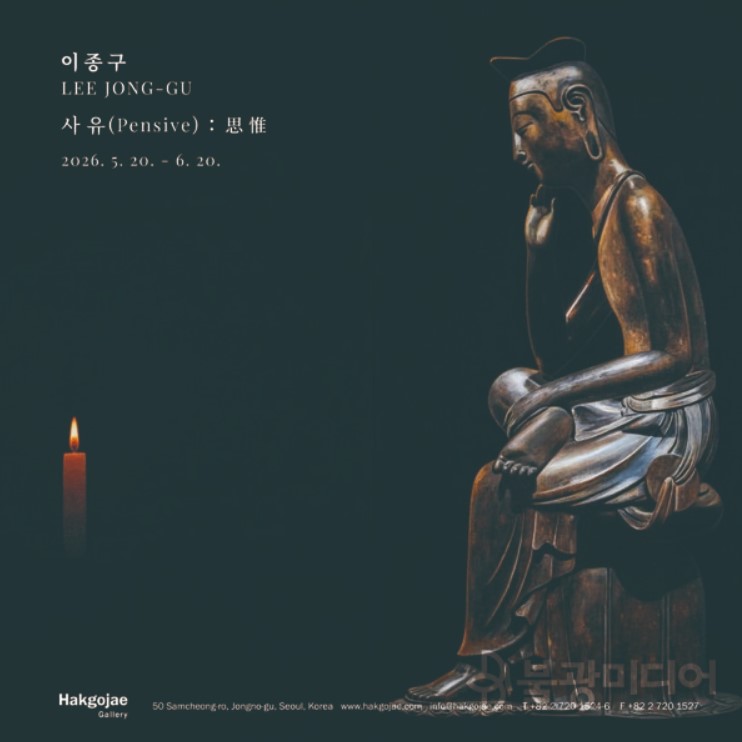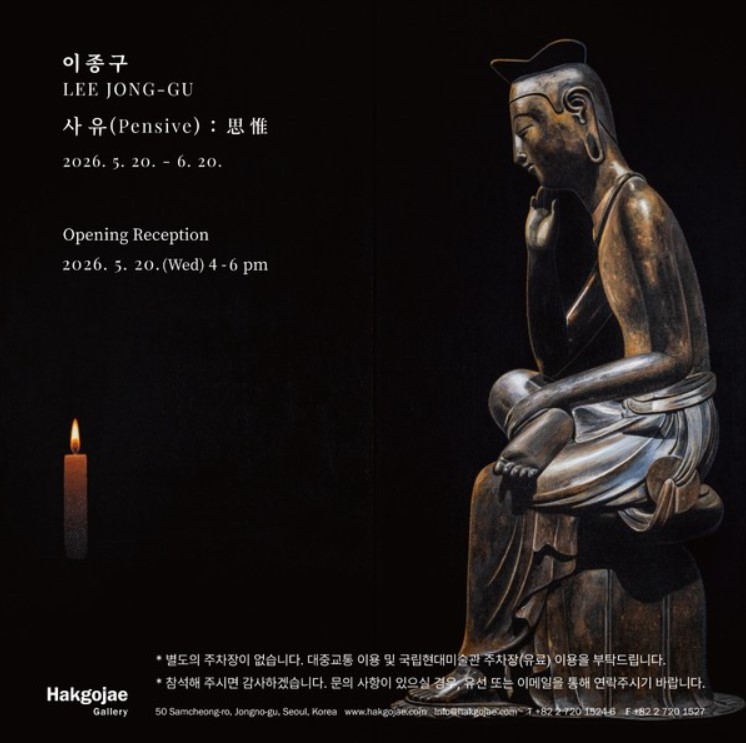
학고재는 2026년 5월
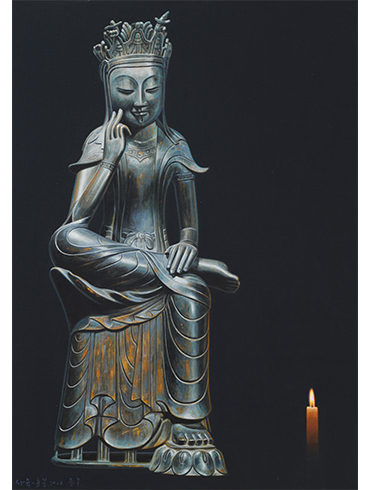
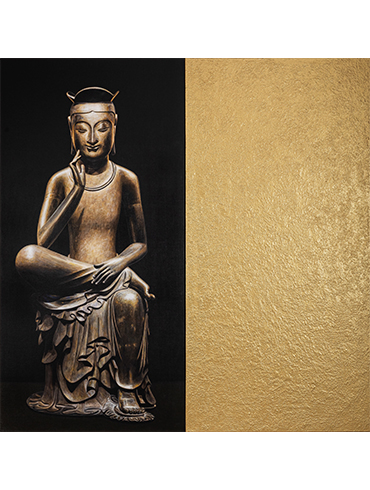
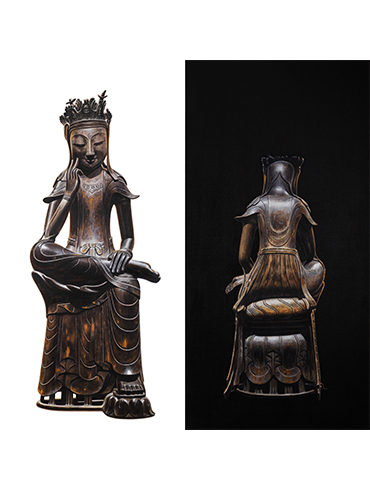
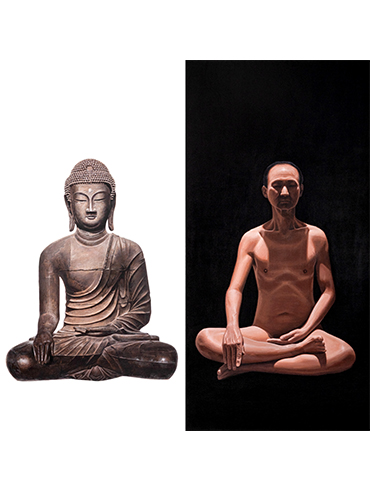
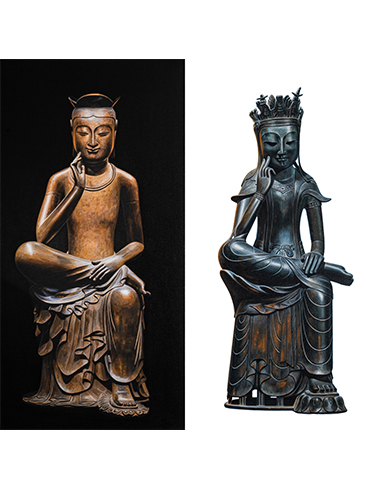
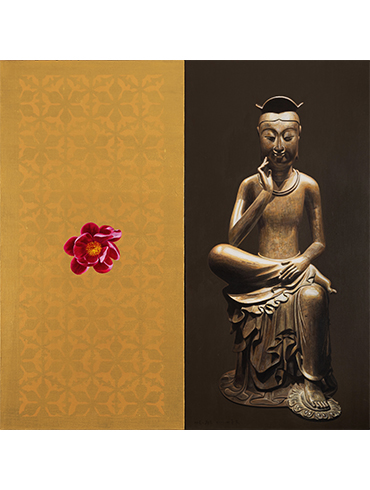
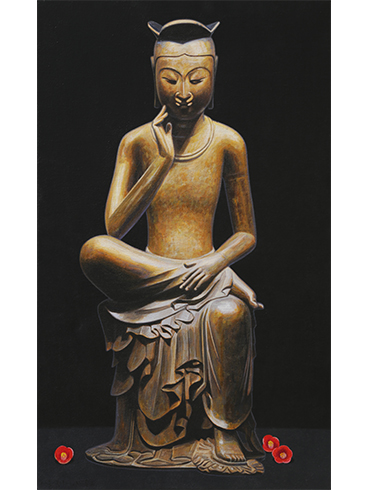
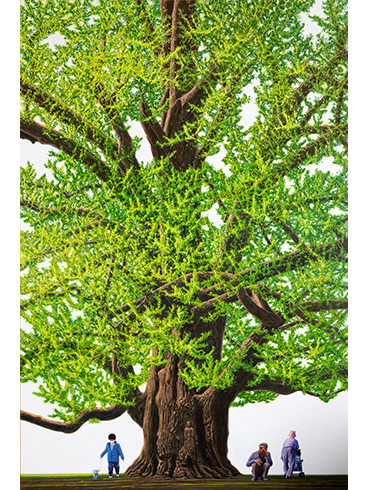
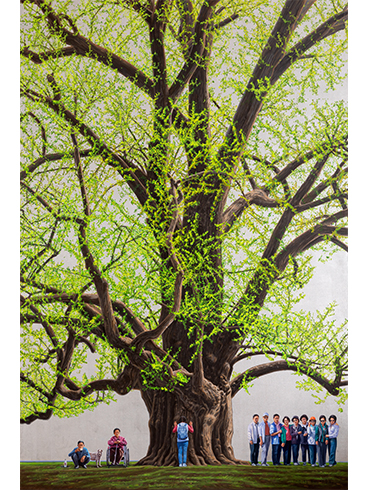
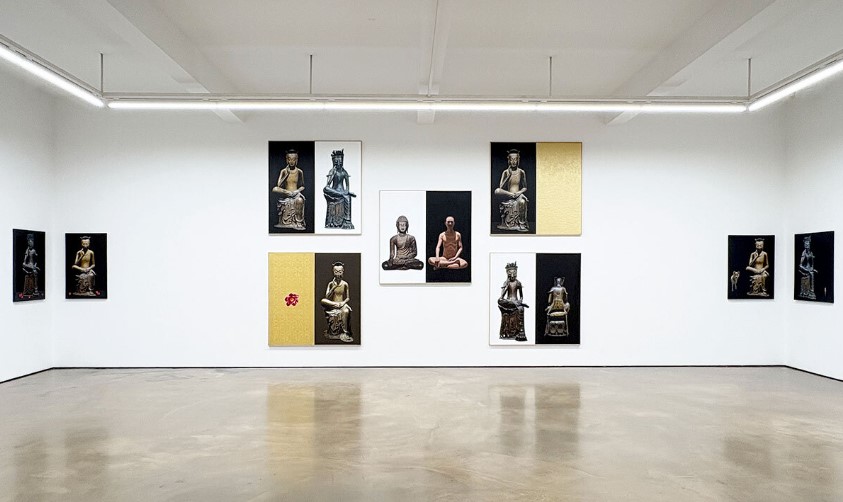
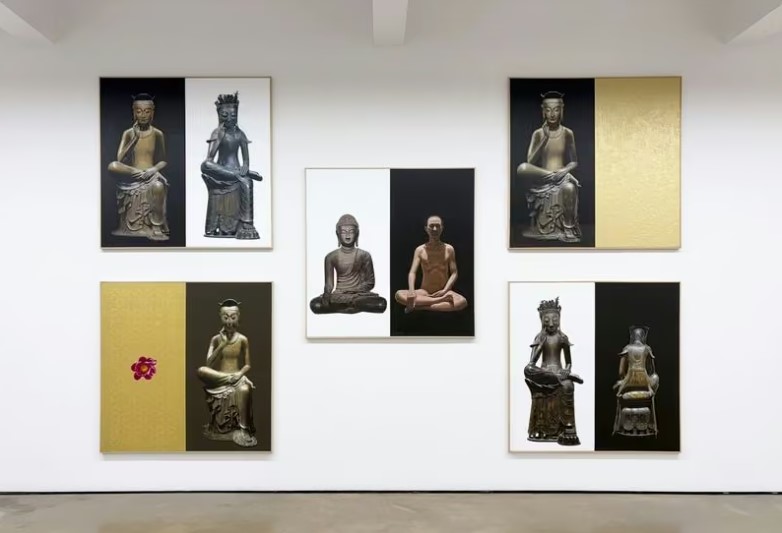
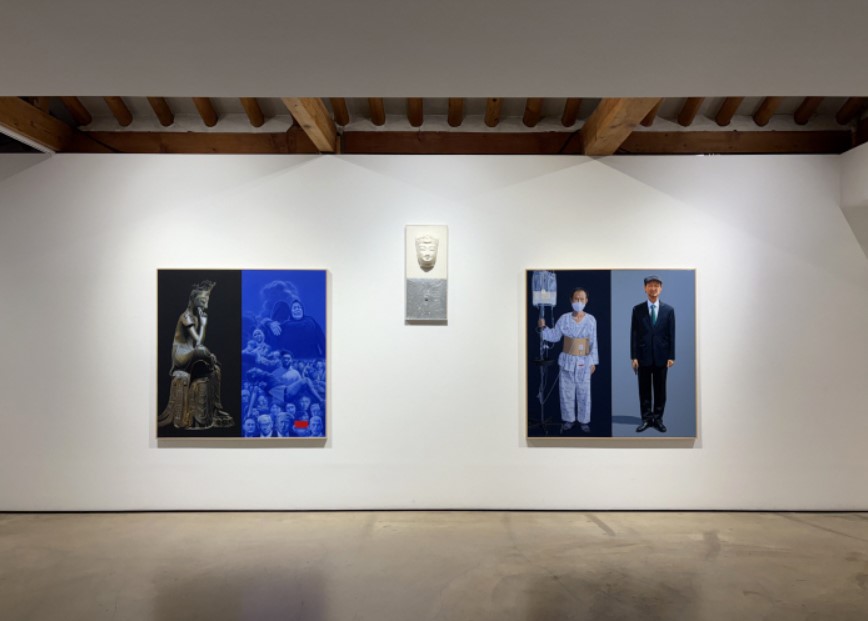
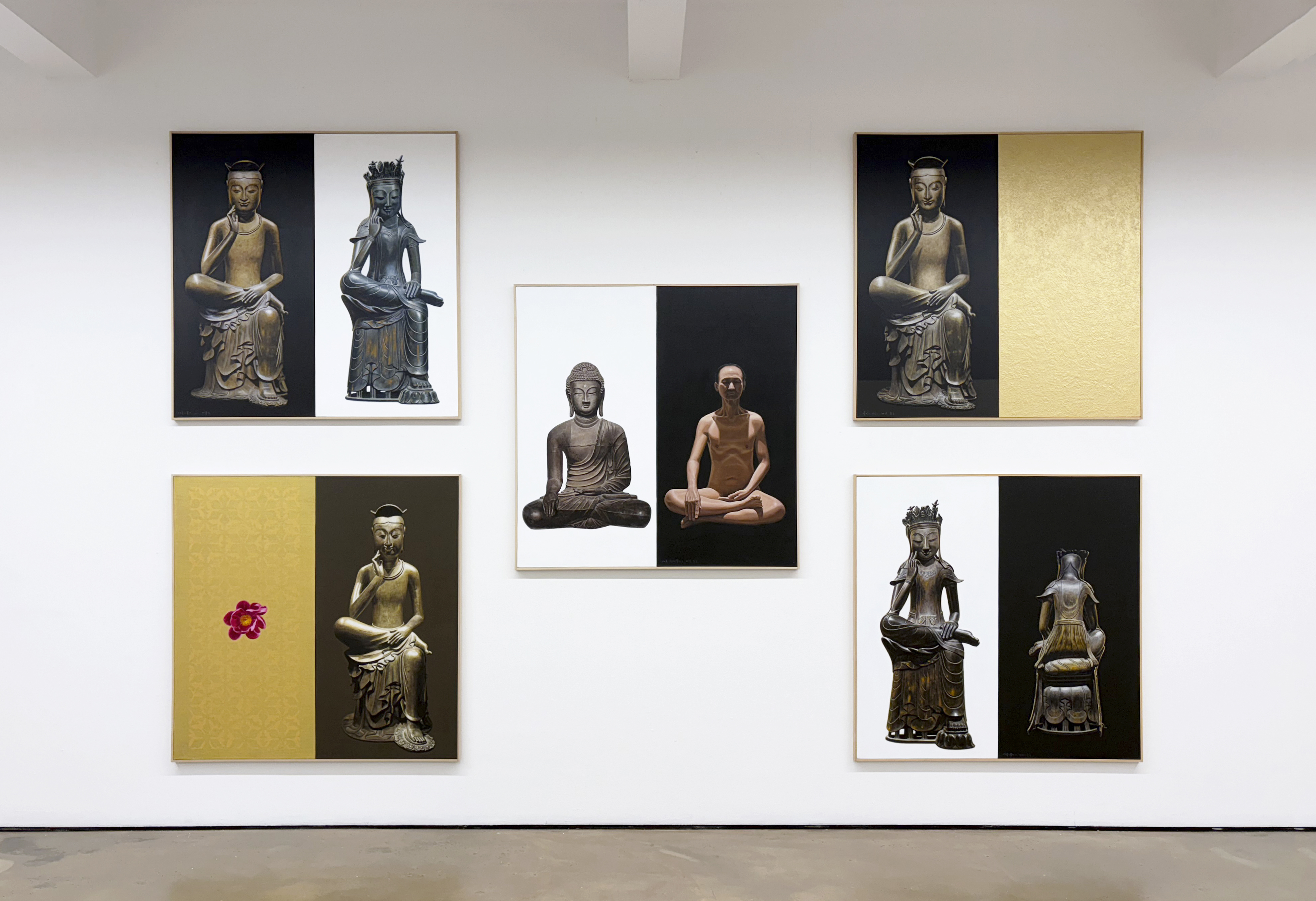
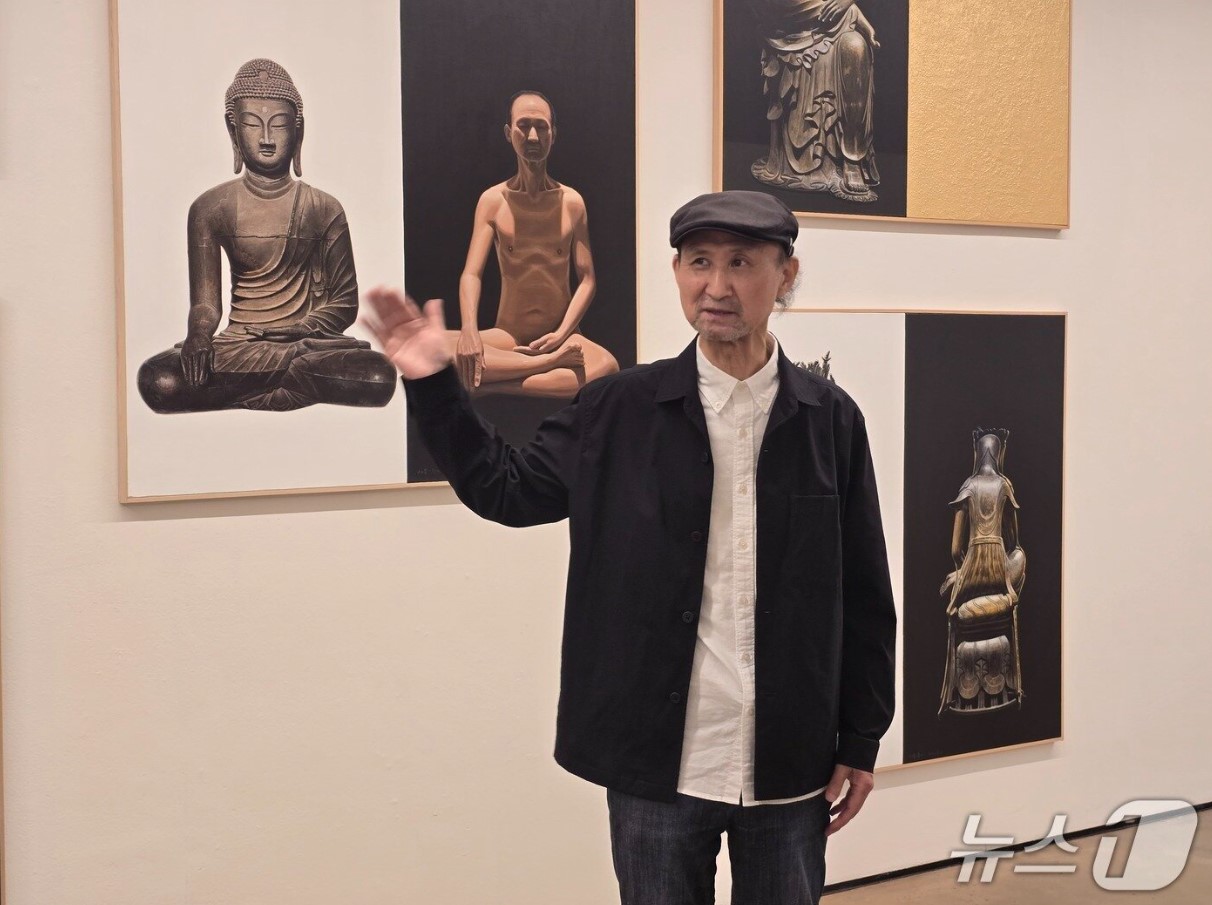
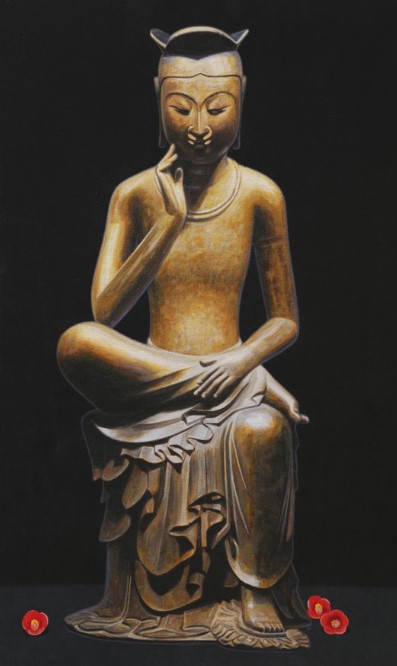
20일(수)부터 6월 20일(토)까지 이종구(b. 1954)의 개인전 《사유 : 思惟》를 연다. 이번 전시는 반가사유상의 형상을 축으로 삼아,
동시대의 현실과 그것을 인식하는 방식 사이의 팽팽한 긴장을 구축한다. 작가는 폐쇄된 세상 속에서 외부로 향하던 시선을 내면으로 돌려, 삶을 성찰하고
치유하는 ‘구도적 리얼리즘’을 제시한다. 1980년대 이후 천착해온 사회적 현실주의의 문제의식을 바탕으로, 인간 존재의 본질과 보편성을 탐구하여
작업의 지평을 확장시킨다. 사회적 의제를 넘어 생명과 평화의 영성으로 도달하려는 작가의 작품 세계를 집중적으로 조명한다.
이종구는 1980년대 민중미술 운동의 중심에서 농민과 농촌의 현실을 지속적으로 탐구해왔다. 특히 산업화와 도시화 그늘에 가려진 공동체의
실상을 정면으로 드러낸 정부미 쌀 포대 위에 그려진 농민의 초상은, 한국 사회의 구조적 모순을 시각화한 기념비적 작업으로 평가받고 있다. 그의
회화는 단순히 향토적 정서를 재현하는 데 그치지 않는다. 동시대의 사회적 사건들은 그의 화면 속에서 시대의 풍경으로 충실히 기록되었다. 그러나
팬데믹 시기에 겪은 단절과 폐쇄의 경험, 죽음에 대한 감각, 그리고 정년퇴임이라는 삶의 전환점을 맞닥뜨리며, 근원적이고 존재론적인 방향으로 나아가고
있다. 걸으며 몸으로 사유한 시간과 사찰 순례를 통한 침묵의 경험은 인간 존재와 생명의 문제를 새롭게 응시하는 계기가 되었다. 외부 현실로 향하던
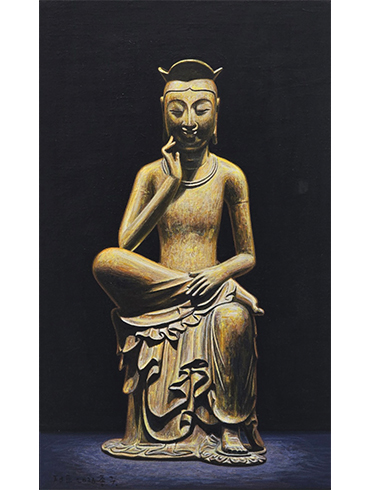
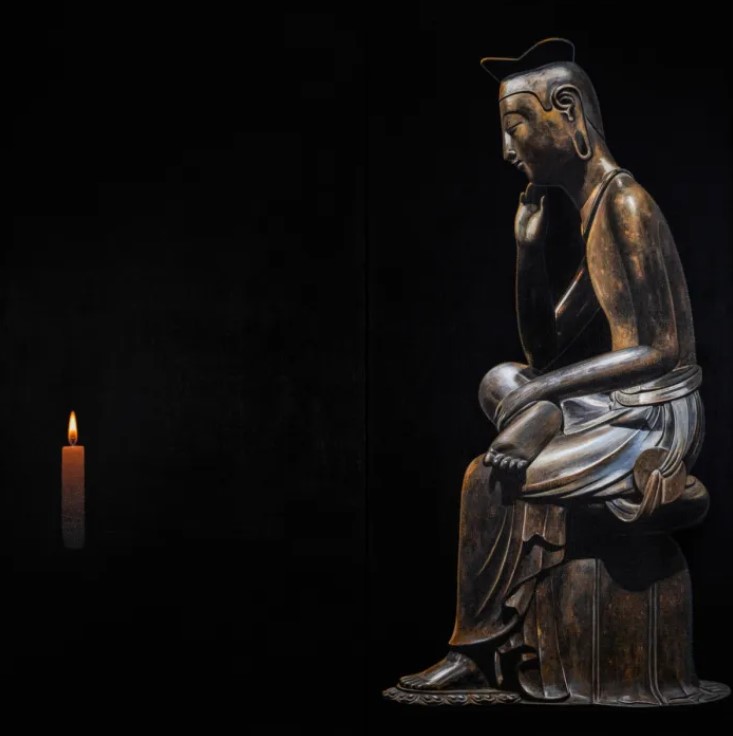
시선을 자기 존재와 내면의 시간으로 돌리게 한 것이다. 그 무렵 국립중앙박물관 ‘사유의 방’에서 마주한 반가사유상(半跏思惟像)으로부터 종교적 상징을
넘어, 깊은 고요 속에서 세계를 응시하는 존재의 태도를 발견한다.
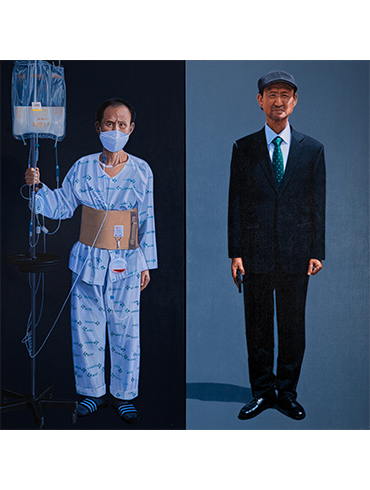
이번 전시의 핵심인 ‘몸의 사유’는 관념적 명상에 머물지 않는다. 병과 노화, 걷기와 호흡 등 신체에 새겨지는 실존의 과정을 가감
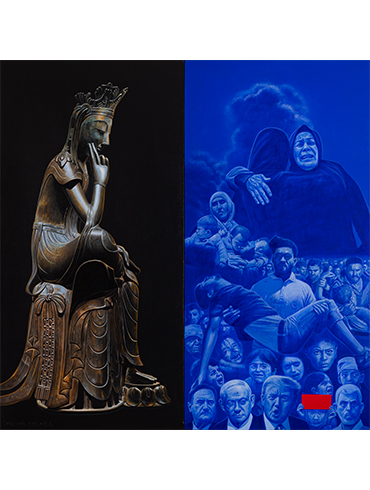
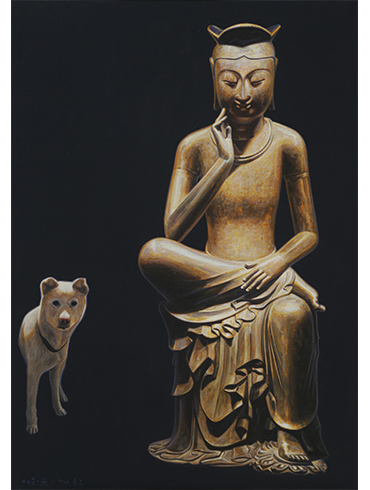
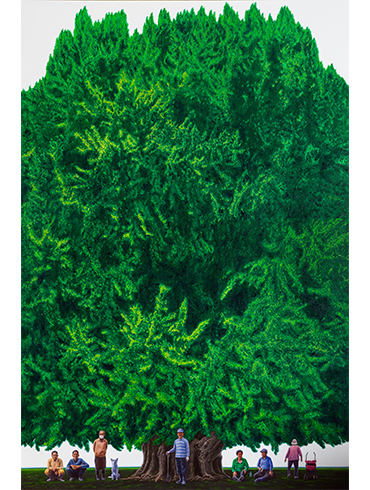
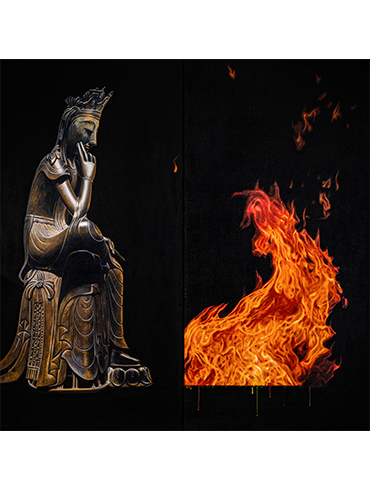
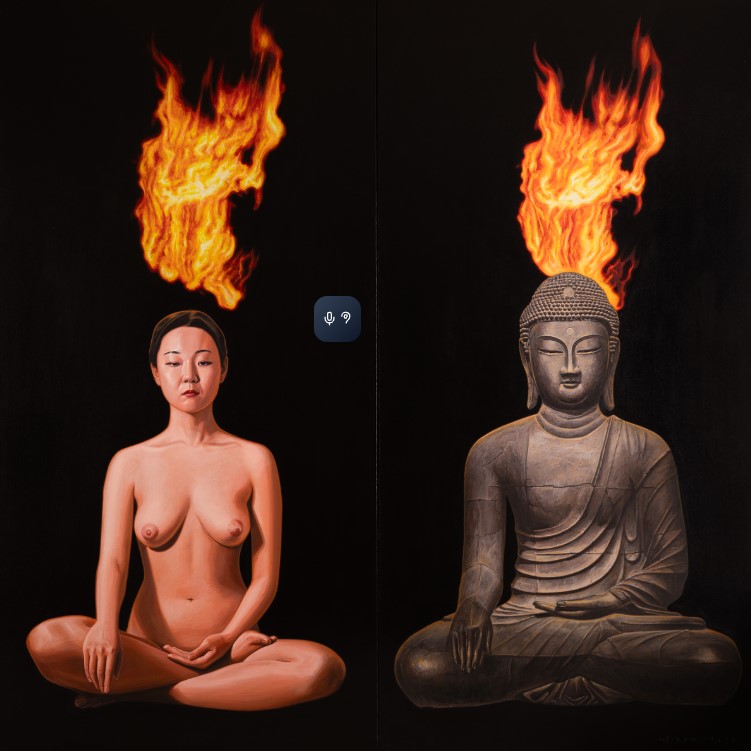
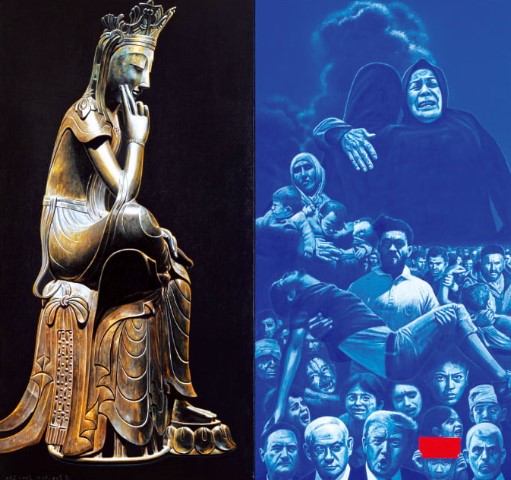
없이 투영한다. 작가는 화면 안에 반가사유상의 형상과 세속의 풍경을 공존시킴으로써, 모든 현상을 이분법적으로 나누지 않는 불교의 ‘불이(不二)’
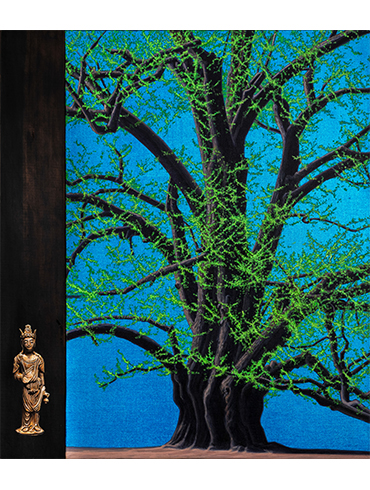
사상을 회화적으로 구현한다. 이는 삶과 죽음, 고통과 평화, 인간과 자연이 별개의 존재가 아니라 서로 의존하며 끊임없이 순환한다는 통찰을 담고
있다.
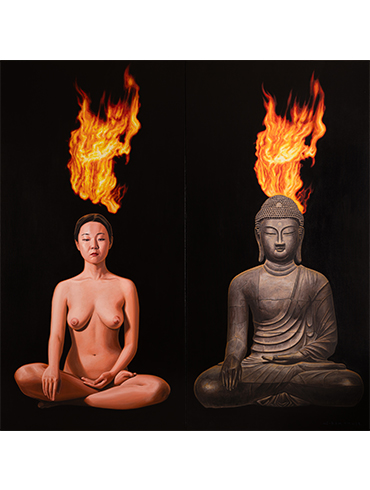
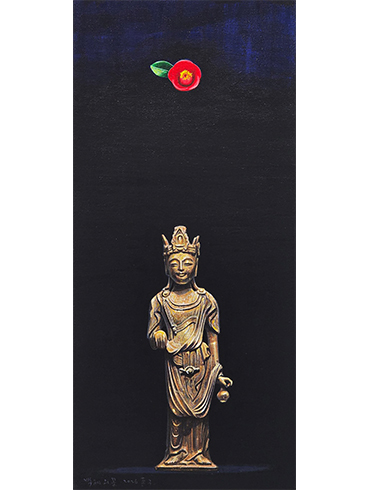
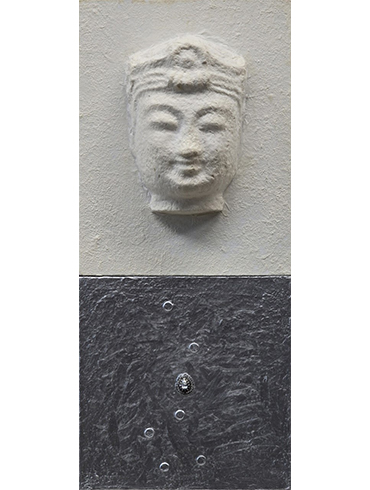
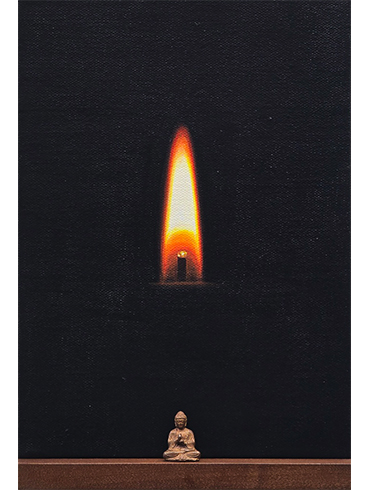
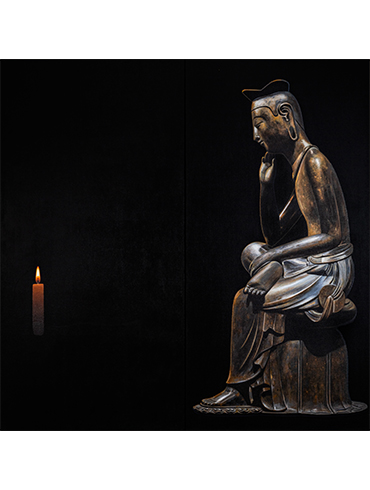
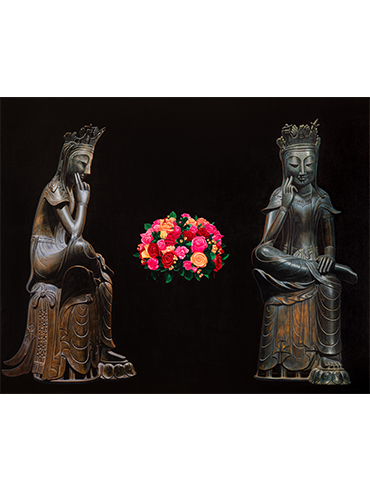
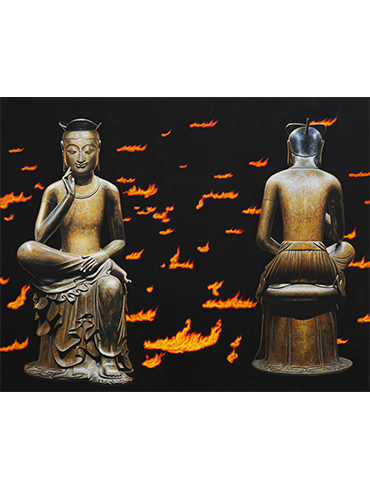
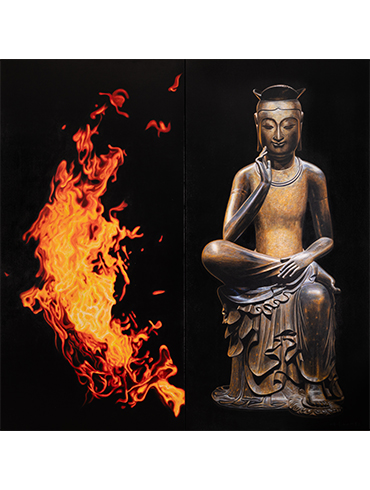
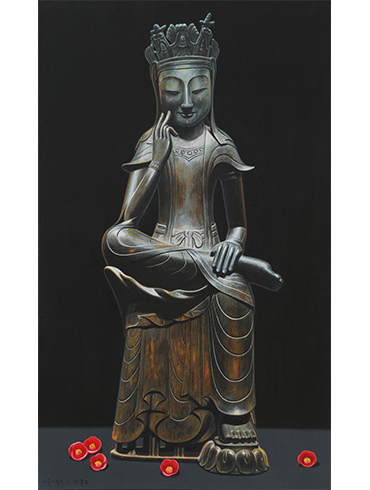
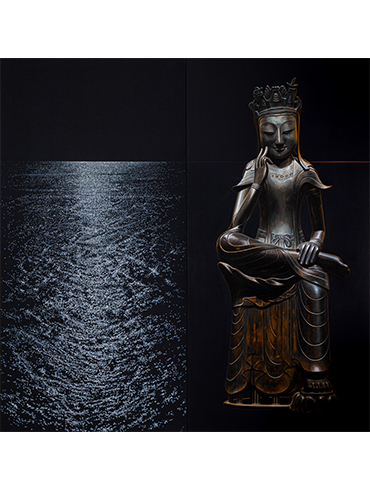
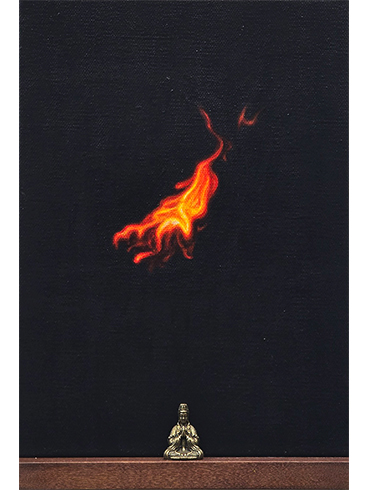
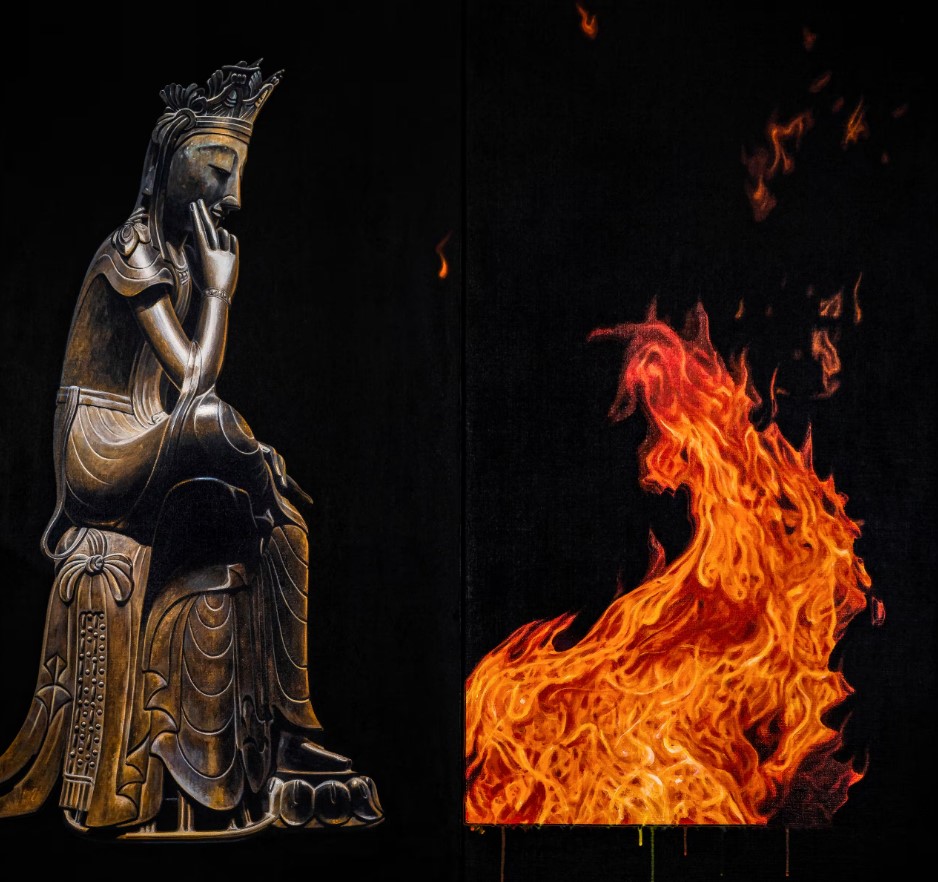
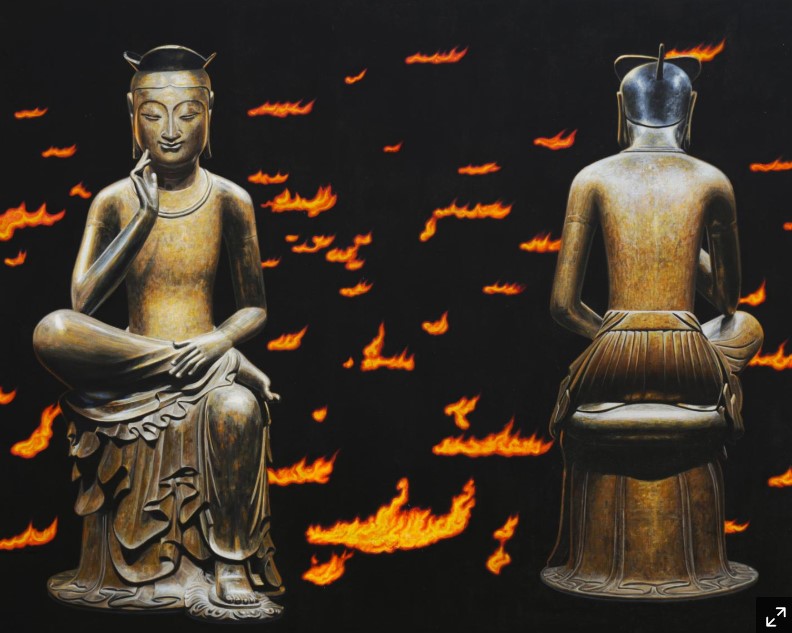
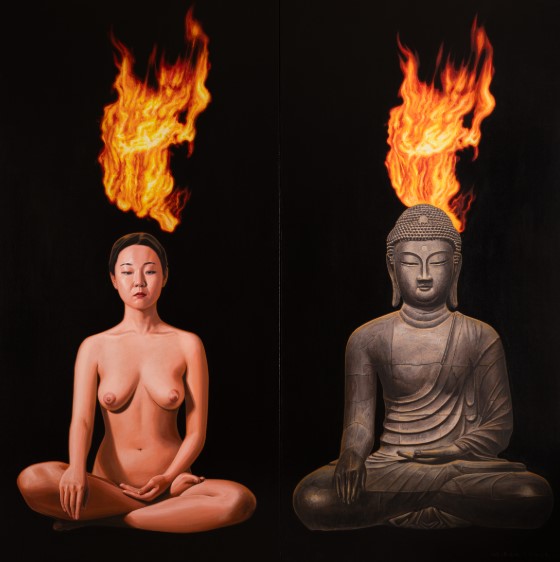
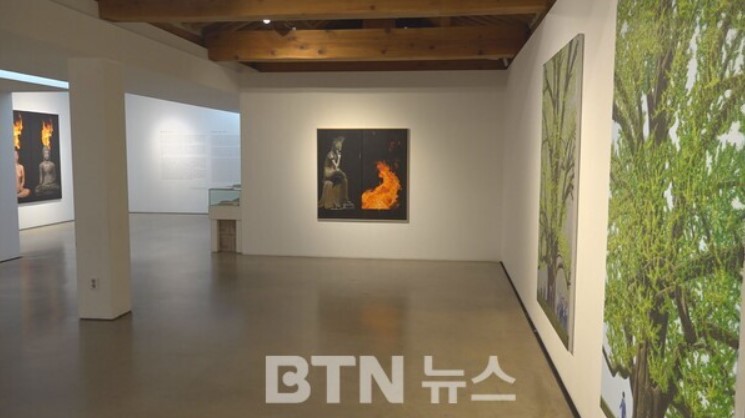
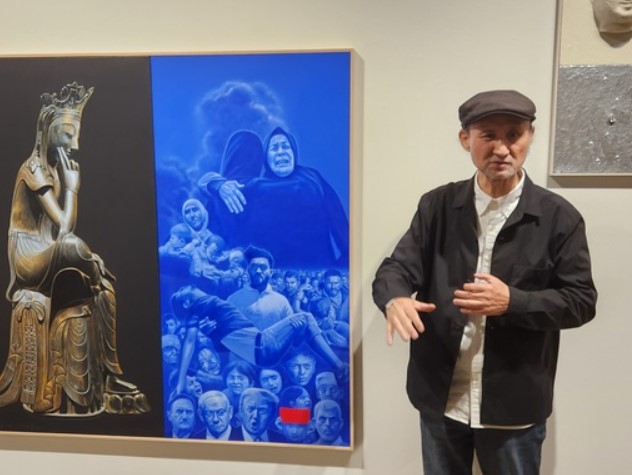
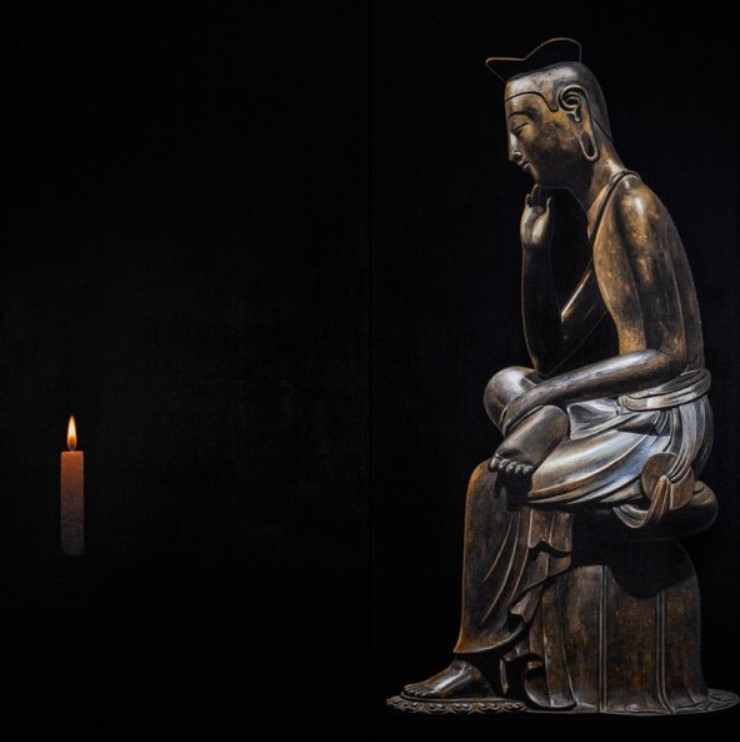
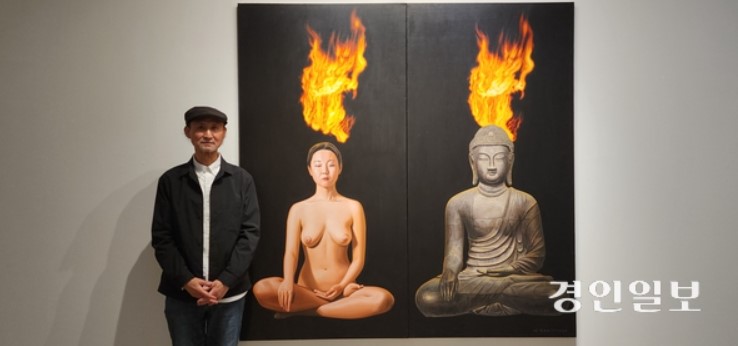
화면 구성 역시 이러한 철학적 태도를 뒷받침한다. 깊은 선정에 든 반가사유상 곁으로 물결과 불꽃, 병든 육체와 군중의 형상을 병치하여
시각적 긴장감을 만들어낸다. 여기서 반가사유상은 초월적 존재를 넘어, 혼란한 현실을 묵묵히 관조하는 ‘사유의 시선’ 자체가 된다. 숭고한 불상과
즉물적인 신체를 나란히 놓는 방식을 통해, 성(聖)과 속(俗), 정신과 육체가 결코 분리될 수 없는 하나의 실체임을 역설한다.
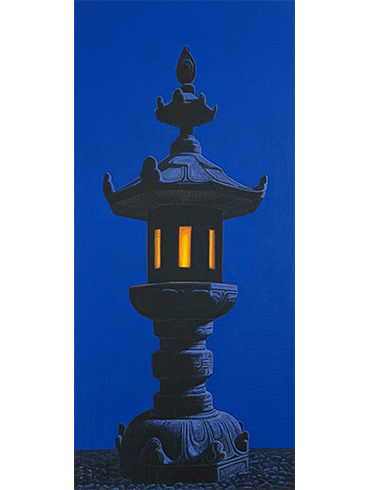
<무무명>, <불이>, <예토>, <항마촉지>와 같은 작품제목들은 불교적 개념을 경유하지만, 결코 특정 교리의 재현에 머물지 않는다. 전쟁과 재난, 혐오와 갈등이 산재한 동시대의 풍경 위로 호출하며, 혼돈의 시대 속 인간의 실존적 방식을 질문한다. 구체적인 사건을 지시하는 대신 시대의 불안과 폭력을 은유적으로 환기하는 방식이다. 여기서 작가는 감정적 과잉이나 극적인 서사를 배제한 채, 일정한 거리감과 침묵을 유지한다. 이러한 절제된 시선은 각자의 고요한 사유 속에서 작품과 마주하게 한다.
《사유 : 思惟》는 사회적 현실주의의 계보를 이어온 이종구의 회화가 인간 존재의 본질적 문제로 확장되는 지점을 조명한다. 초기 작업이
시대적 모순을 고발하는 집요한 기록이었다면, 최근 작업은 생명의 근원을 향한 깊은 질문으로 그 무게중심을 옮겨간다. 이제 그의 회화는 사건의 표면을
재현하는 단계를 넘어, 인간이 세계를 감각하고 기억하는 방식 자체를 탐구하는 사유의 장(場)으로 진입한다. 관객은 반가사유상의 침묵 어린 시선
아래 육체의 유한성과 흔적, 명멸하는 빛과 어둠이 교차하는 풍경을 마주한다. 그 긴장된 거리감 속에서 작가는 우리에게 본질적인 질문을 던진다.
지금 우리는 무엇을 목도하고 있으며, 어떤 세계를 살아가고 있는가.
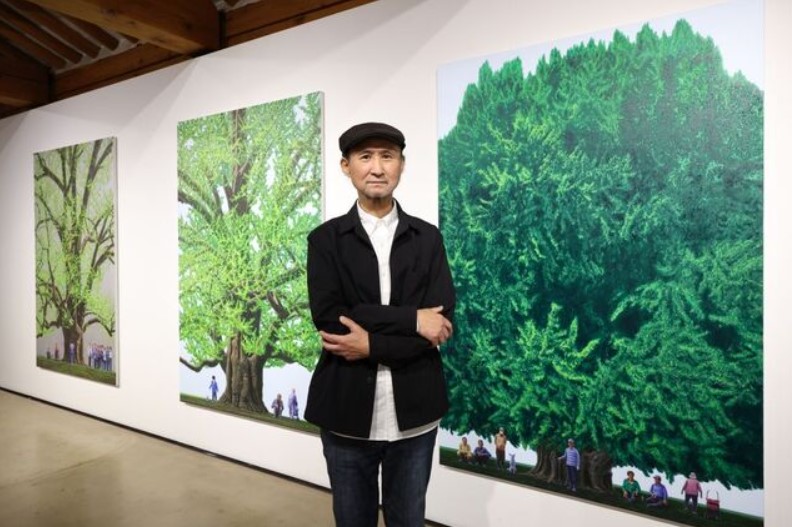
이종구(b. 1954)는 한국 현대미술사에서 사회적 리얼리즘의 토대를 구축하며 시대의 모순을 집요하게 추적해왔다. 1980년대 민중미술의
흐름 속에서 정부미 쌀부대 위에 농민의 초상을 그려 넣음으로써, 농촌을 단순한 향토적 서정의 대상이 아닌 사회적·정치적 발화가 일어나는 비판적
현장으로 전복시켰다. 그의 회화는 자본주의 체제 아래 소외된 노동과 붕괴하는 공동체의 조건을 정면으로 응시한다. 화면에 새겨진 농민의 주름과 투박한
신체는 근대화의 그늘을 온몸으로 관통해온 한국 현대사의 흔적을 가시화한 결과물이다.
최근 작가는 이러한 비판적 정신을 동시대적 인류애와 연대로 확장하며, 생태와 생명성의 담론으로 시선을 넓히고 있다. 인간과 대지, 생산과
소멸의 순환 고리를 사유하는 그의 행보는 생명의 존엄이 경시되는 현대 사회에 대한 또 다른 형태의 성찰이다. 결국 이종구의 작업은 “미술이 현실과
윤리적으로 관계 맺으며, 존재의 존엄을 증명할 수 있는가”라는 치열한 응답으로 수렴된다.
이종구는 충청남도 서산 출생으로 중앙대학교 회화과를 졸업하고, 인하대학교 미술교육전공 석사 학위를 받았다. 이후 중앙대학교 서양화 전공
교수 역임, 인천문화재단 대표이사를 역임했다. 《사유 : 思惟》(2026,
학고재, 서울), 《광장_봄이 오다》(2018, 학고재, 서울), 《우현예술상 수상기념전》(2010, 인천아트플랫폼, 인천), 《올해의 작가》(2005,
국립현대미술관, 과천) 등에서 개인전을 가졌다. 주요 단체전으로 《기술의 저변:경계에 선 장면들》(2026, 서울시립미술관, 서울), 《땅을 딛고
바람을 넘어, 충남미술관 프로젝트》(2025, 당진문예의전당, 당진), 《한국미술의 계보 LINEAGES_Korean at The Met》(2024,
메트로폴리탄미술관, 뉴욕, 미국), 《바람보다 먼저》(2021, 수원시립미술관, 수원), 《광장》(2020, 국립현대미술관, 과천),《4・3 70주년 동아시아 평화인권: 침묵에서
외침으로》(2018, 제주4・3평화기념관, 제주), 《키워드 한국미술 2017: 광장예술-횃불에서 촛불로》(2017, 제주도립미술관, 제주),
《광복 70년 위대한 흐름 "소란스러운, 뜨거운, 넘치는"》(2015, 국립현대미술관, 서울) 등이 있으며, 가나미술상, 인천문화재단 우현상, 중앙미술대전 장려상 및 특선을 수상한 바 있다. 또한, 국립현대미술관, 서울시립미술관, 대전시립미술관,
전북도립미술관, 제주도립미술관 등 다수의 주요 공공기관에서 작품을 소장하고 있다.