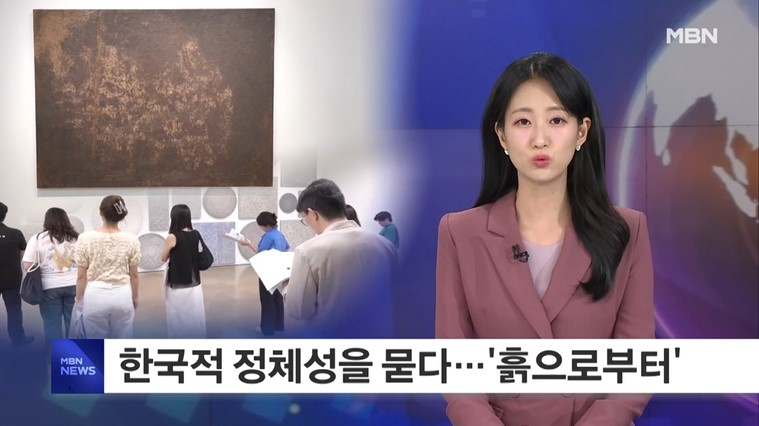

“What Does It Mean to Be Korean?” This enduring question has continually resonated through the currents of globalisation, striking at the very layers of our existence. In an era when cultural creations rooted in Korea are spreading worldwide and hybrid identities are increasingly recognised, why does this age-old enquiry remain so vital? How should we engage with tradition and history to define Korean identity?
In today’s hyper-connected society, reflections on identity can no longer be reached through mere logical analysis or comparisons of styles alone. A more fundamental and expansive contemplation—one that transcends the boundaries of old and new, East and West—is required.
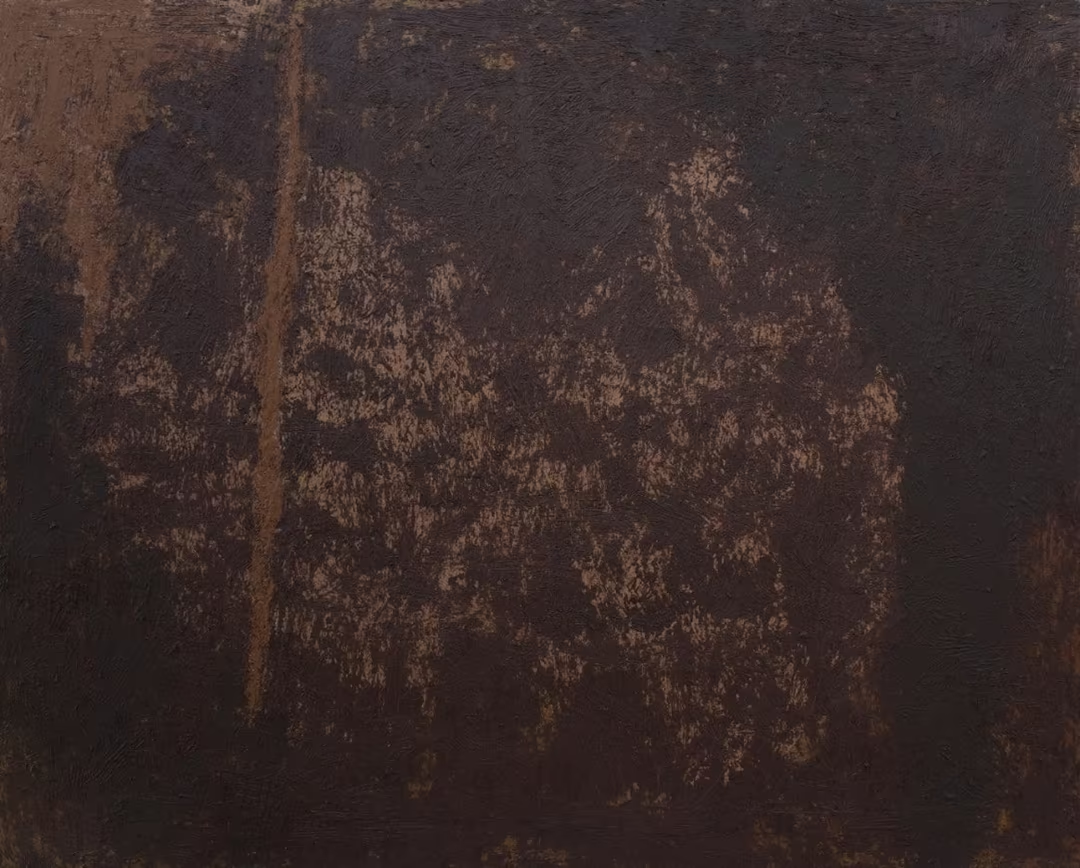
French philosopher Gaston Bachelard (1884–1962) critiqued the dominance of modern rationalism and Cartesian reason, emphasising instead a material imagination rooted in the four classical elements—water, fire, air, and earth. He proposed that these fundamental substances serve as a gateway to a pre-conceptual, poetic way of thinking that precedes conceptualisation. This exhibition explores Korean identity through this material imagination, with a particular focus on the elemental substance of earth.
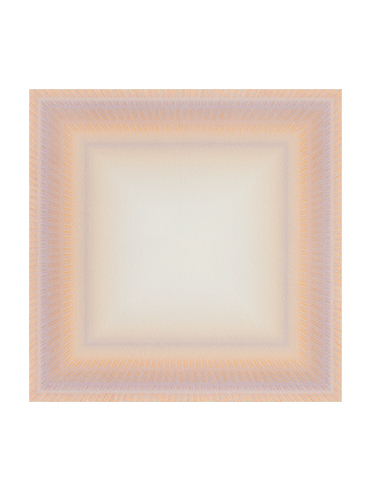
Earth is the sediment of universal human memory. It holds the pulse of nature’s cyclical heartbeat, embracing both the beginning and end of life. Though composed of mere particles, when bound together, earth becomes objects; when layered, it constructs architecture—enabling the advancement of civilisation. Earth hardens under fire and softens with water, embodying a resilience that allows for constant renewal, yet it can also remain quietly still. As a repository of traces and voids, permanence and wandering, earth transcends time and space to stand as an ontological symbol spanning cultures across East and West.
The second hexagram, Kun (坤卦), of the 64 hexagrams in the Chinese classic I Ching (周易), symbolises the energy of the earth. It expresses that the receptive and embracing spirit of earth points towards the path of truth. In the West, numerous Christian scriptures metaphorically depict humans as formed from earth, framing it as both the origin and final return of existence.
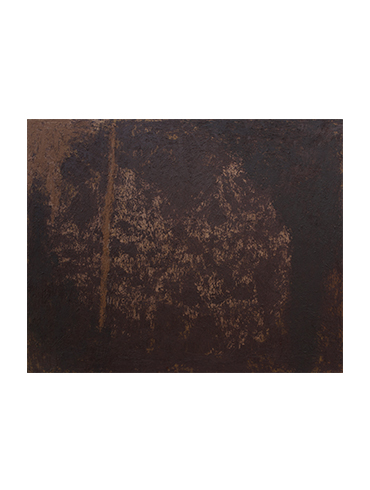
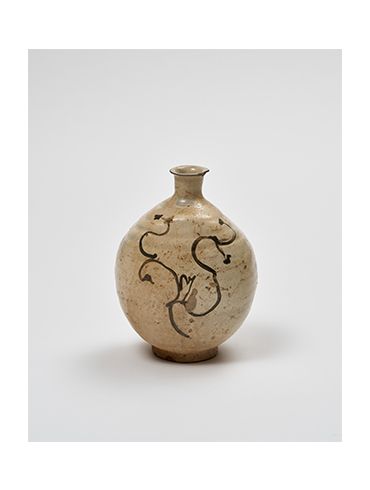
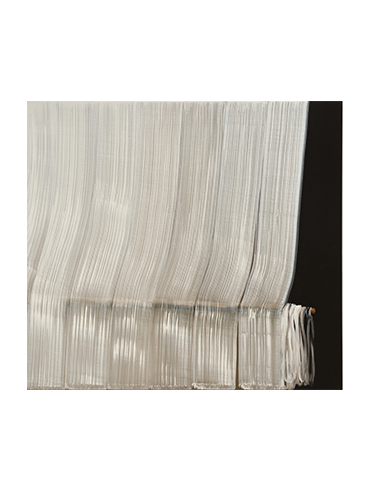
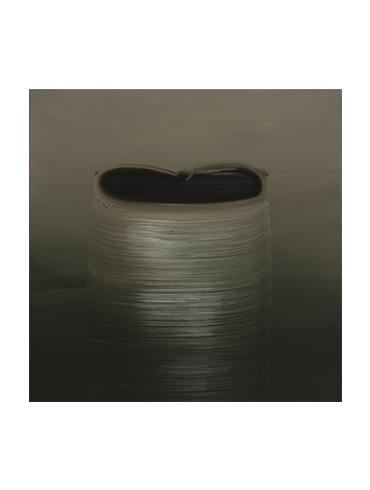
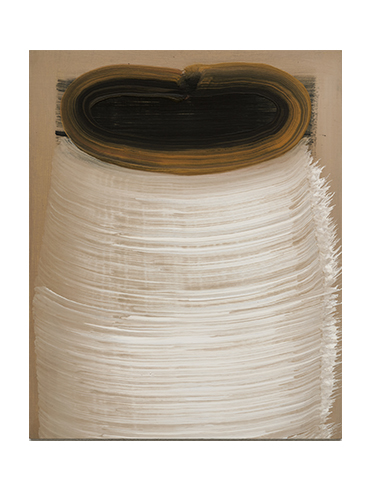
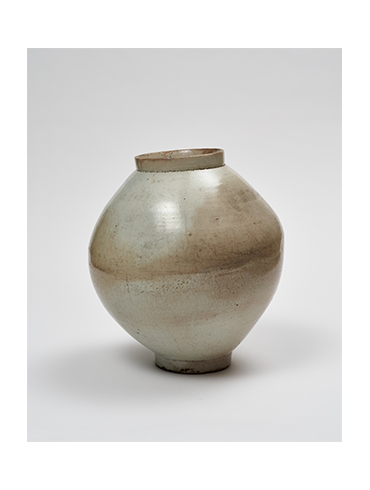
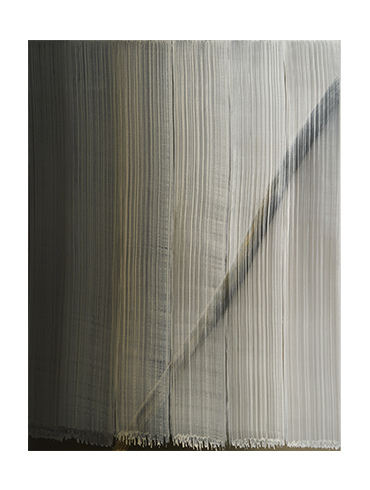
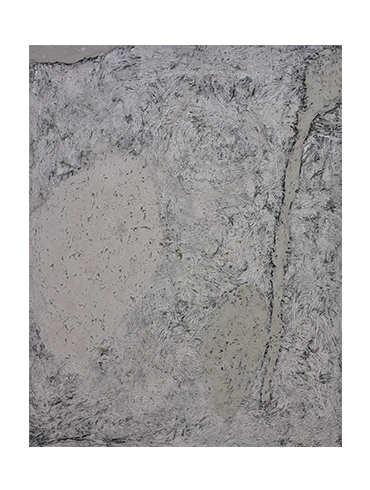
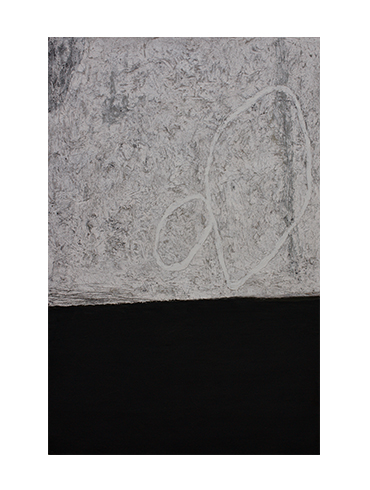
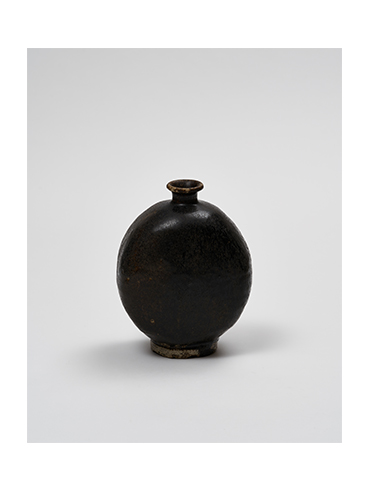
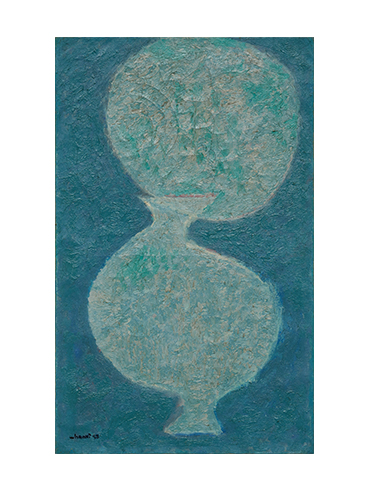
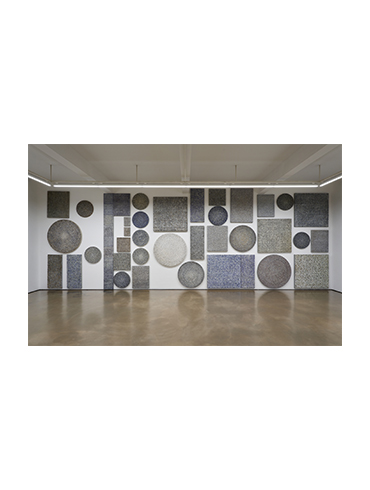
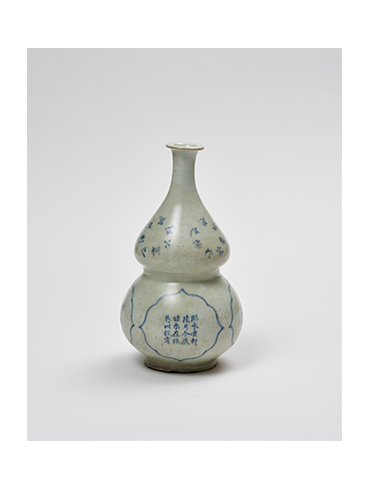
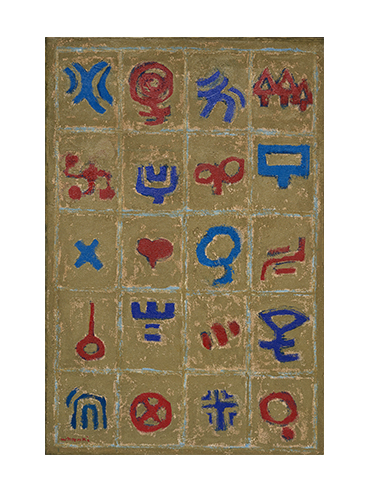
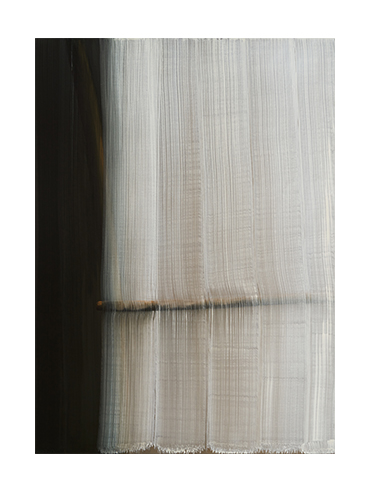
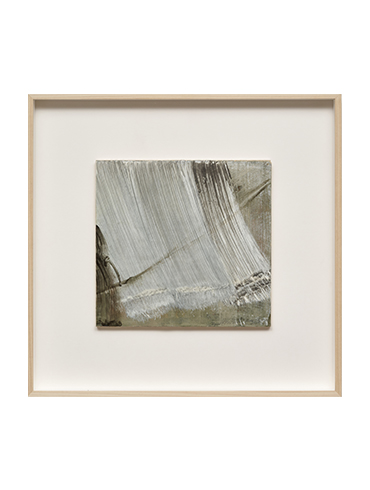
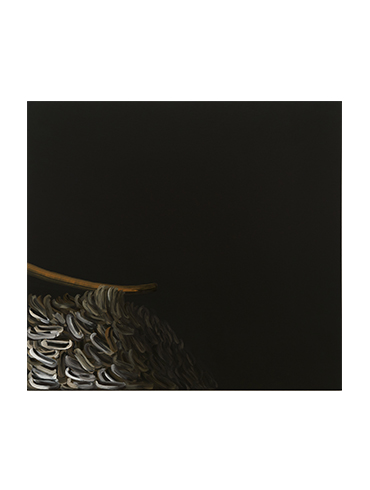
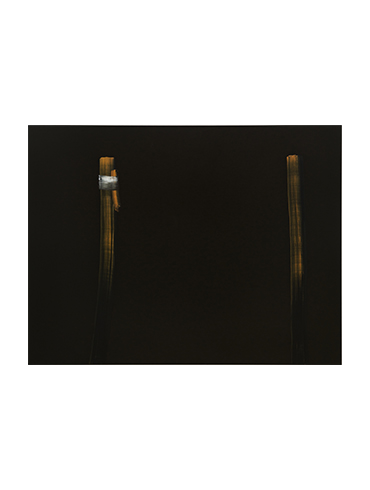
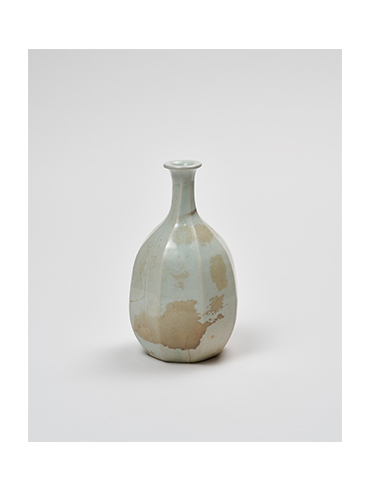
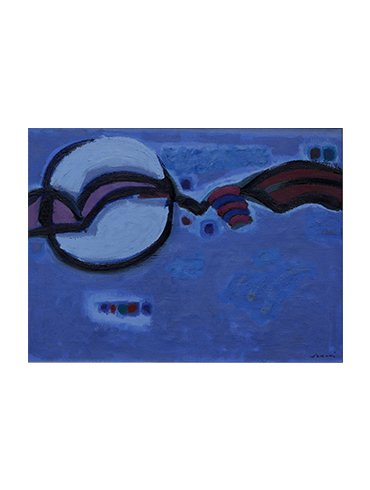
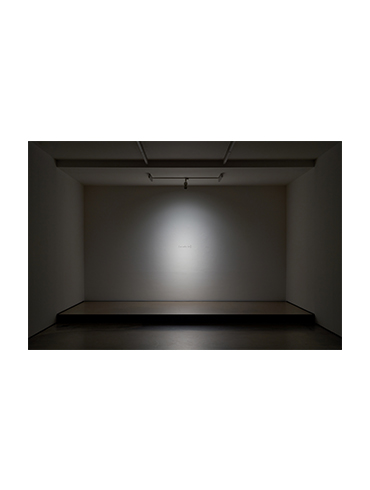
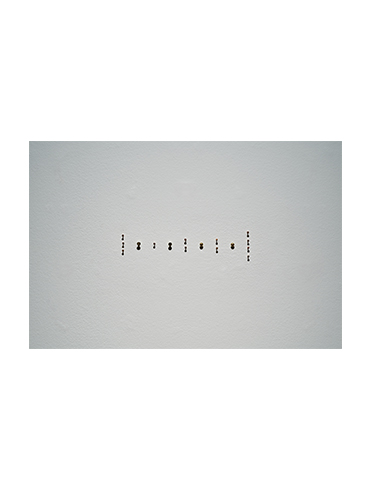
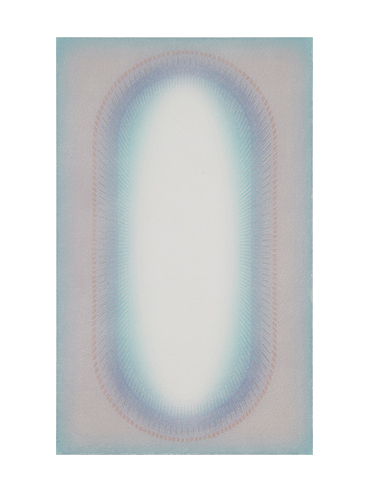
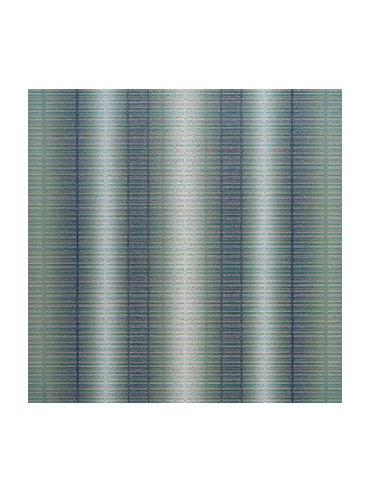
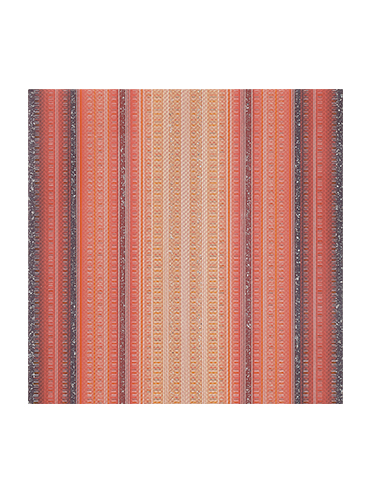
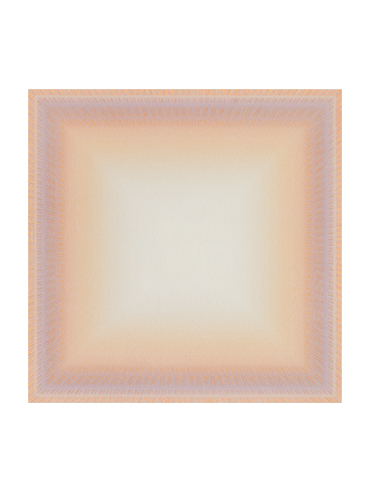
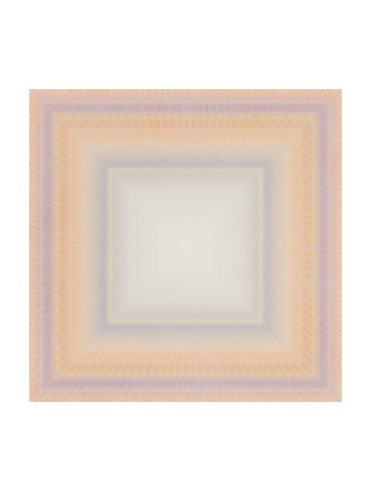
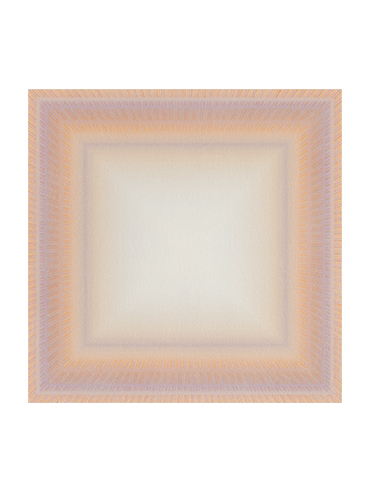
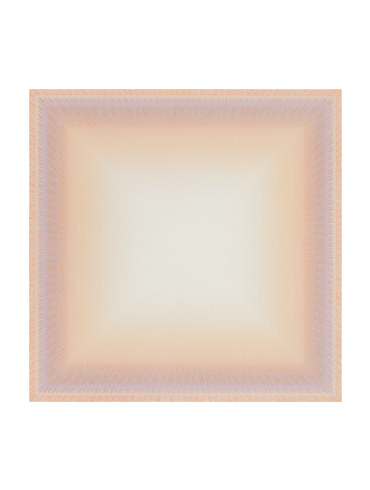
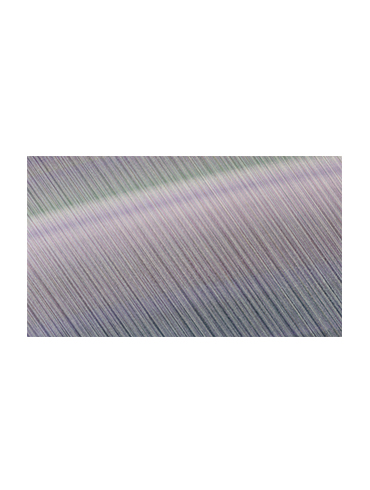
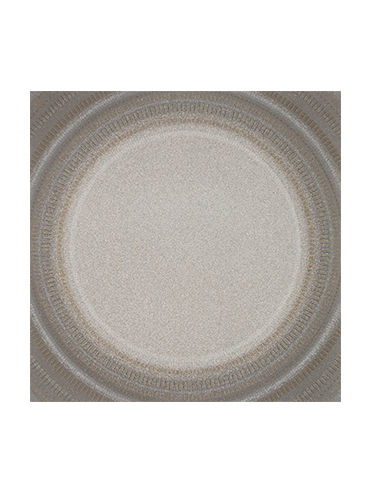
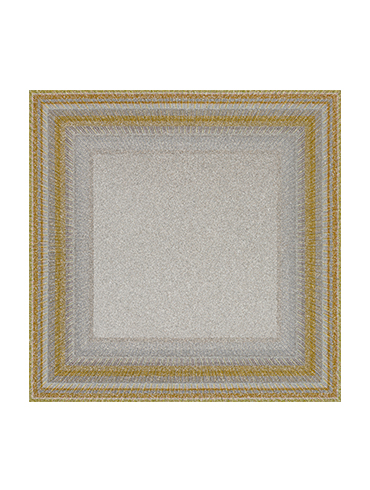
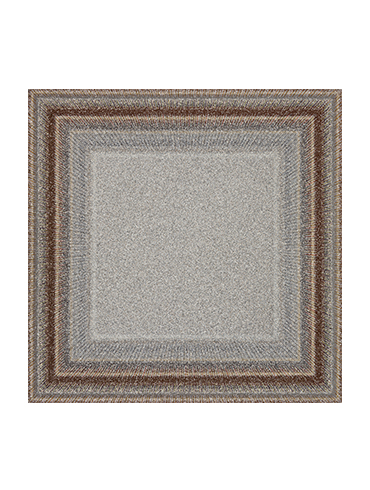
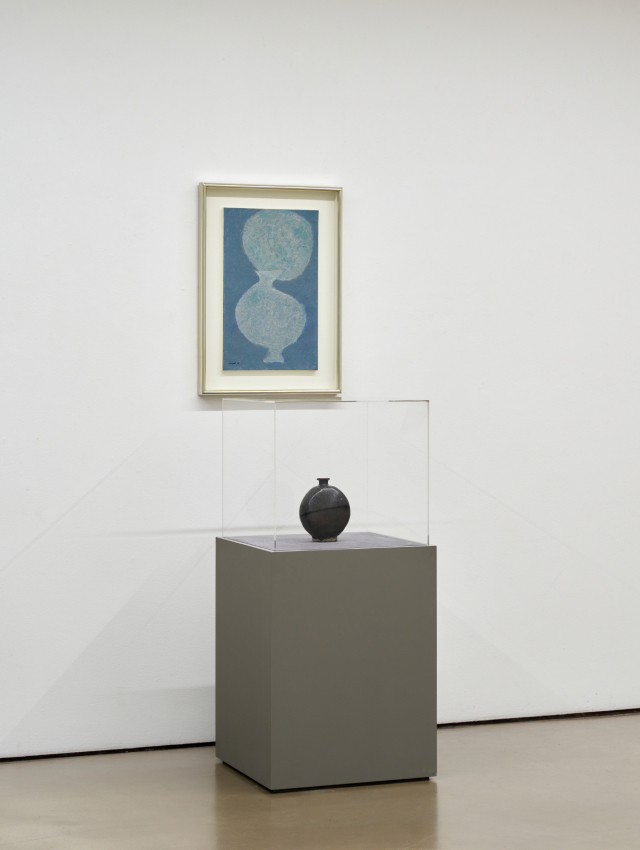
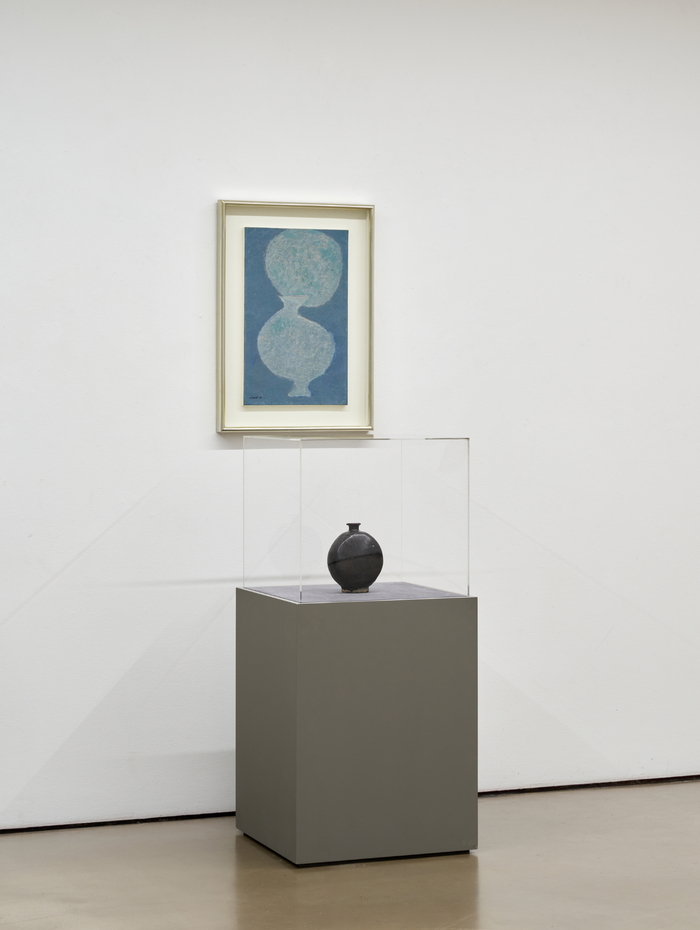
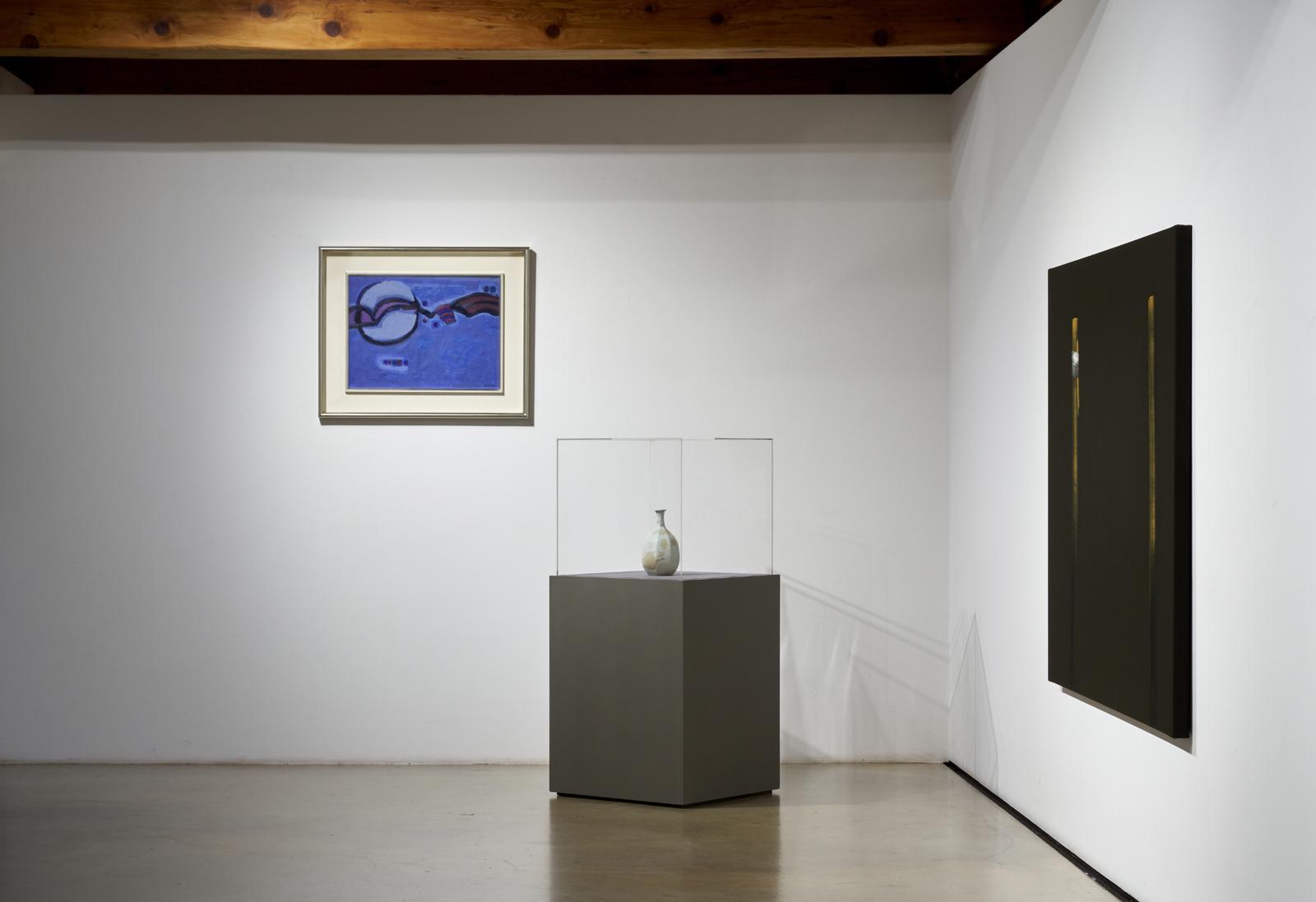
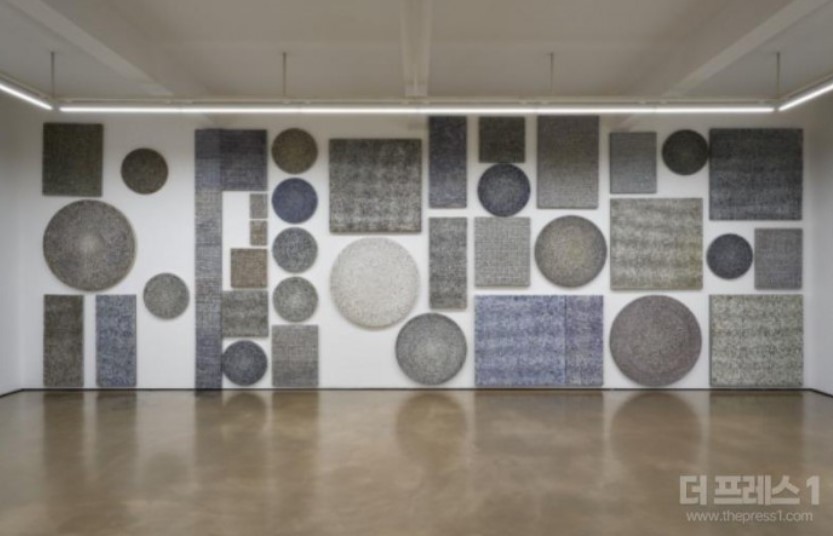
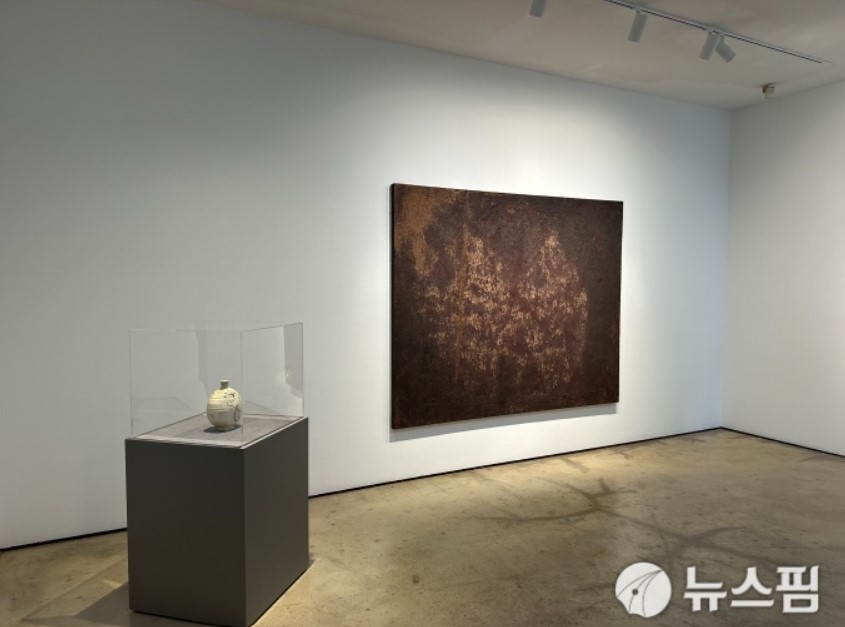
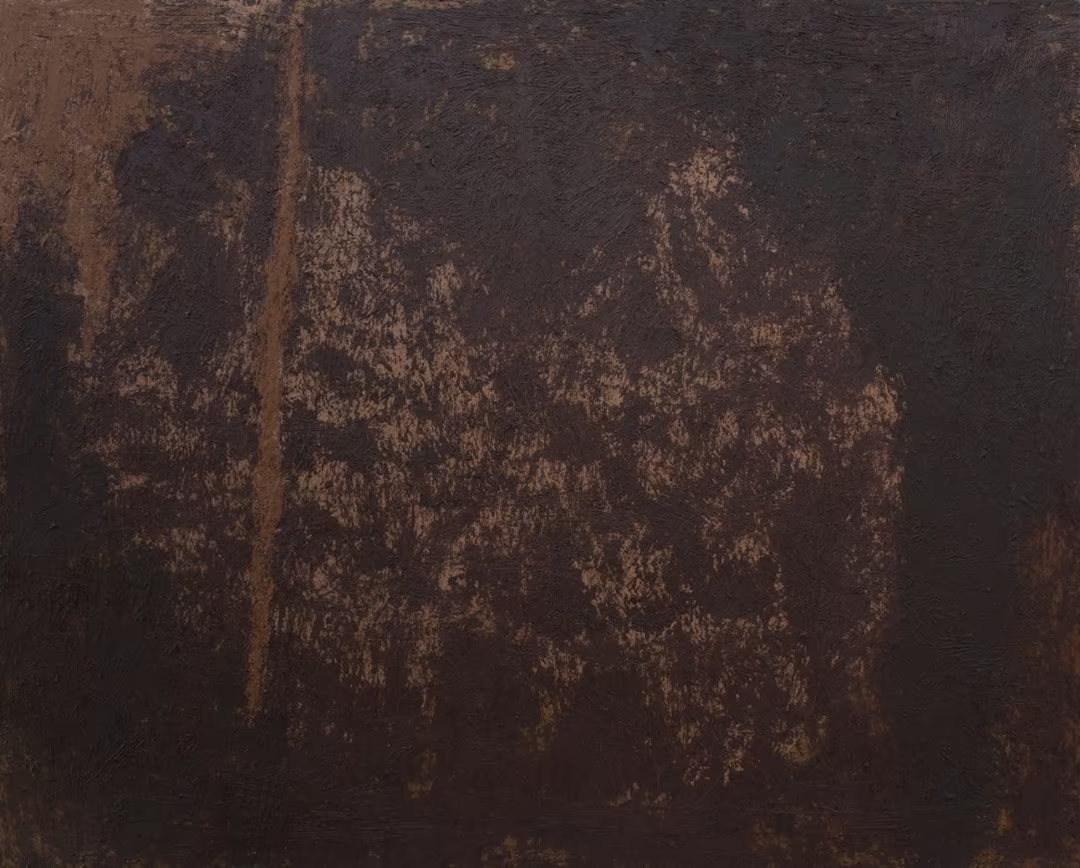
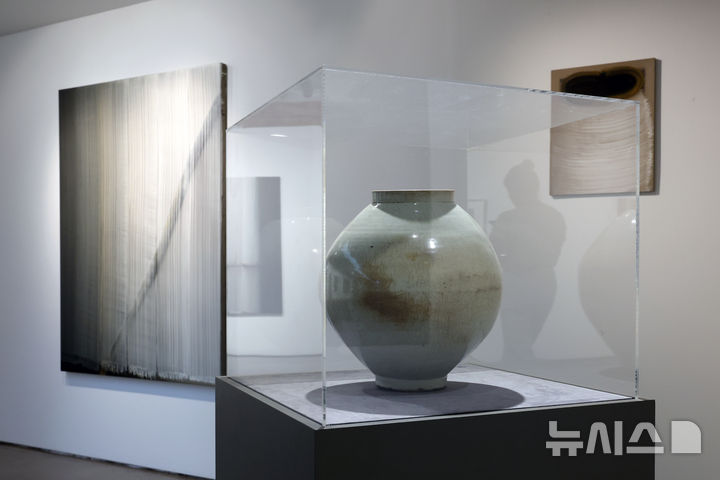
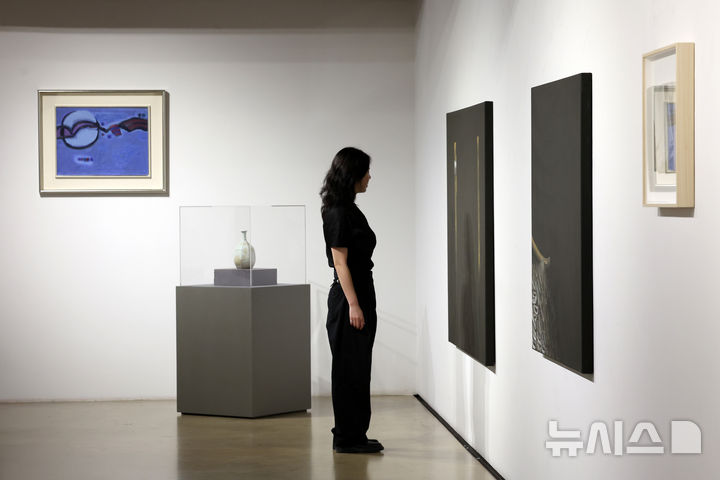
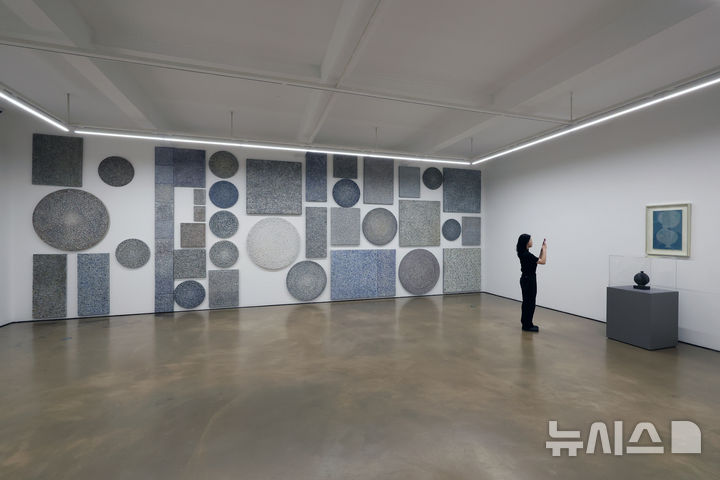
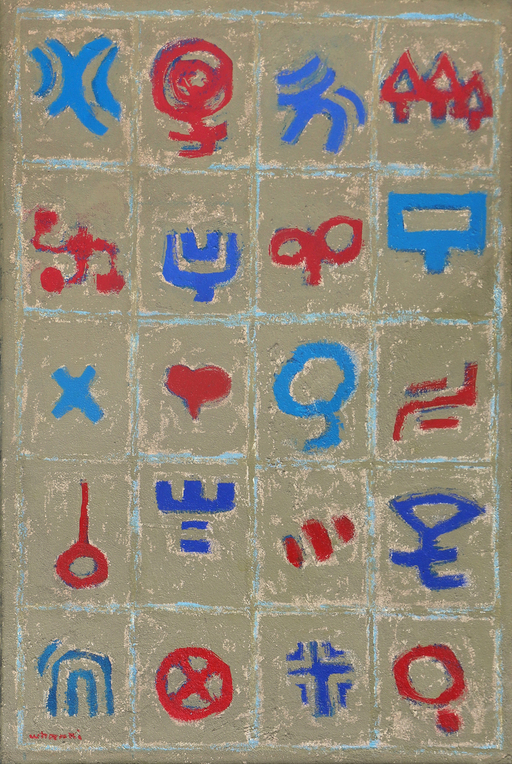
The exhibition begins with ceramics from the Joseon dynasty (1392–1910). The spirit of earth, shaped and transformed by fire, extends into the creative energy of KIM Whanki (1913–1974), who sought to transcend the loss and pain embedded in Korea’s tumultuous modern history, and SONG Hyun-Sook (1952–), who continues this pursuit.” PARK Young-Ha (1954–) and LEE Jinyong (1961–) evoke spiritual elevation through their engagement with ancient and classical materials. PARK Gwangsoo (1984–) and RohwaJeong (1981–) embody the earth’s repose and deconstructive nature, while JI Keun Wook (1985–) captures the alchemical moment when particles freed from gravity transform into light.
Although each artist employs a different artistic language, their shared root is the will to return to the source and reshape the world anew. Here, the particles of earth metamorphose into the most subtle and essential seeds of light that constitute the universe.
Earth is also the common ground—our shared condition—that we stand upon: the planet we call home. This endeavour to return to essence through earth rests on the conviction that, even amid division and conflict, art can seek possibilities for peace and coexistence. Like faint memories emerging from childhood, it calls forth the sensibility of earth lingering within us, tracing connections among today’s identity, aesthetics, and global sensibilities.
—Excerpt from Shattering, Scattering, and Solidifying by Lisa Shin (Exhibition Manager, Hakgojae Gallery)