
• Price
  • Medium
Prev
Next
EXHIBITIONS
Hakgojae Gallery
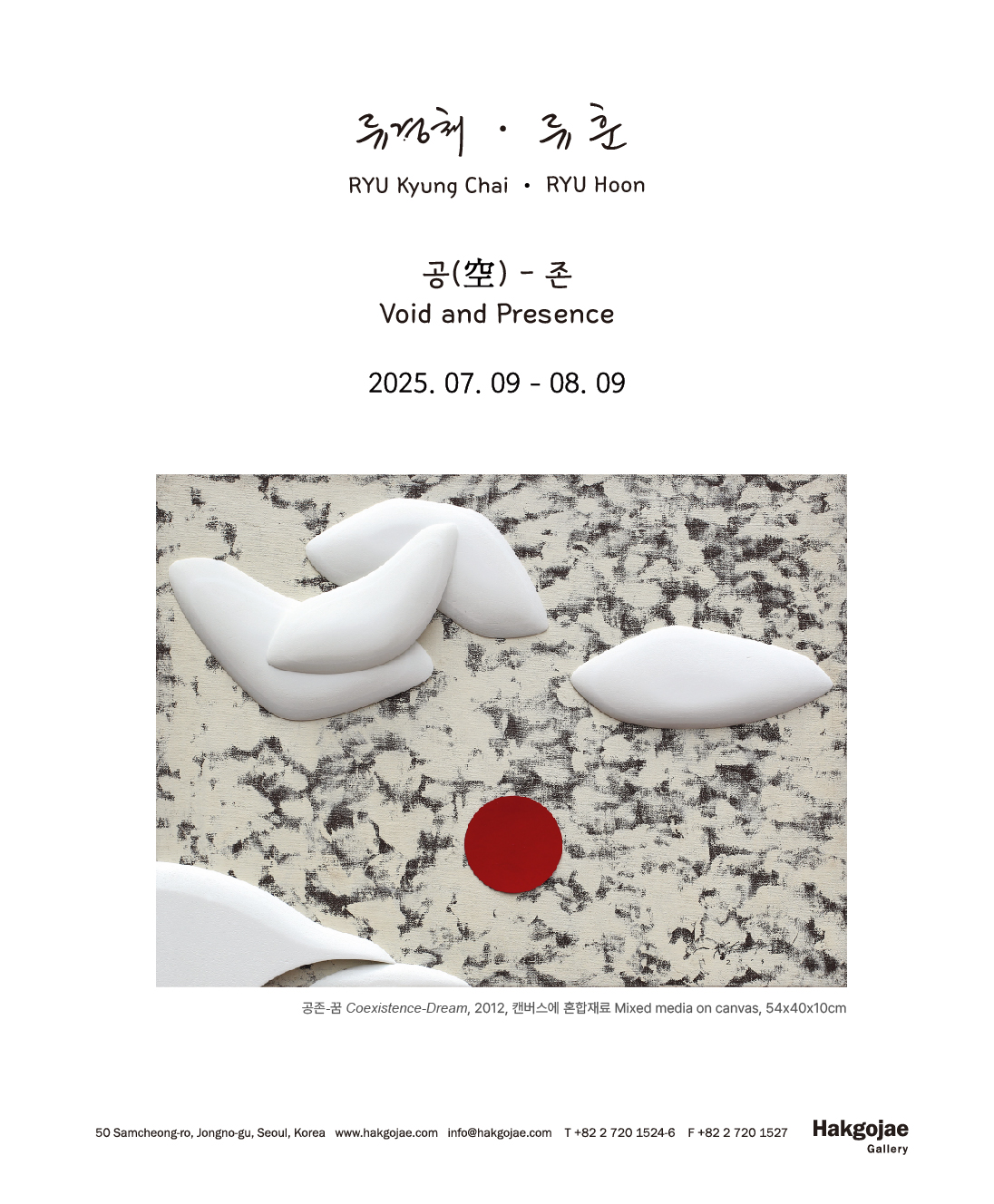
RYU Kyung Chai · RYU Hoon : Void and Presence


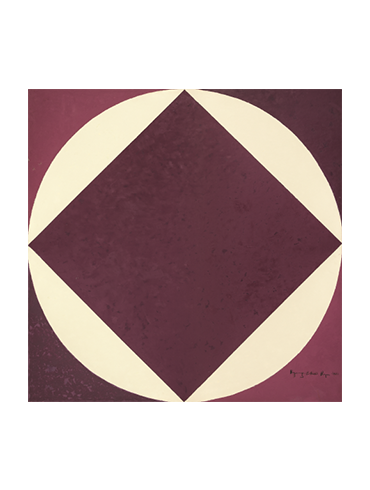
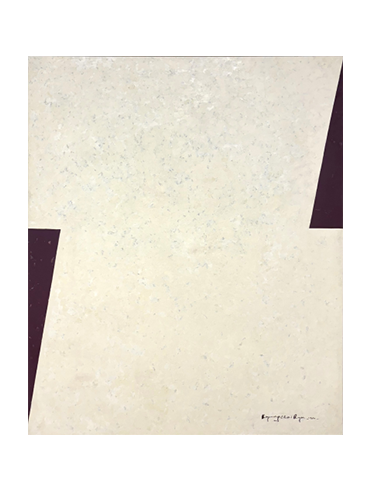
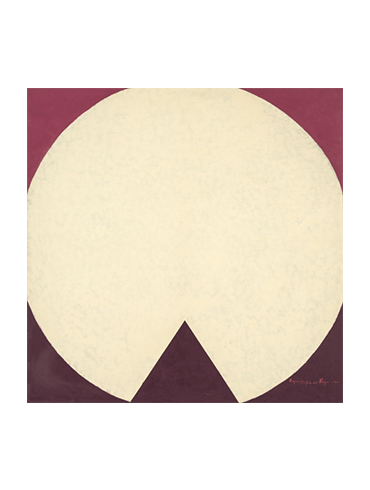
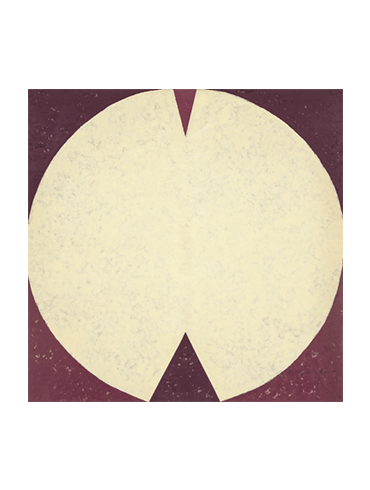
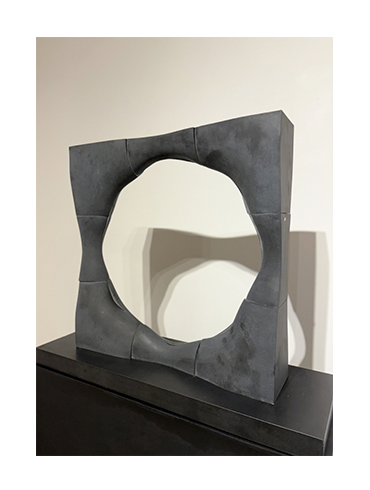
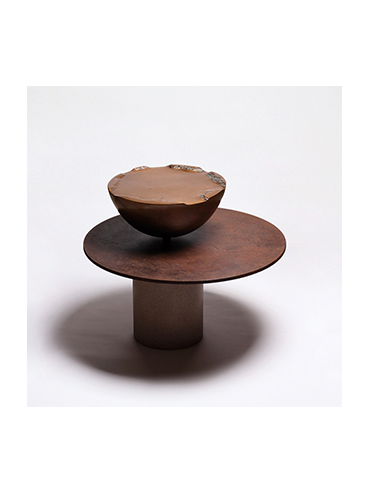
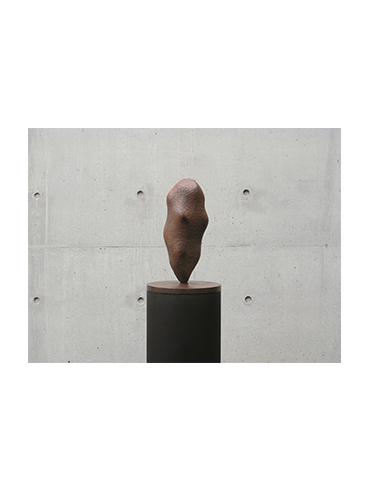
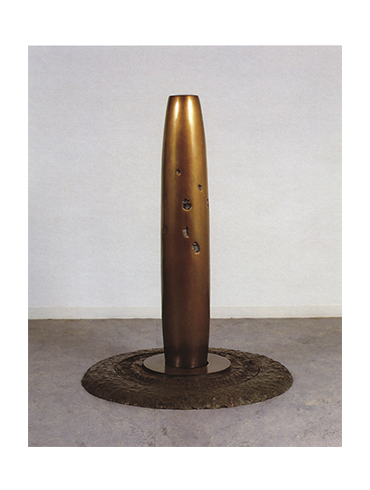
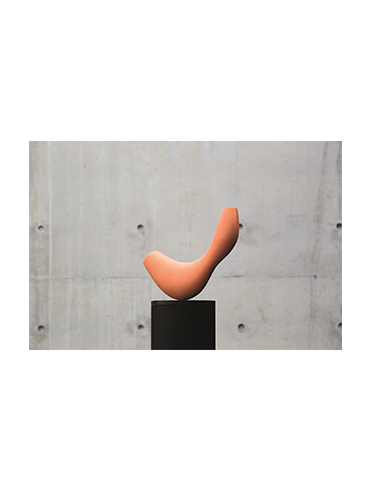
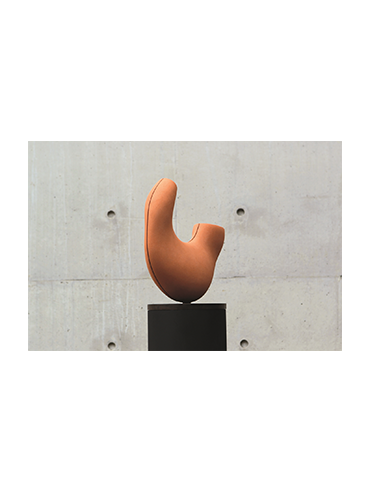
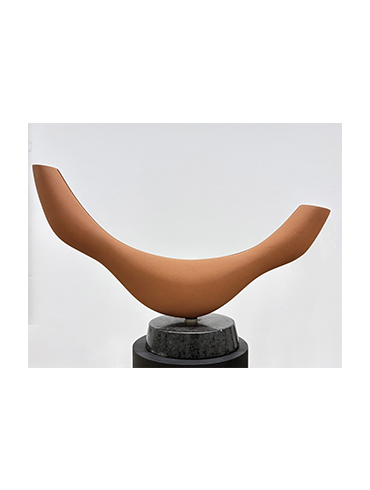
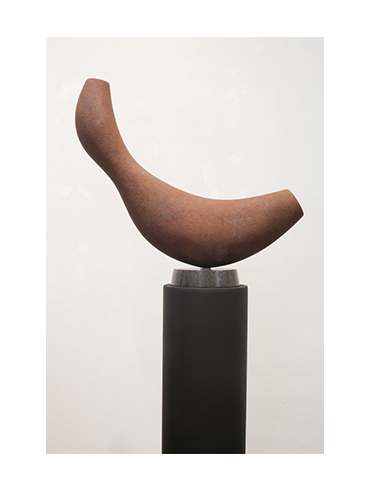
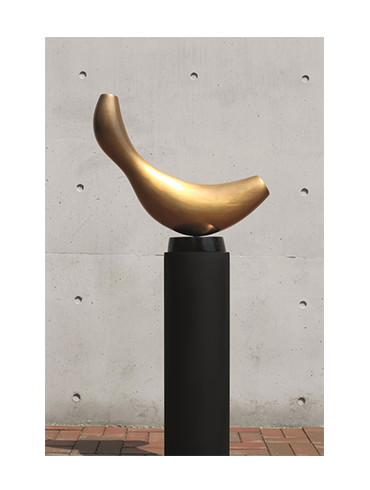
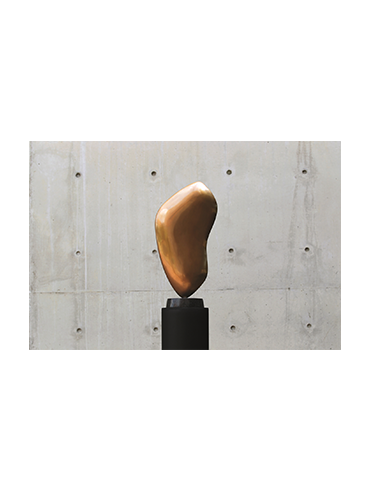
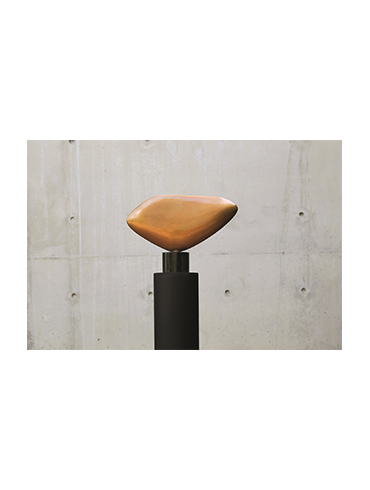
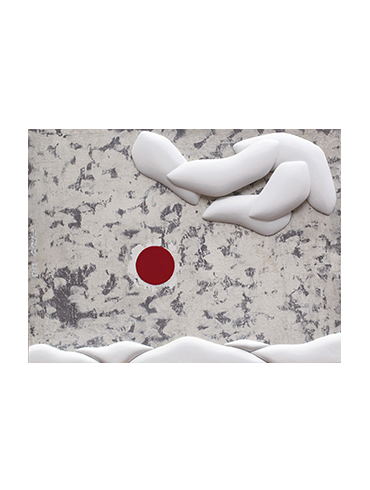
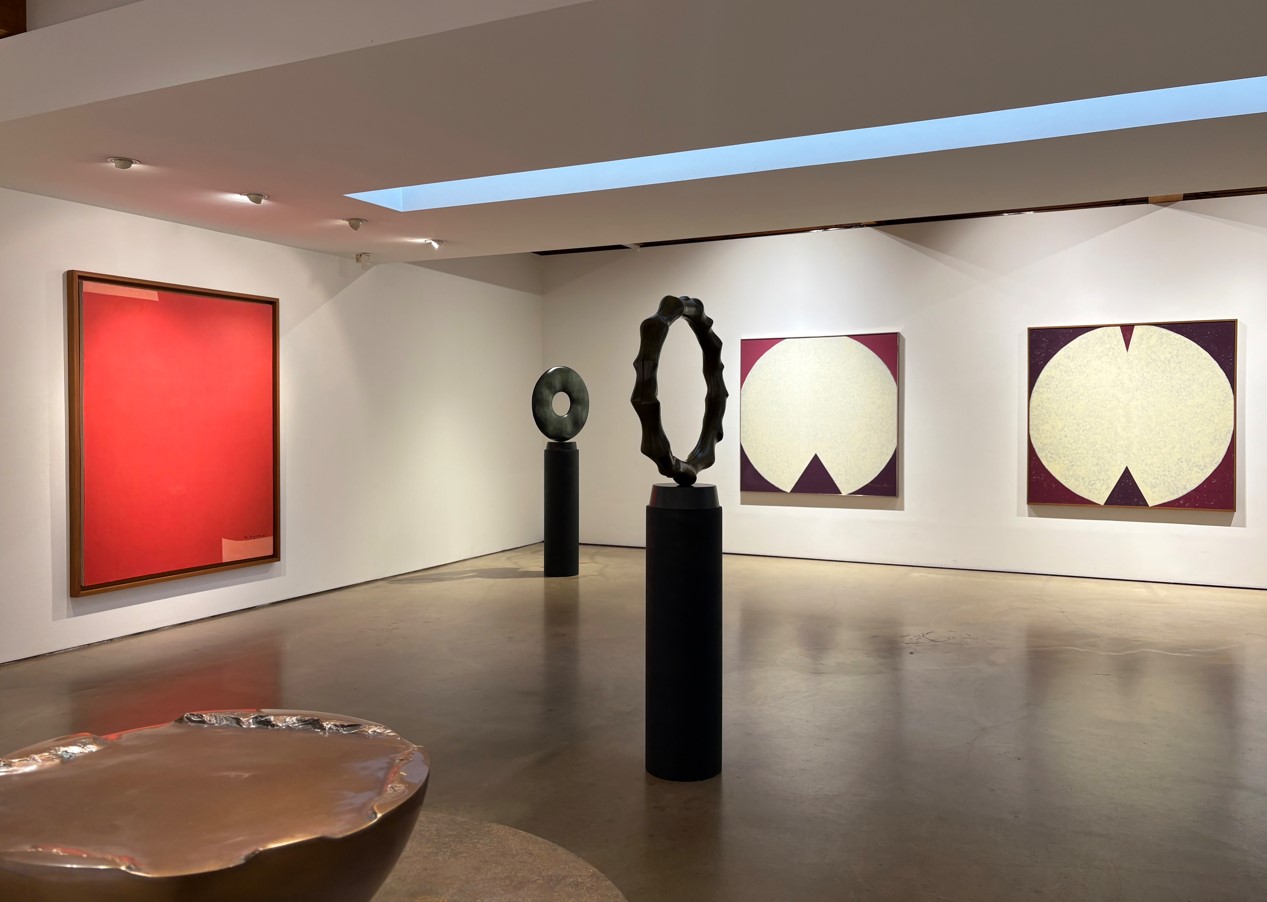
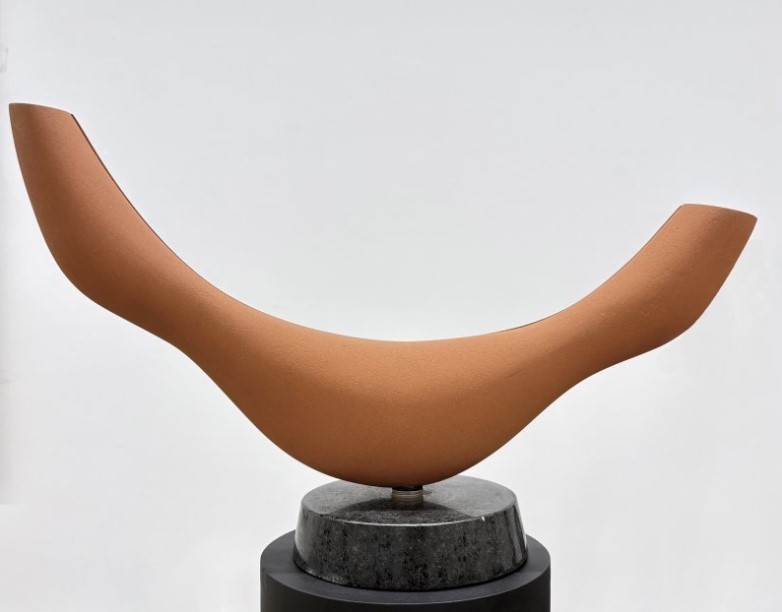
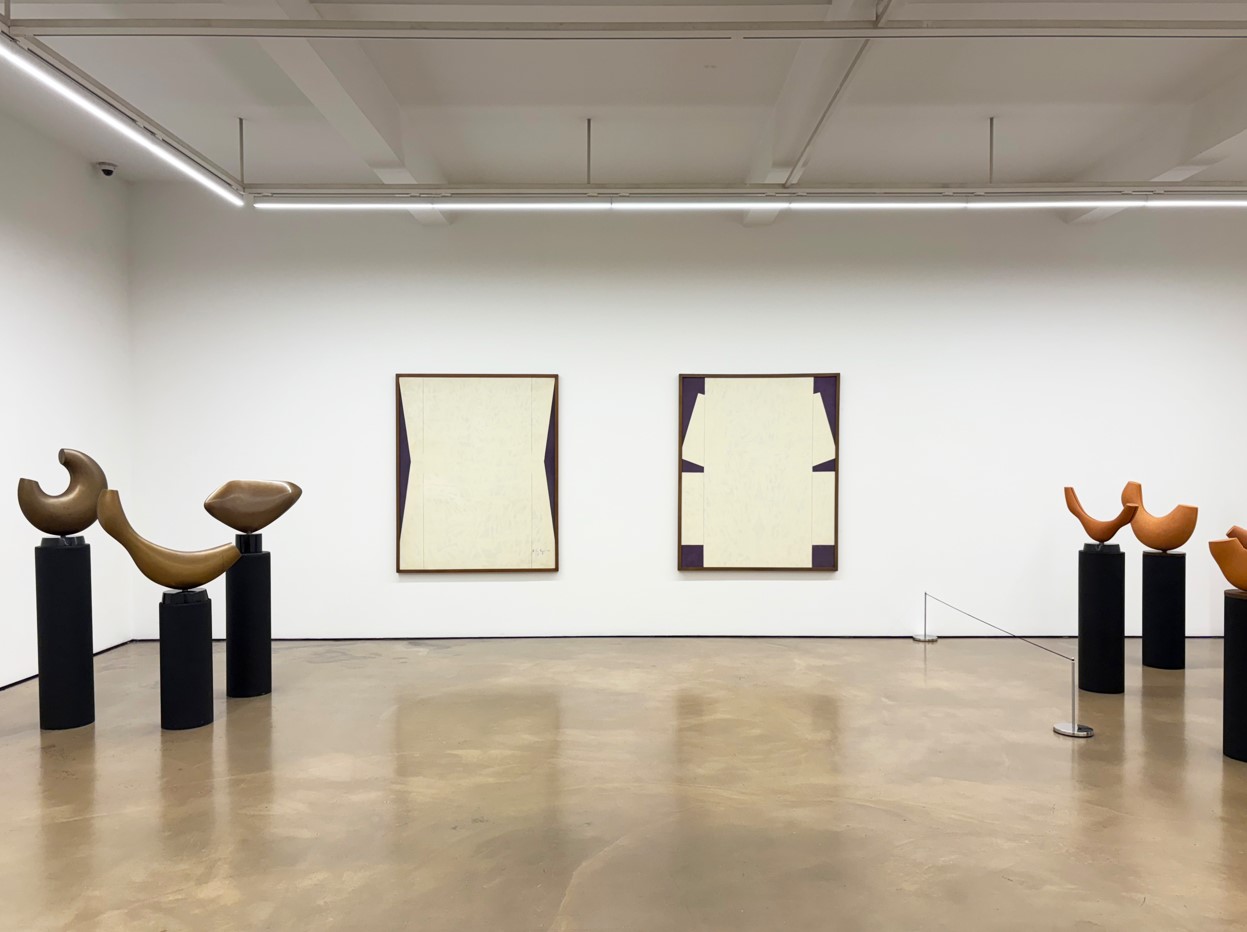
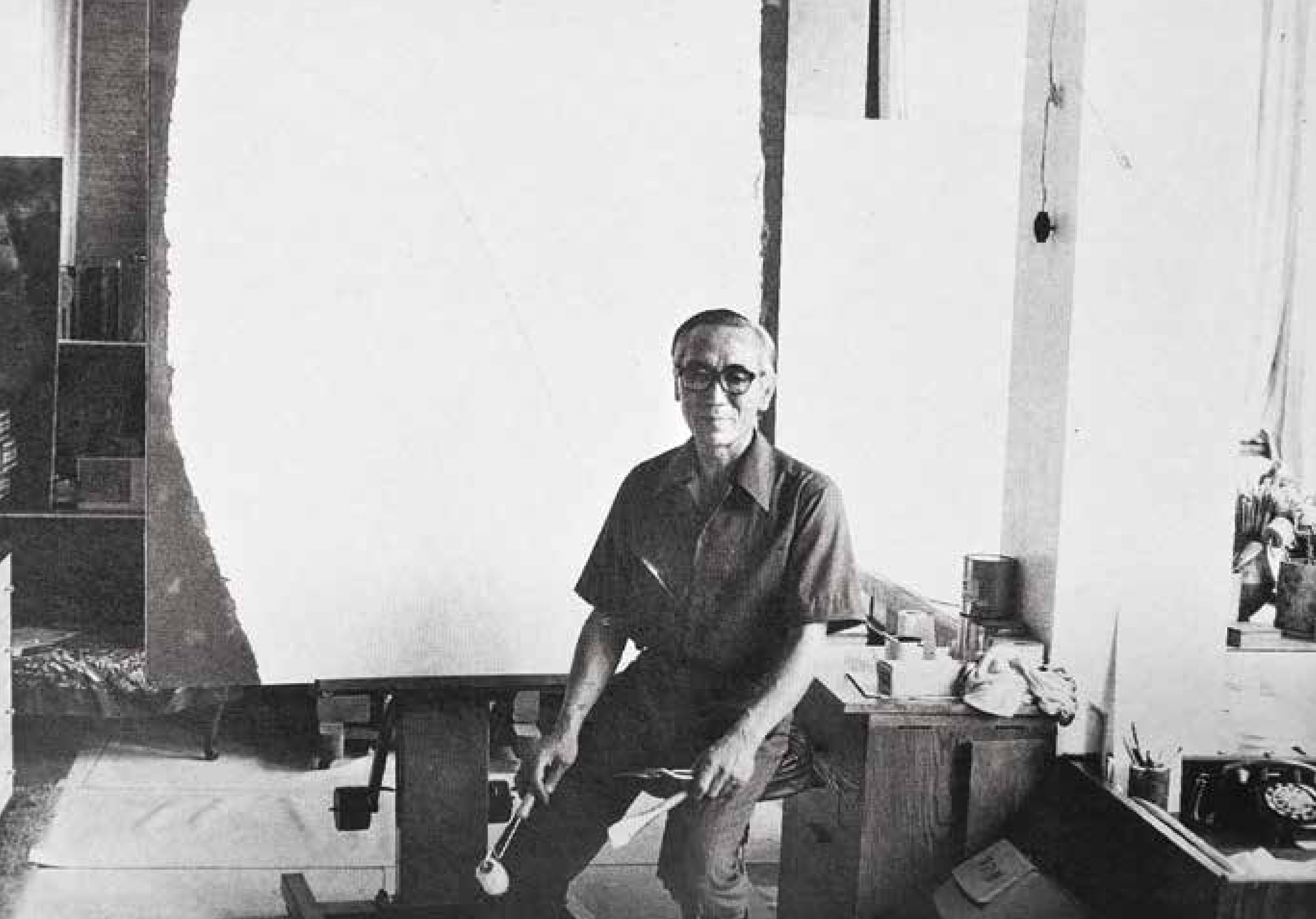
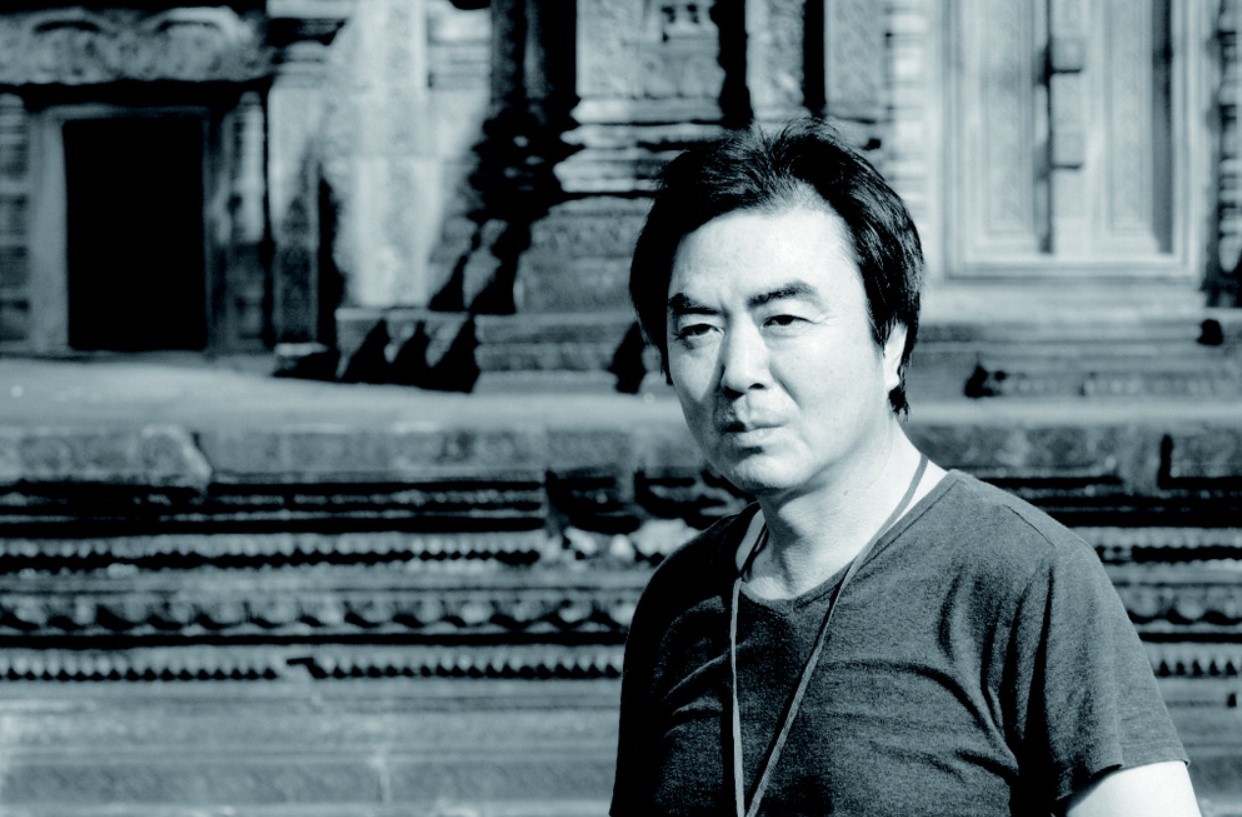
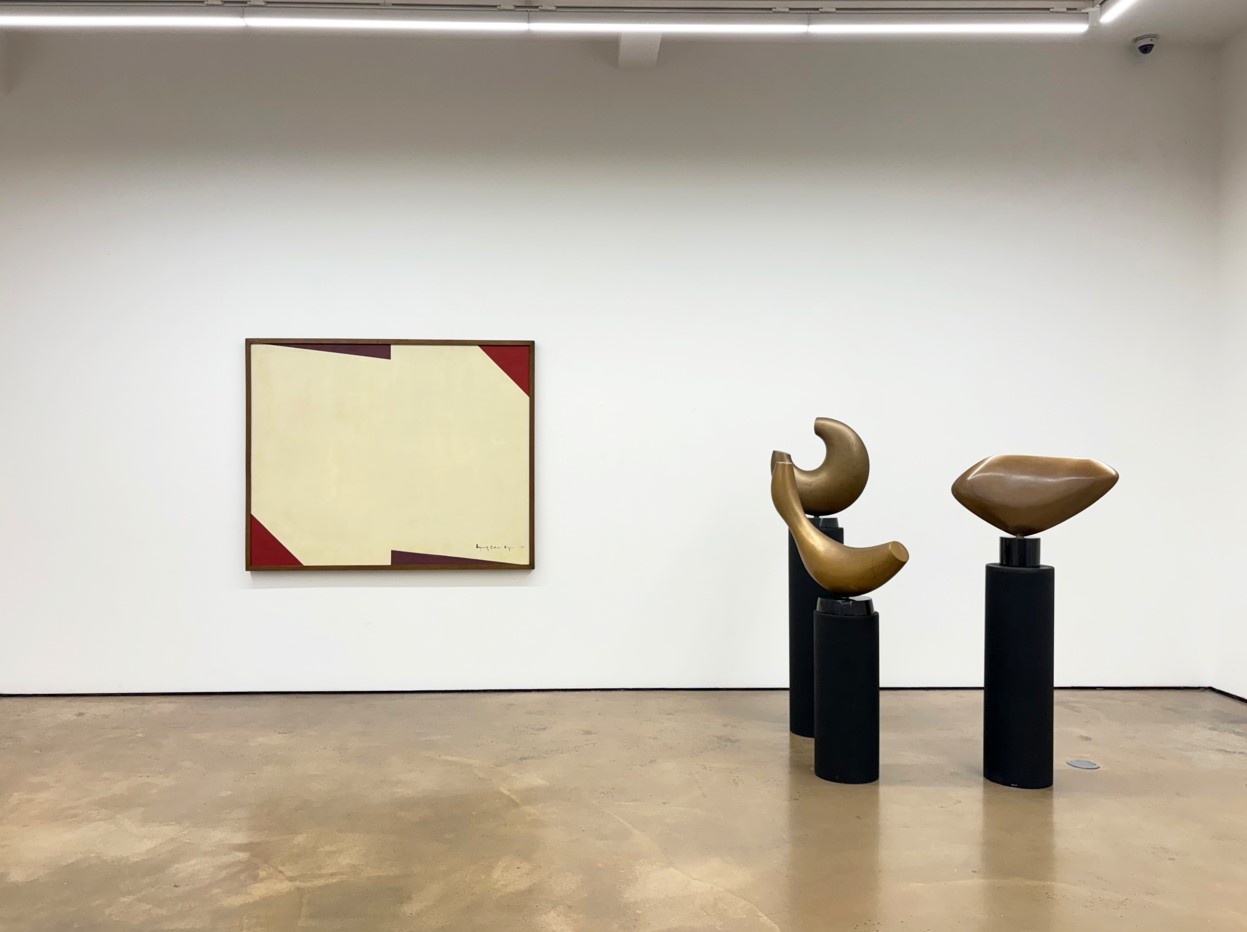
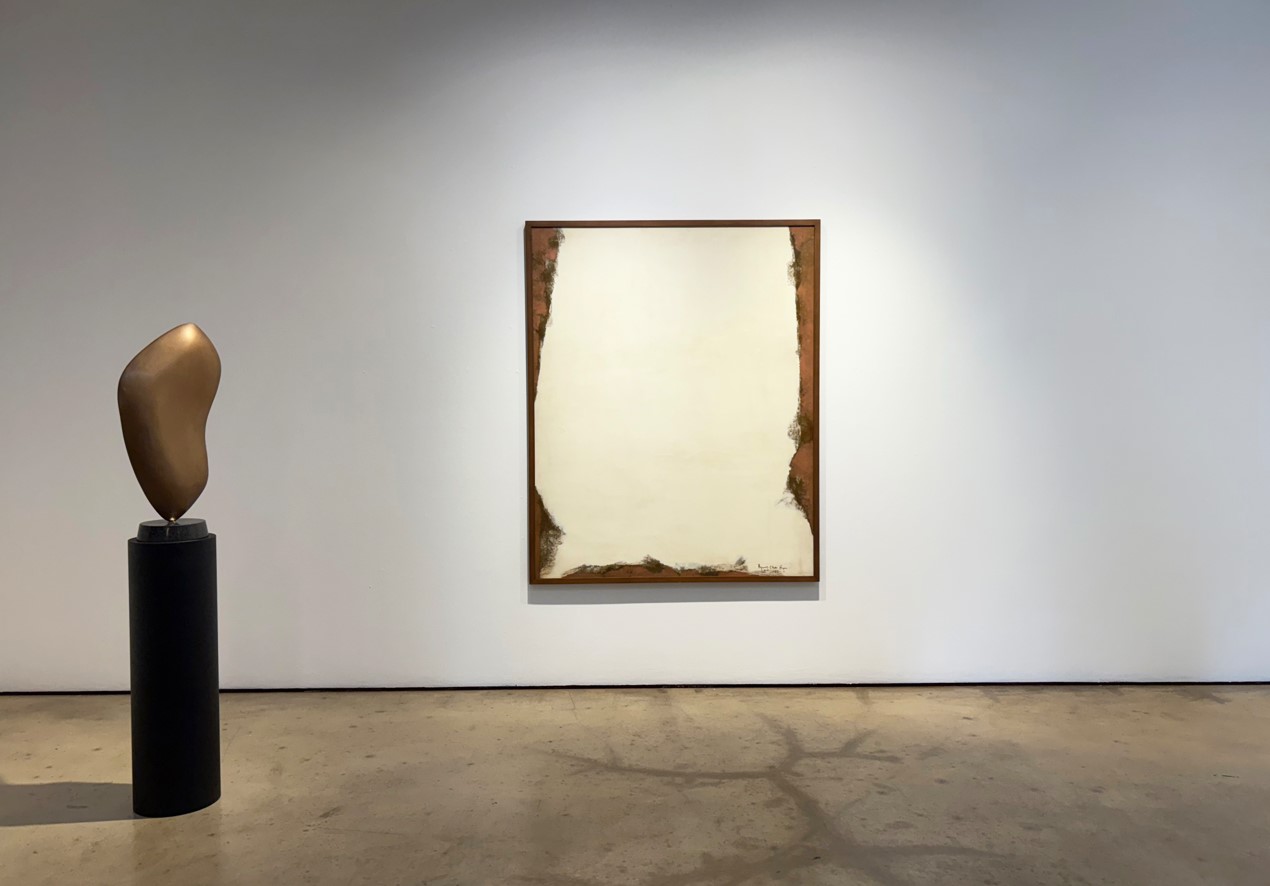
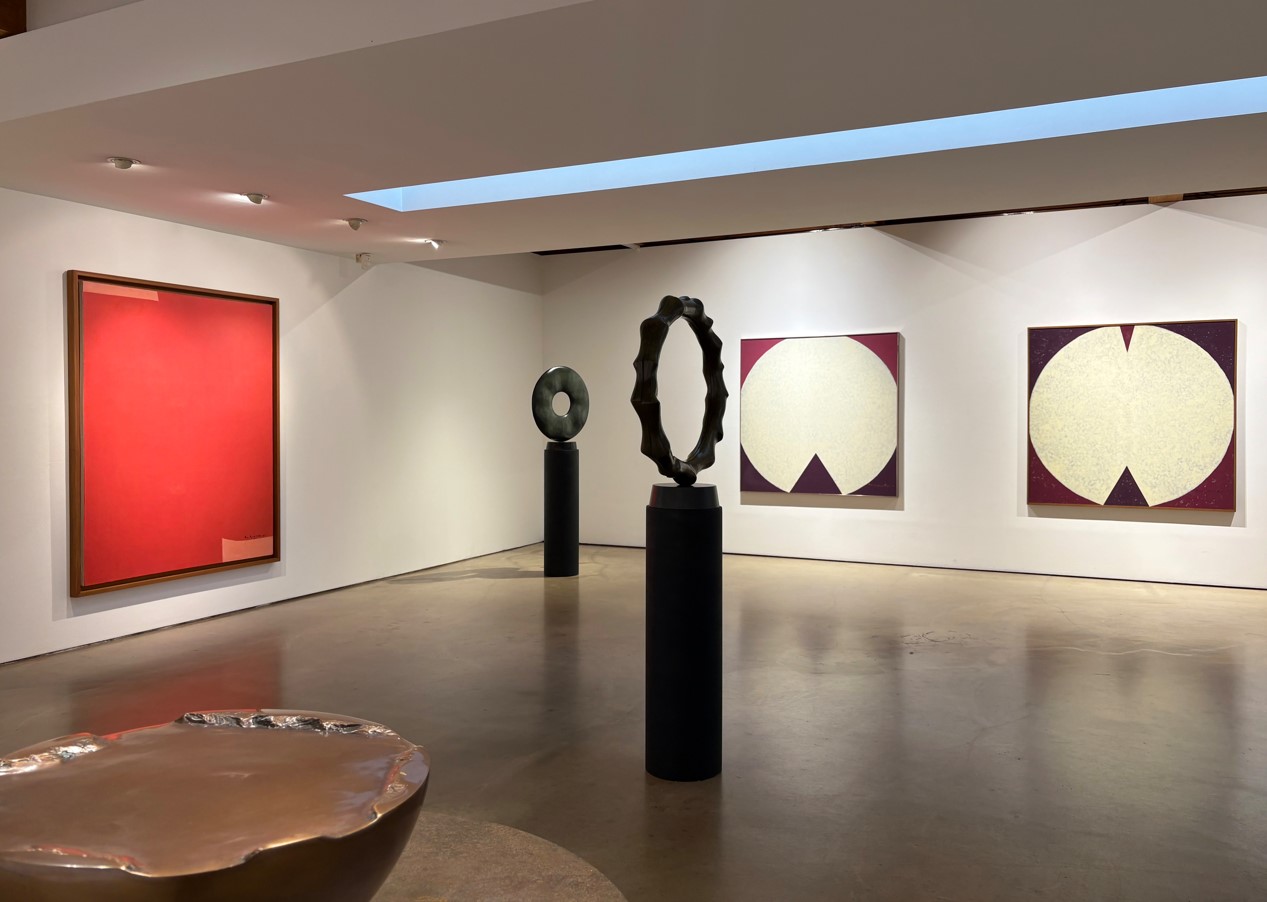
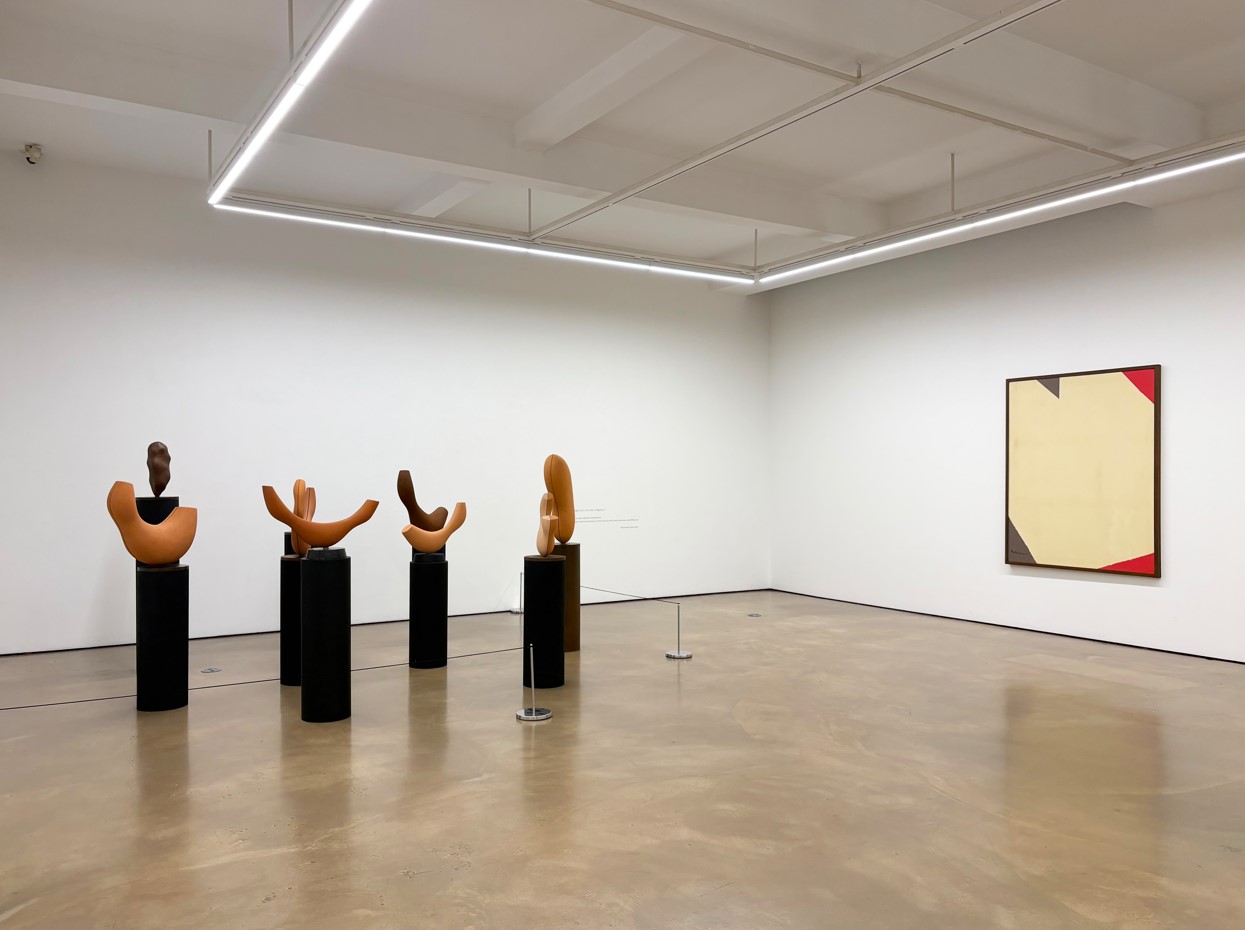
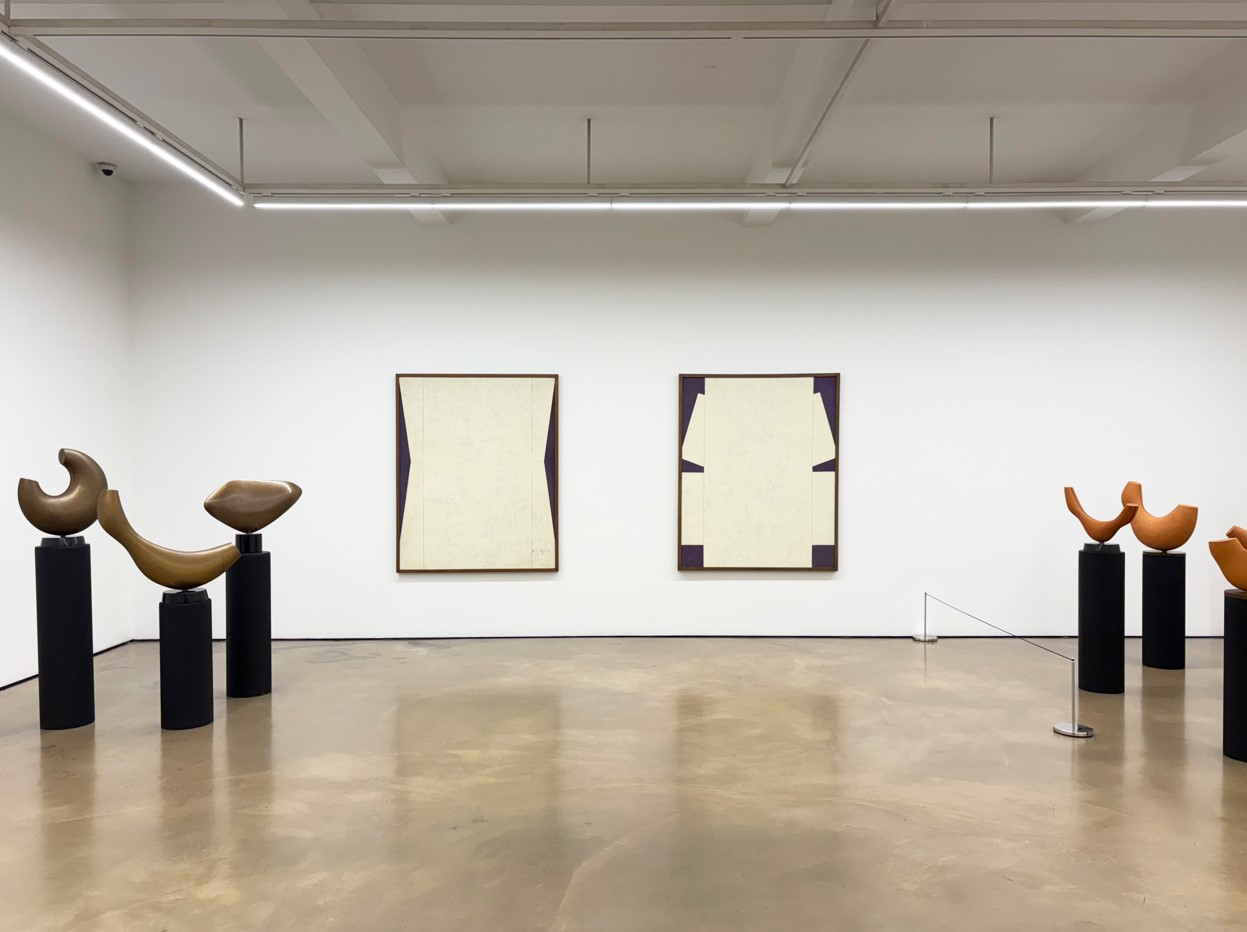
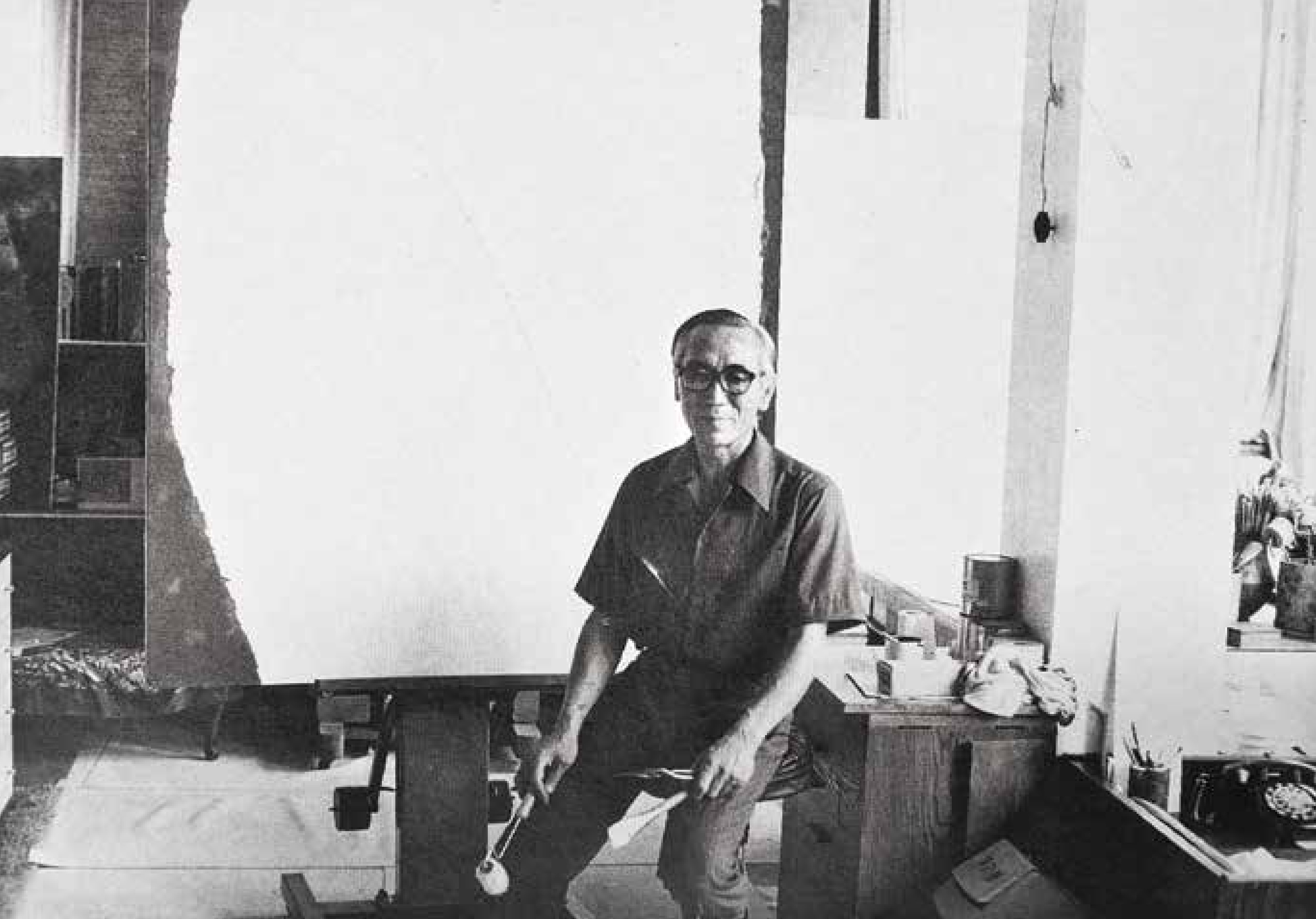
Hakgojae Gallery presents the two-person exhibition, Void and Existence from Wednesday, July 9 to Saturday, August 9, featuring works by RYU Kyung Chai (1920–1995, Haeju, Hwanghae Province) and RYU Hoon (1954–2014, Seoul). The exhibition features 15 abstract paintings by RYU Kyung Chai and 24 sculptural works by RYU Hoon. Although the two artists are father and son, their practices transcend lineage. Shaped by different eras, each forged a distinct formal language that mirrors sensation and reality in its own way. This exhibition illuminates how subtle differences give rise to resonance and intersections.
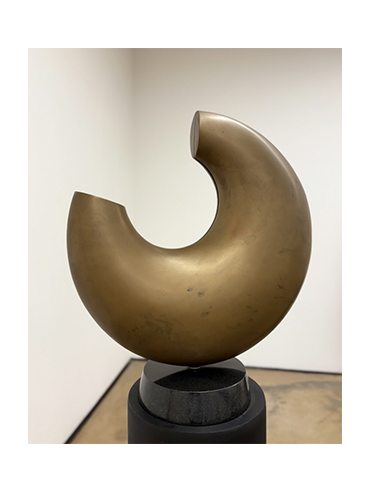


Art bears the traces of its time, and the artist, as one who traverses that era, raises questions from within it. This exhibition delves into the universal yet profound theme of existence through the sculptural languages of two artists, RYU Kyung Chai and RYU Hoon, each shaped by different eras and environments. Through aesthetic response and sculptural evolution, the exhibition probes the fundamental continuity between art and its time.


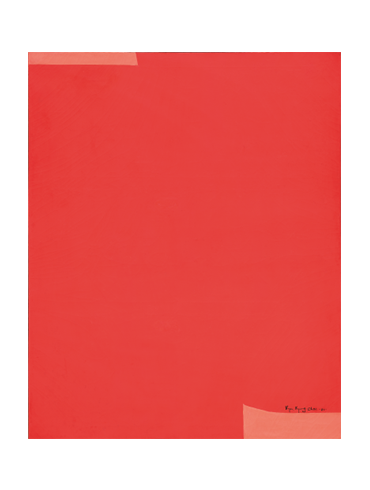
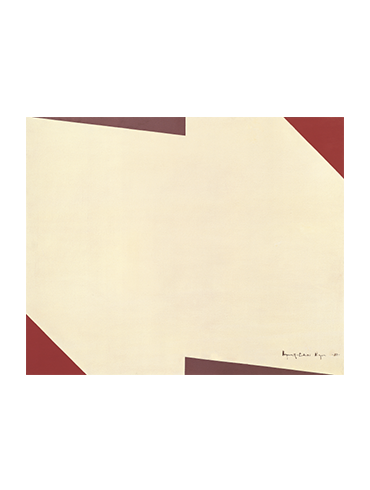
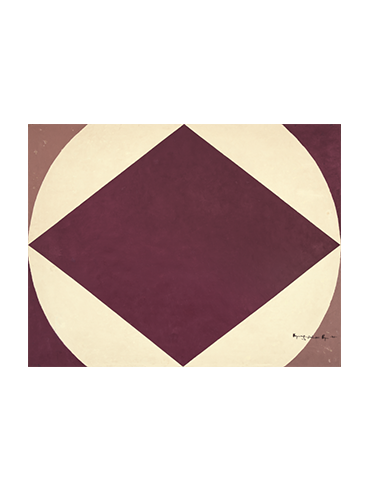
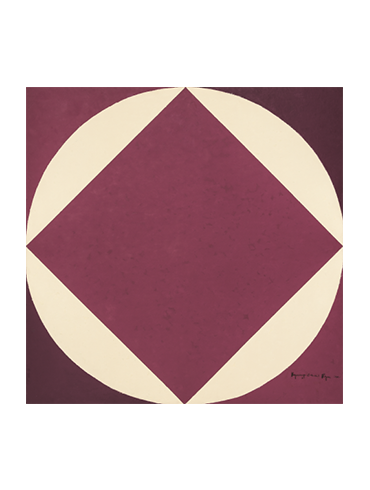
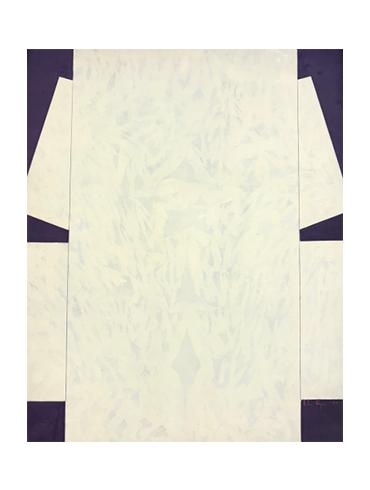
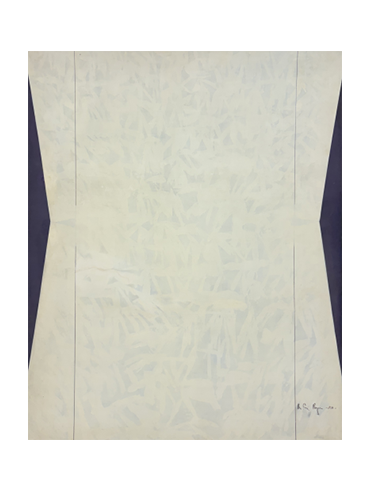
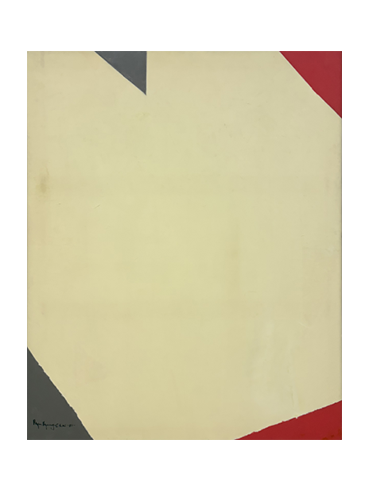
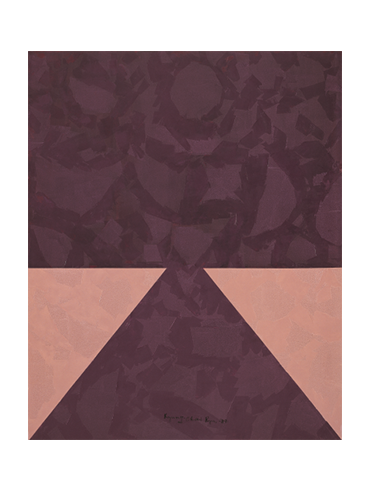
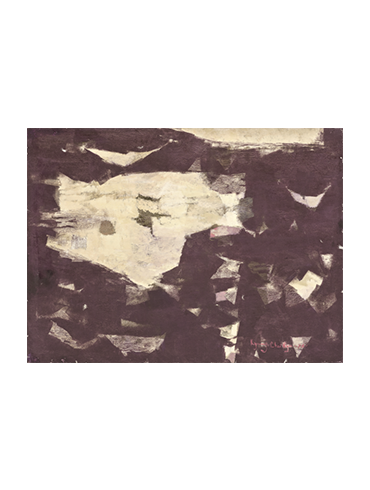
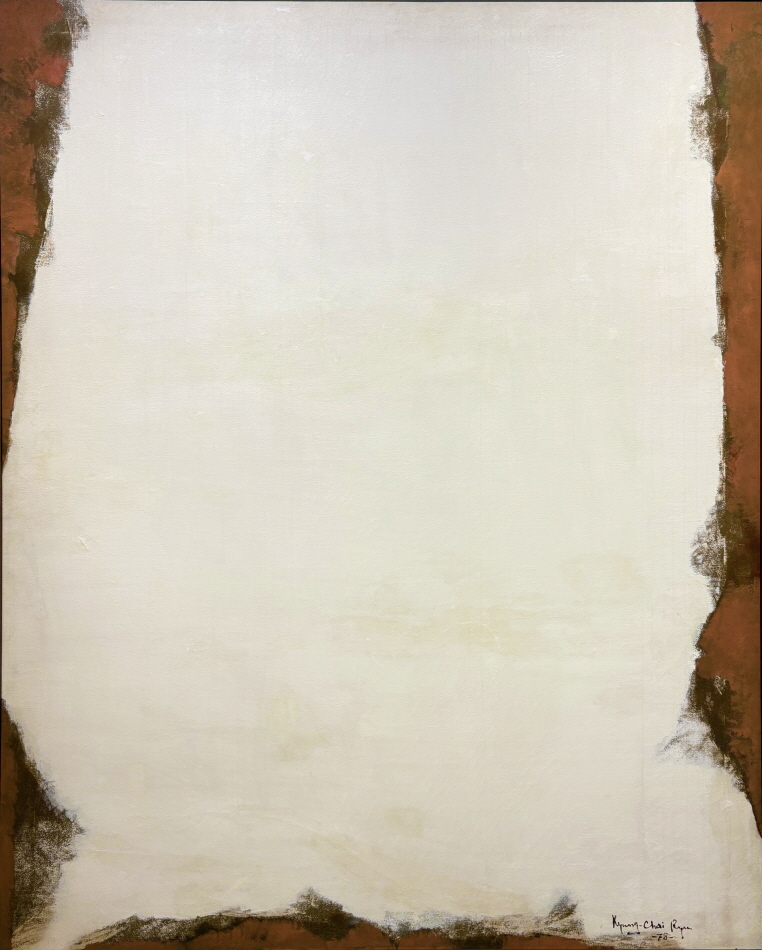
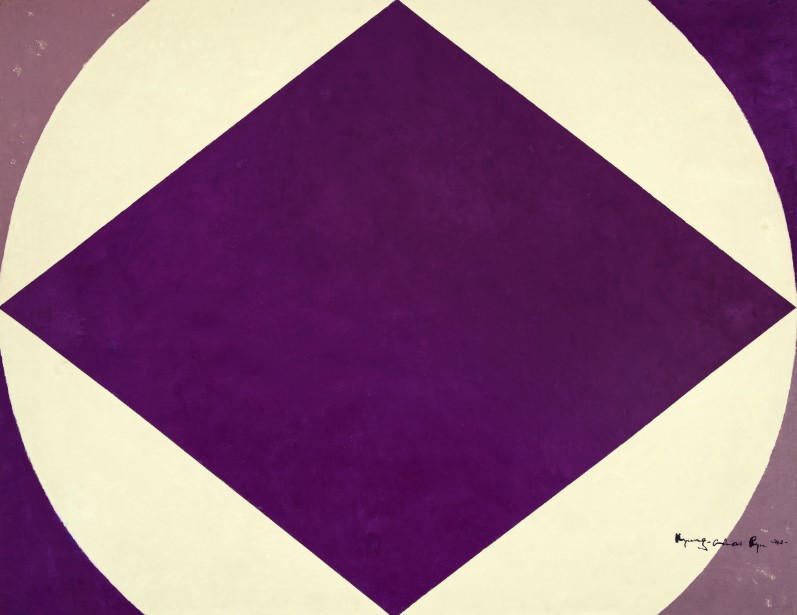
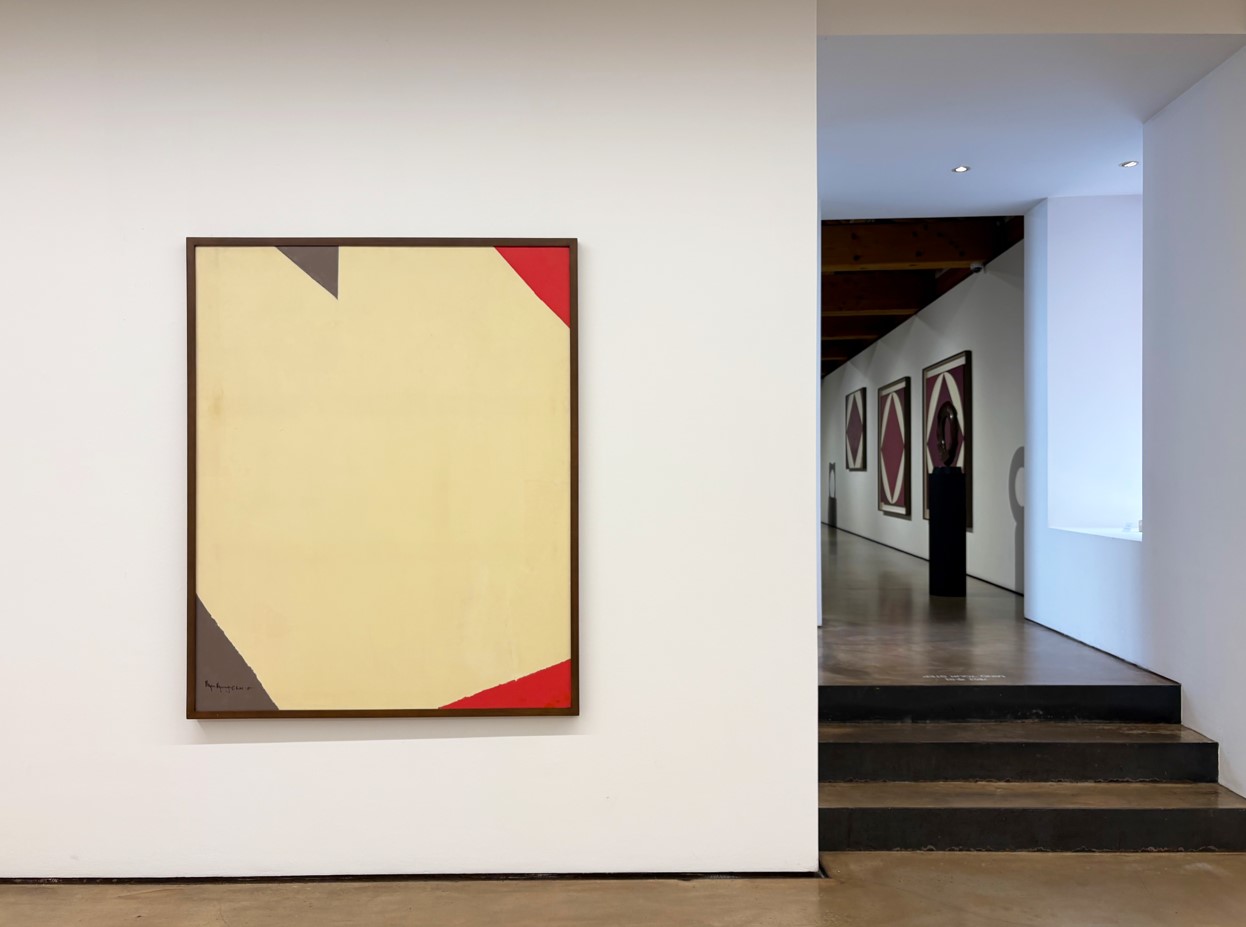
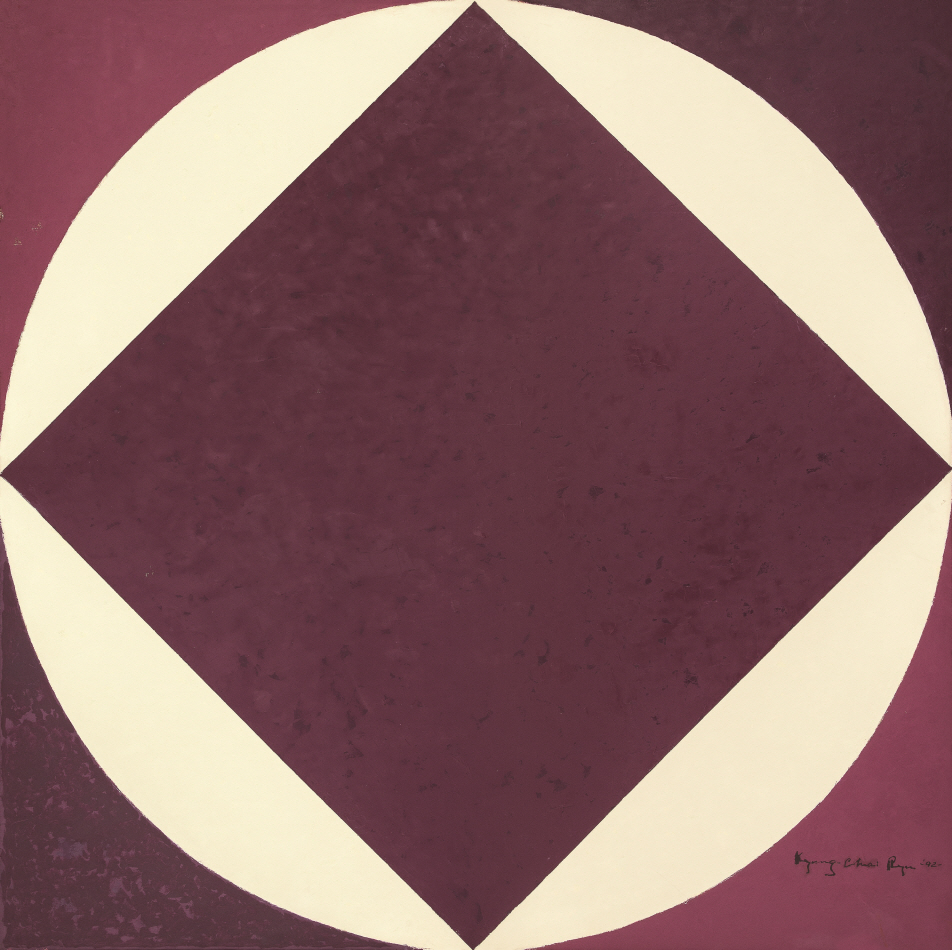
RYU Kyung Chai emerged during the formative years of Korean modern art in the post-liberation era. Rooted in an Eastern worldview, his paintings move beyond simple landscape depiction to contemplate the cyclical order of birth, extinction, and renewal, all while seeking harmony between nature, humanity, and life itself. RYU Kyung Chai first came to prominence with Neighborhood of a Bare Mountain, which was awarded the President’s Prize at the inaugural Grand Art Exhibition of Korea in 1949. Now in the collection of the National Museum of Modern and Contemporary Art,  the painting epitomizes RYU’s vision. From the 1960s onward, his practice moved into non-representational painting, shifting its focus from visible nature to the inner realm in which nature is perceived. By the 1970s, he had established a structural rigor through monochromatic color-field compositions, securing his place as an artist who reinterpreted Korean naturalism in a contemporary idiom. RYU continually probed nature’s essence, expanding it into artistic practice; his work serves as a subtle passage through which being itself can be felt, embracing cycles of creation and renewal within a restrained order.


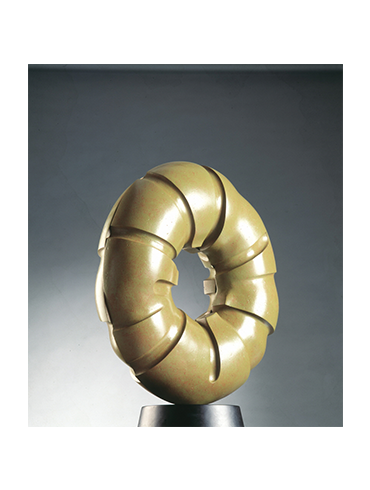
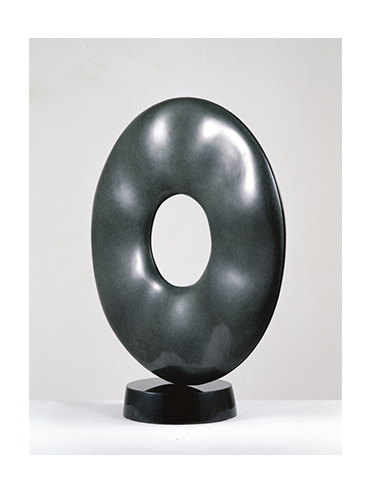
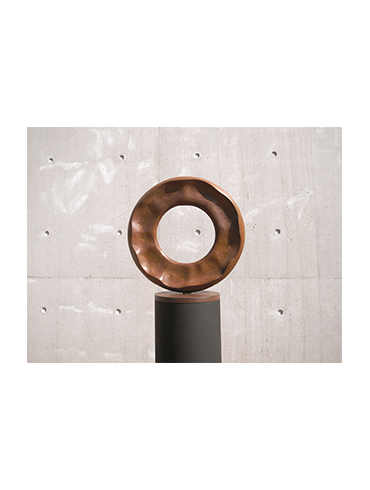
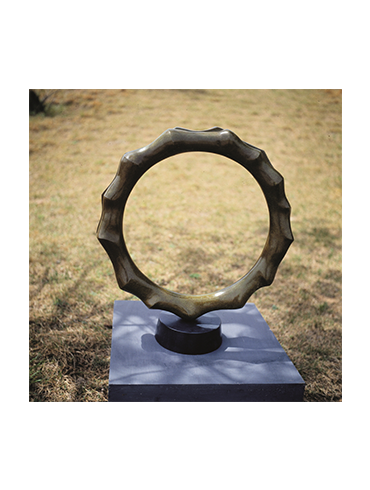
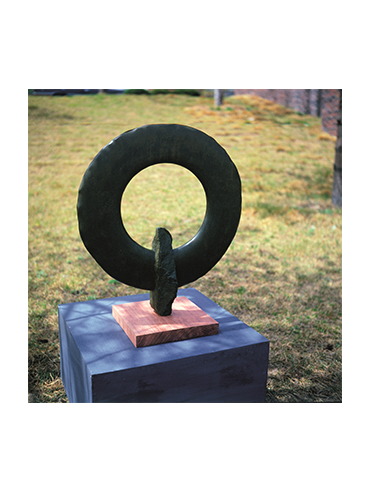
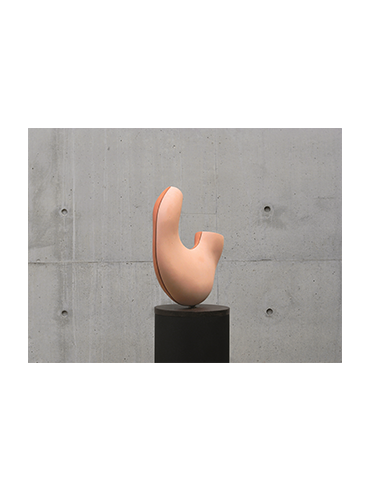
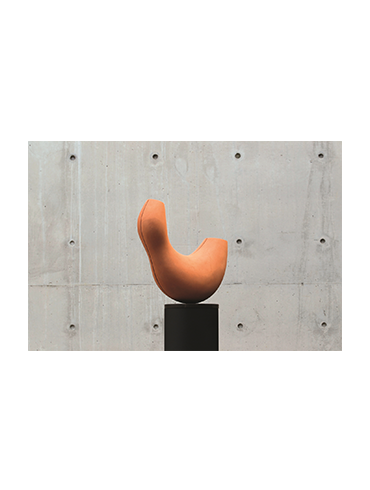
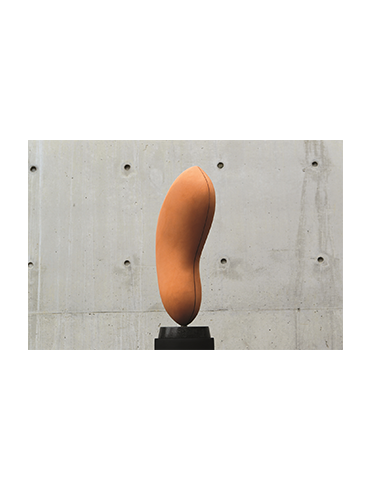
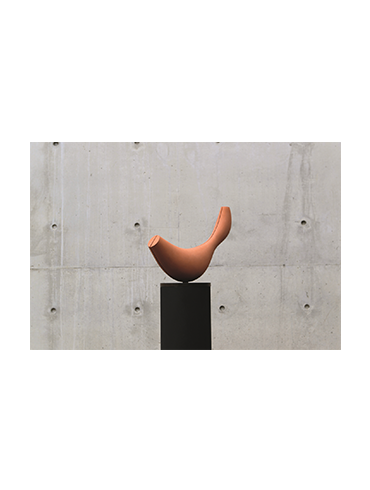
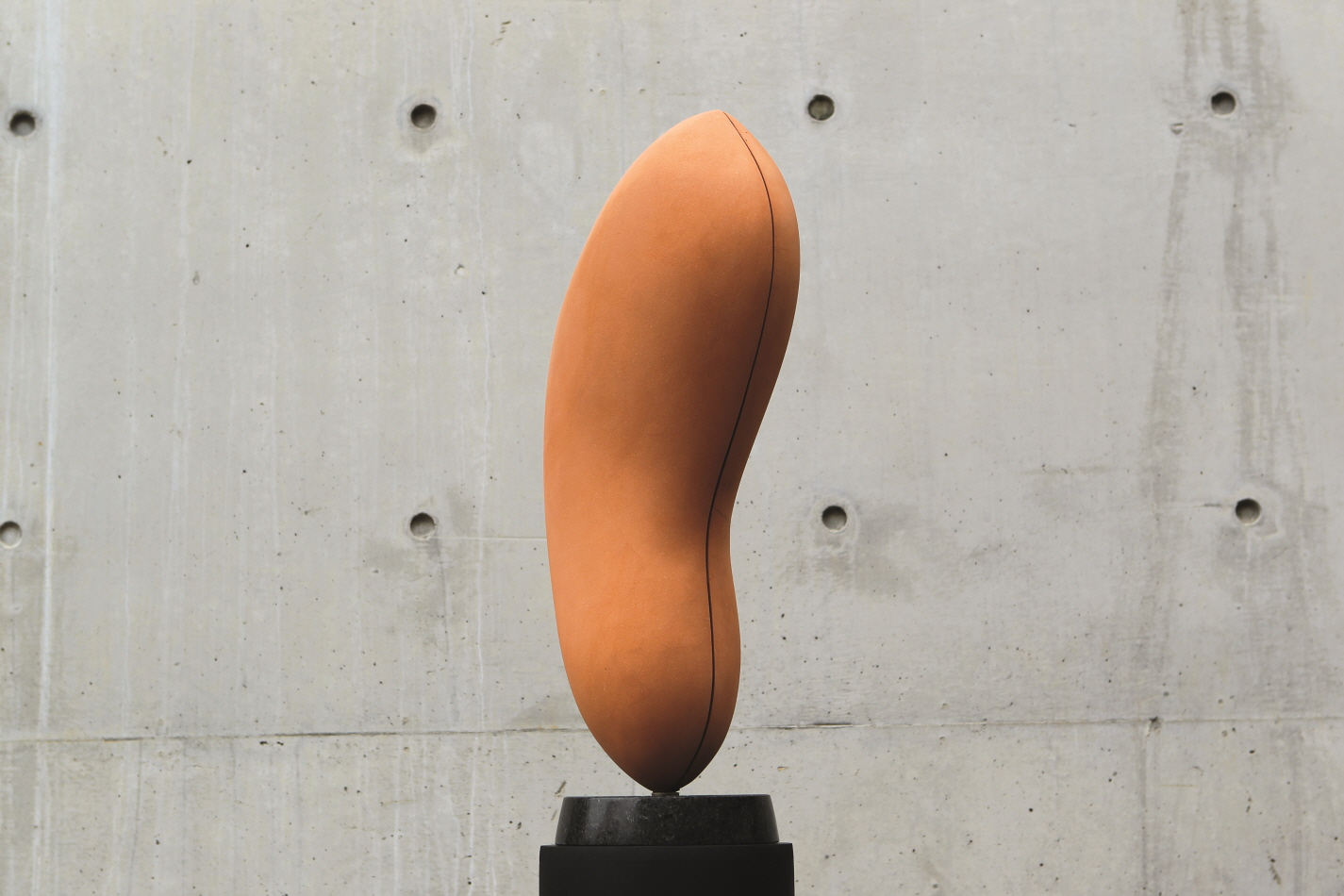
RYU Hoon, by contrast, probes the depths of existence through an experimental, deconstructive vocabulary. Dismantling the classical human figure, he reassembles it into geometric configurations, thereby redefining notions of space, body, and form. RYU Hoon transformed the elements of “structure” and “composition”—key components in his father’s work, with which he was intimately familiar—into three-dimensional variations. He continued to dismantle familiar orders and formalities, overturning them with a sense of estrangement. This process compels the viewer to confront the instability, contradictions, and inherent imperfections of existence.


In his work, material goes beyond its physical properties to symbolize the human interior. Incompletely formed structures evoke a palpable tension, while fragmented shapes reveal the fissures and collisions within being itself. This stands in stark contrast to the harmonious natural order his father pursued. RYU Hoon’s work rejects calm balance and instead explores tension and deliberate fragmentation. His sculptures map the modern self—split and unresolved. Since the late 1980s, he developed an independent sculptural language that redefines form and space.


This exhibition sets their opposing ideas and visual vocabularies side by side, reconstructing layered ties between era and generation, form and philosophy, order and rupture. In the title, “Void” signifies the point from which all creation can emerge, while “Presence” marks the living trace and weight of presence within that void. RYU Kyung Chai’s paintings and sculptures and RYU Hoon’s spatial structures reflect and embrace one another in this void, sustaining a dialogue across time, memory, body, and spirit. The exhibition’s most compelling point is that both artists pose the same question—“What is existence?”—through different senses and languages.


While RYU Kyung Chai pursued the possibility of being through a harmony between the world and the human spirit—constructing order through form—RYU Hoon lays bare the uncertainty of existence in a reality where such harmony has collapsed. By dismantling structure, he confronts the depths of the self. Their trajectories diverge, yet both gaze into the void beyond form, where the essential question of what it means to be alive remains.


Void and Presence is not a rupture but an altered inheritance that condenses the density of time and the traces of life. It is not merely the act of shaping form, but an artistic practice that reawakens the fundamental question of the relationship between the world and the human, between nature and existence. It is a dialogue in silence, a fullness within emptiness, inviting viewers to trace how art is passed down and transformed across time and generations.


Artworks
RYU Kyung Chai
The Day '81-5

1981

Oil on canvas

162x130cm

RYU Kyung Chai
The Day '85-6

1985

Oil on canvas

130x162cm

RYU Kyung Chai
heart's desire '92-8

1992

Oil on canvas

111.5x144cm

RYU Kyung Chai
heart's desire '92-6

1992

Oil on canvas

135x135cm

RYU Kyung Chai
heart's desire '92-5

1992

Oil on canvas

135x135cm

RYU Kyung Chai
one's heart's Desire '94-1

1994

Oil on canvas

162x130cm

RYU Kyung Chai
Celebration '91-4

1991

Oil on canvas

134x134cm

RYU Kyung Chai
Celebration '91-2

1991

Oil on canvas

134x134cm

RYU Kyung Chai
The Day '82-5

1982

Oil on canvas

162x130cm

RYU Kyung Chai
The Day '82-4

1982

Oil on canvas

162x130cm

RYU Kyung Chai
The Day '81-4

1981

Oil on canvas

162x130cm

RYU Kyung Chai
Celebration '89-8

1989

Oil on canvas

162x130cm

RYU Kyung Chai
Buddha's Birthday 76-8

1976

Oil on canvas

97x130cm

RYU Kyung Chai
May Buddha's blessing be upon us! 78-3

1978

Oil on canvas

162x130cm

RYU Kyung Chai
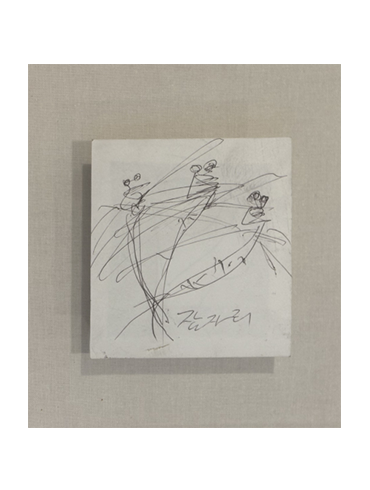
Dragonfly

1960s

Pencil on paper

8.5x8.5cm, 25.3x4x25.3cm(Framed)

RYU Hoon
Form

1993

Bronze

52x16x52cm

RYU Hoon
Coexistence

1999

Bronze

60x6x60cm

RYU Hoon
Coexistence

2009

Bronze

50x7x50cm

RYU Hoon
Untitled

1992

Bronze

75x15x75cm

RYU Hoon
Untitled

1992

Synthetic resin

60x12x68.5cm

RYU Hoon
Untitled

1985

Black stone

80x20x80cm

RYU Hoon
Untitled

1997

Bronze, iron

75x75x92cm

RYU Hoon
Figure

2009

Synthetic resin

20x20x40cm

RYU Hoon
Column

1994

Bronze

90x90x120cm

RYU Hoon
Coexistence

2011

Terracotta

44x11x44cm

RYU Hoon
Coexistence

2011

Terracotta

52x21x52cm

RYU Hoon
Coexistence

2011

Terracotta

40x20x72cm

RYU Hoon
Coexistence

2011

Terracotta

53x10x34cm

RYU Hoon
Coexistence

2010

Terracotta

70x12x50cm

RYU Hoon
Coexistence

2011

Terracotta

42x12x42cm

RYU Hoon
Coexistence

2010

Terracotta

36x6x68cm

RYU Hoon
Coexistence

2007

Synthetic resin

80x15x50cm

RYU Hoon
Coexistence

2011

Bronze

80x15x50cm

RYU Hoon
Coexistence

2012

Bronze

36x10x68cm

RYU Hoon
Coexistence

2012

Bronze

68x10x36cm

RYU Hoon
Coexistence

2012

Bronze

47x10x47cm

RYU Hoon
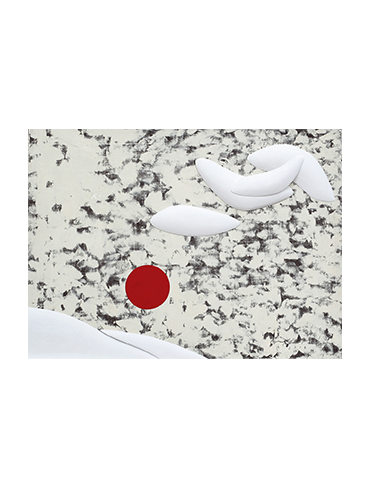
Dream

2012

Mixed media on panel

40x54x10cm

RYU Hoon
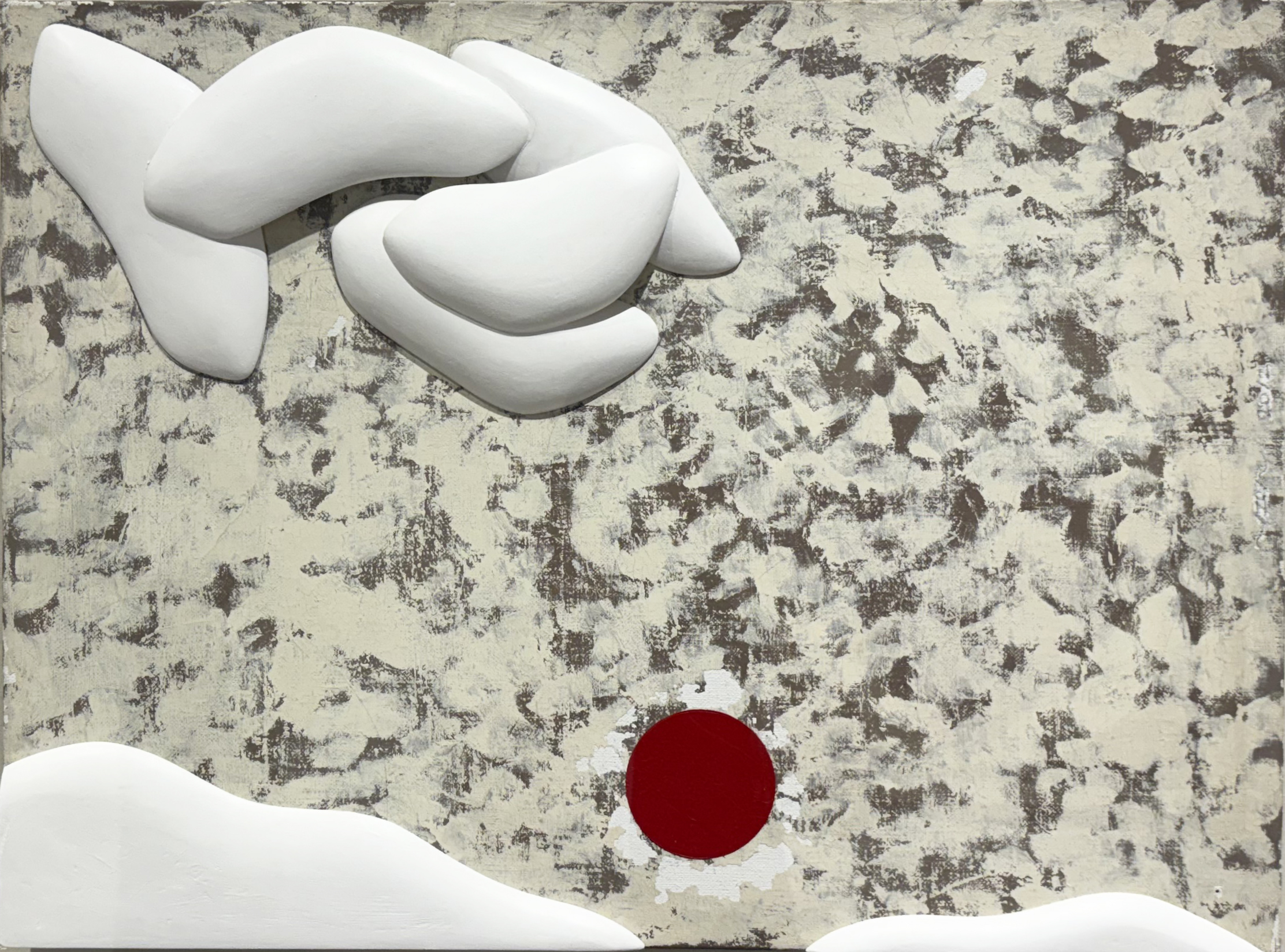
Coexistence-Dream

2012

Mixed media on panel

33x45x5cm

RYU Hoon
Coexistence-Dream

2012

Mixed media on panel

40x54x10cm

News
가로모드를 지원하지 않습니다.