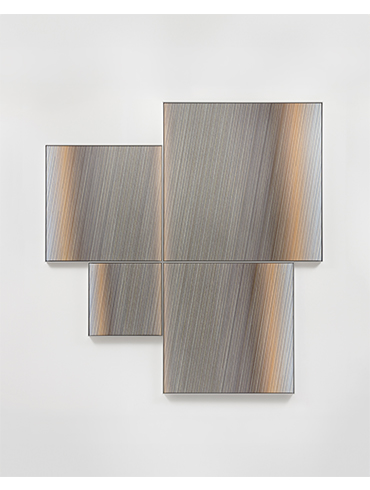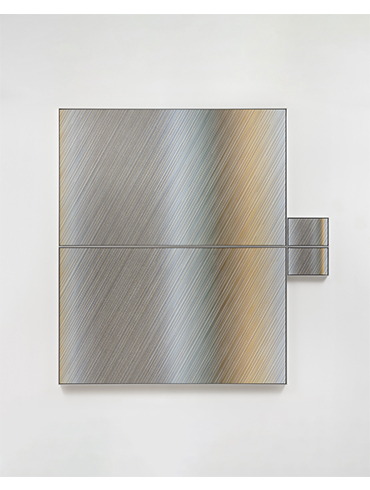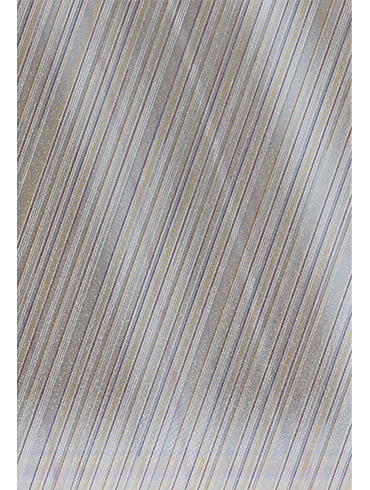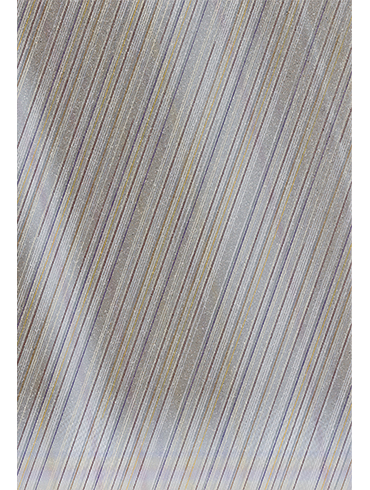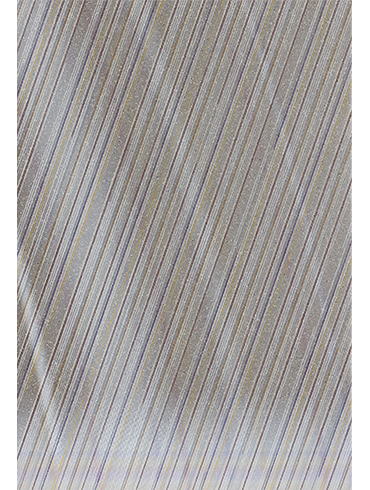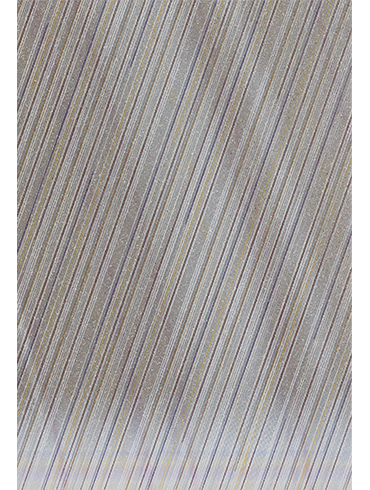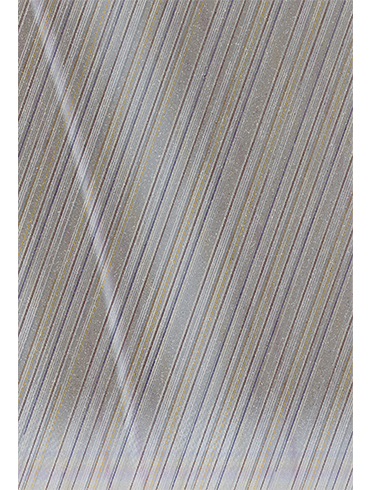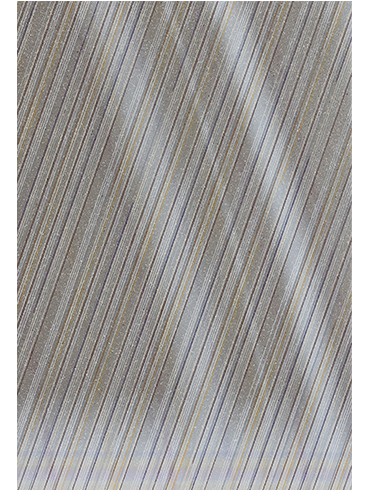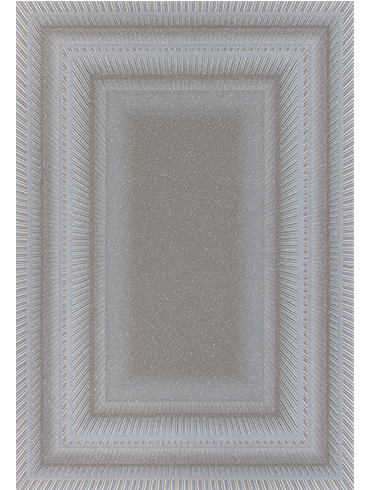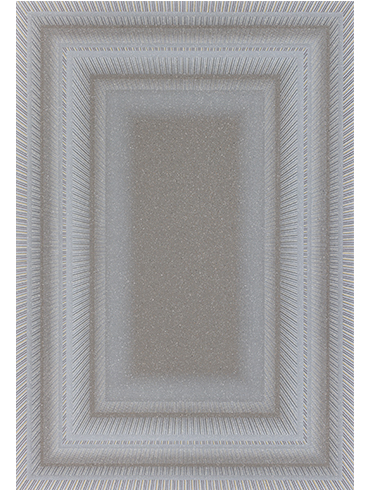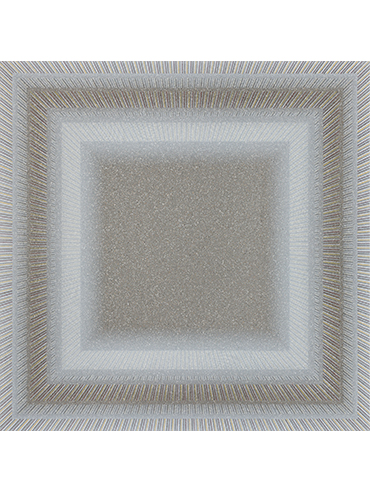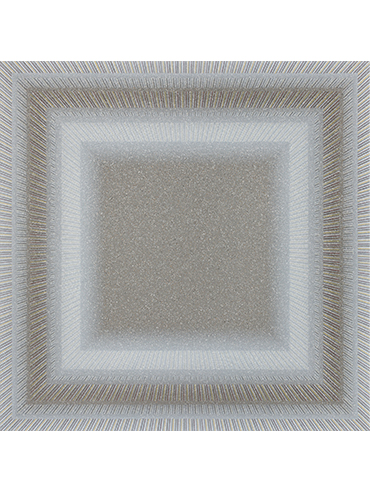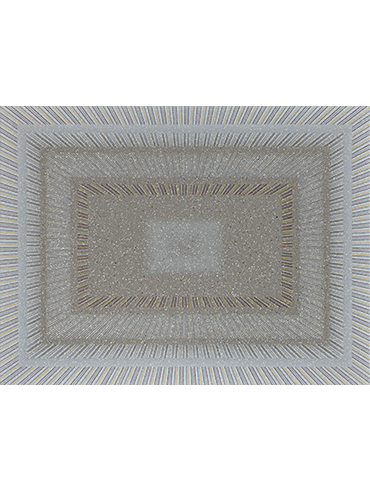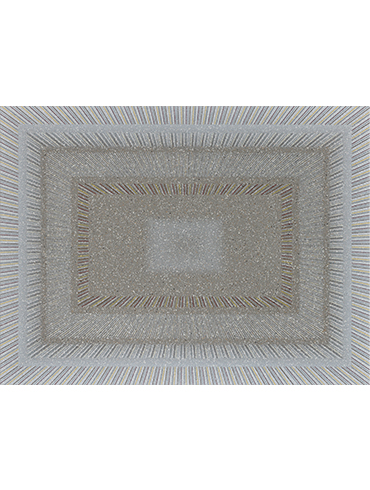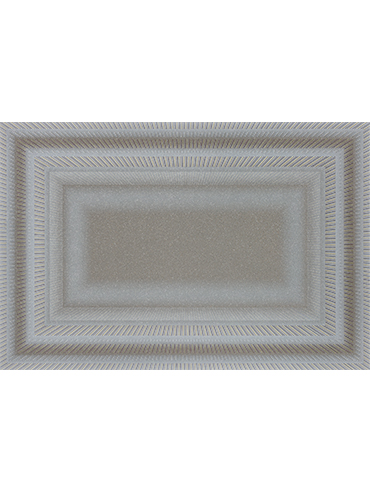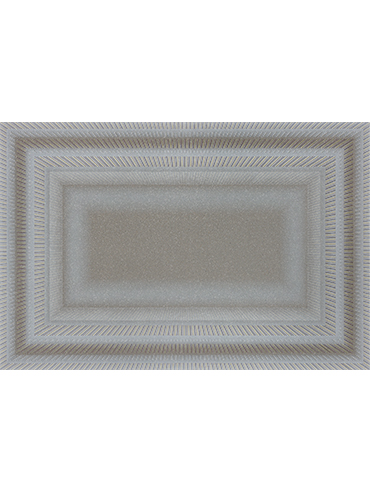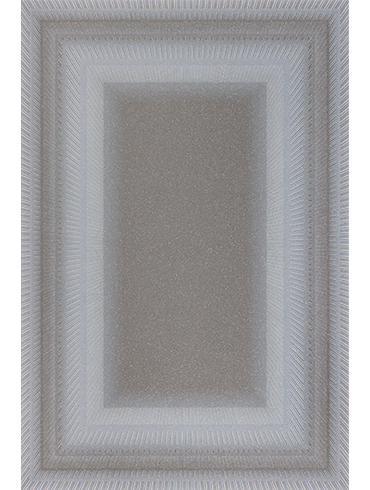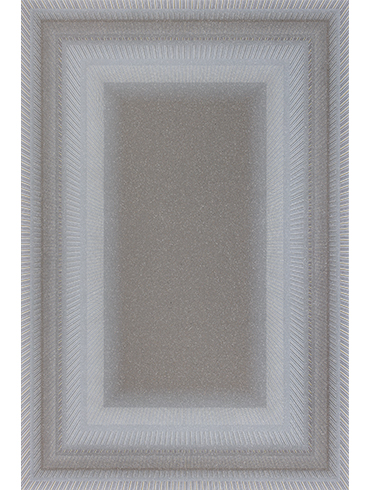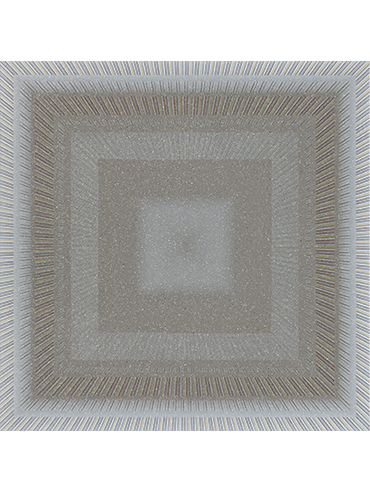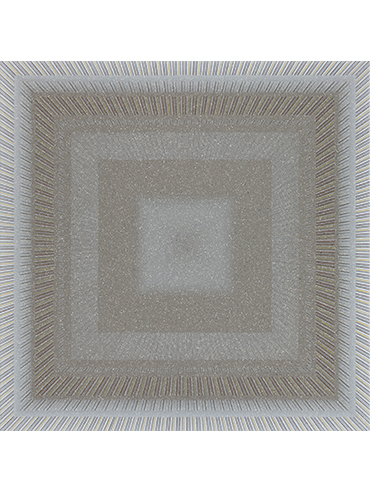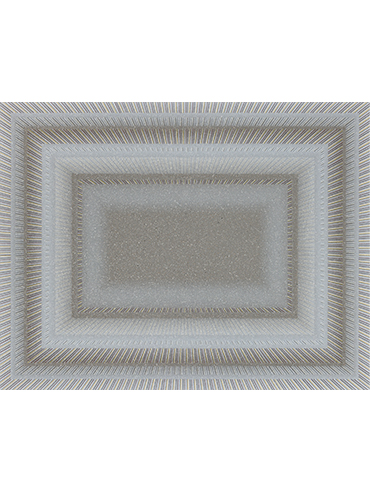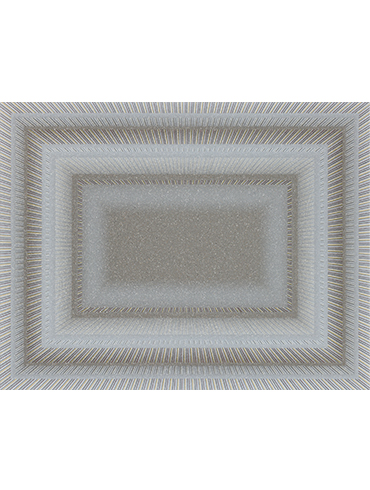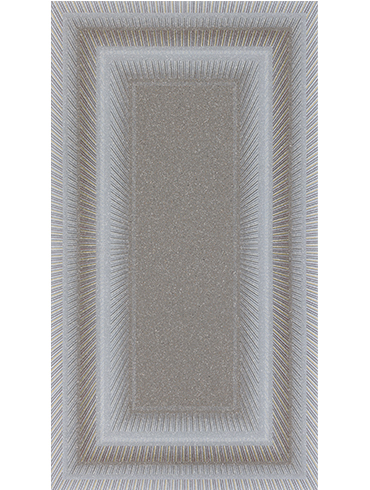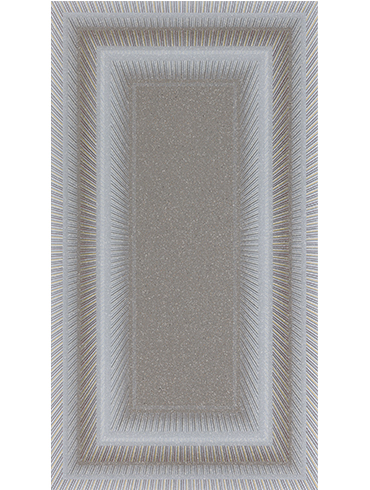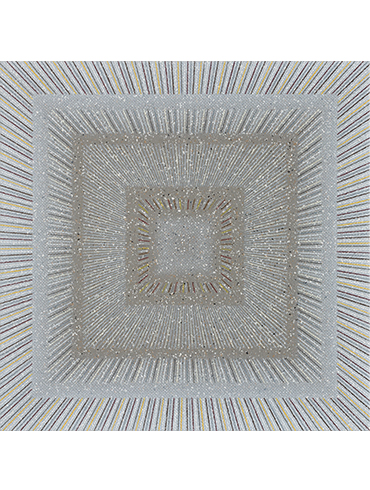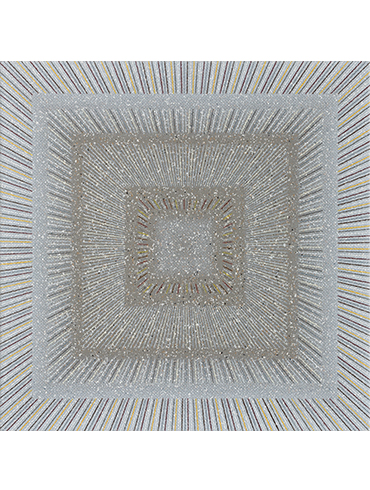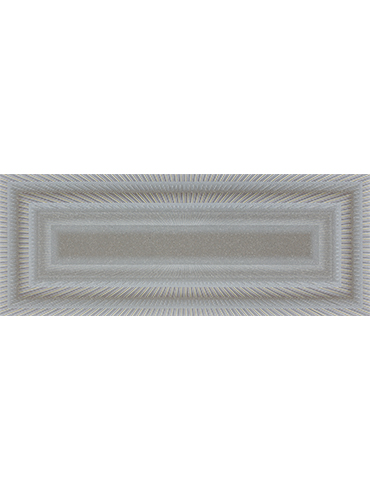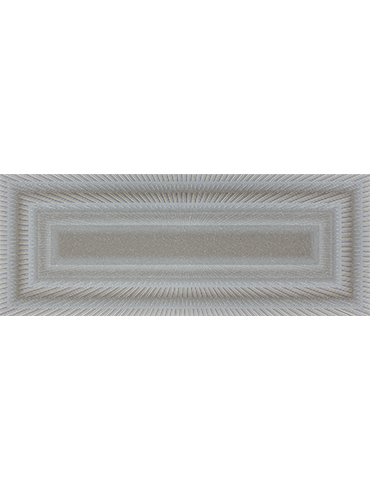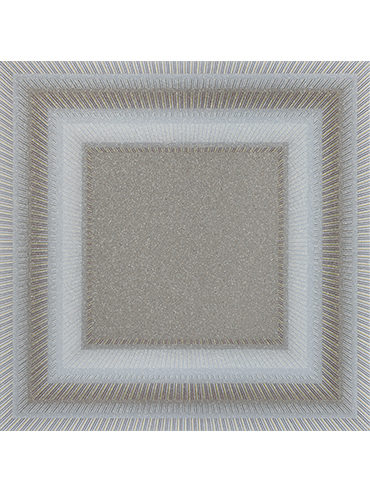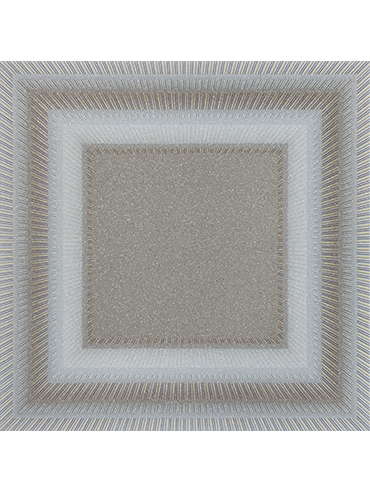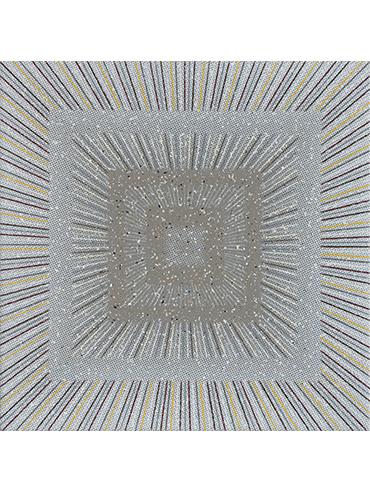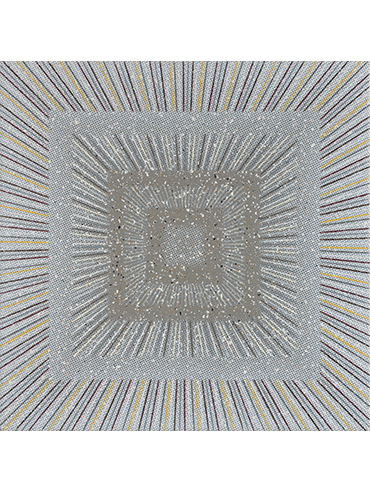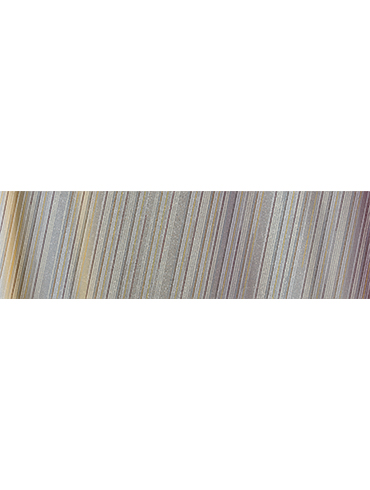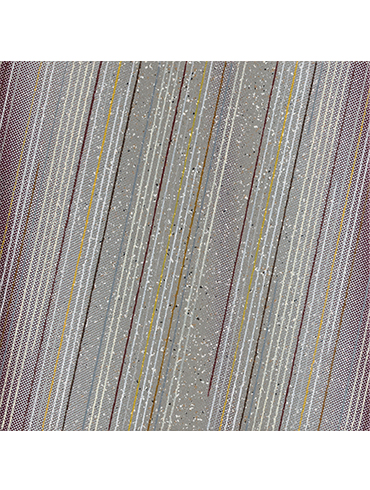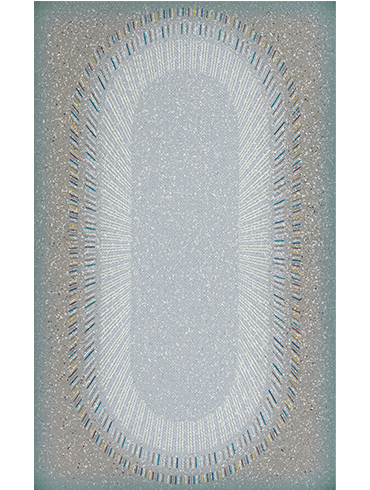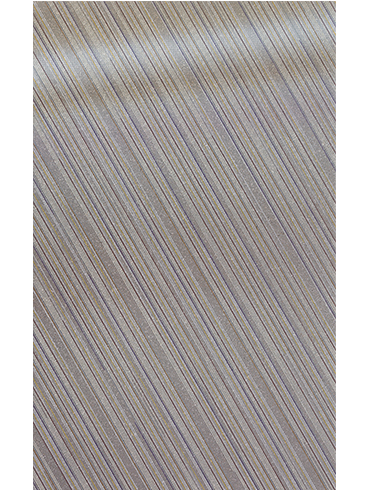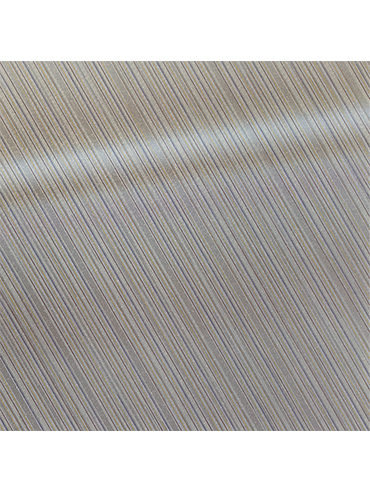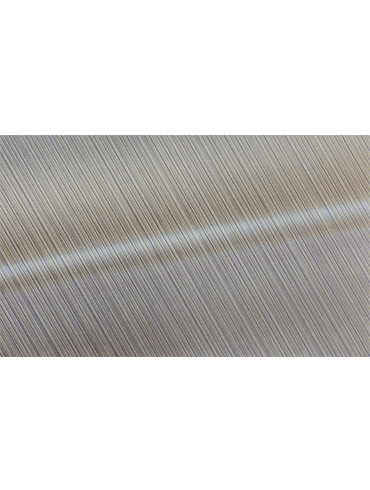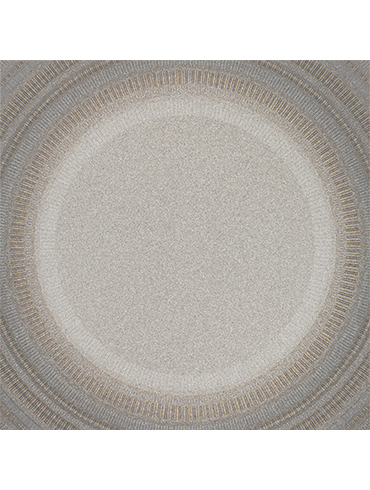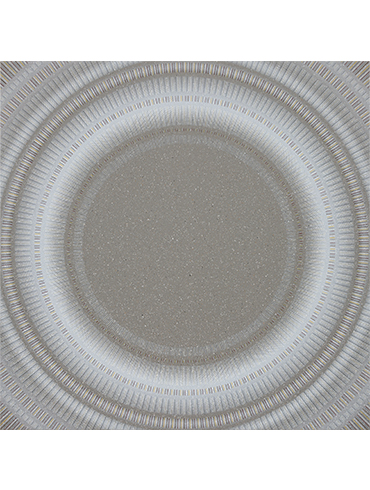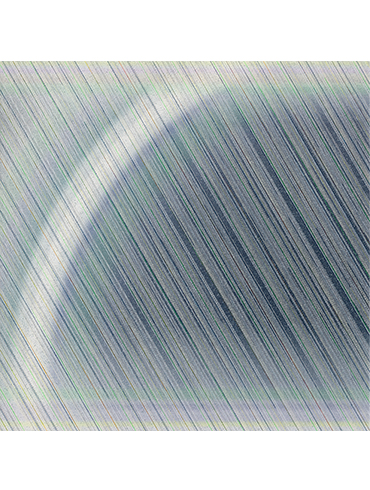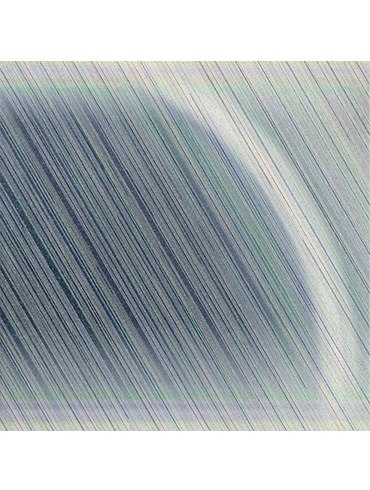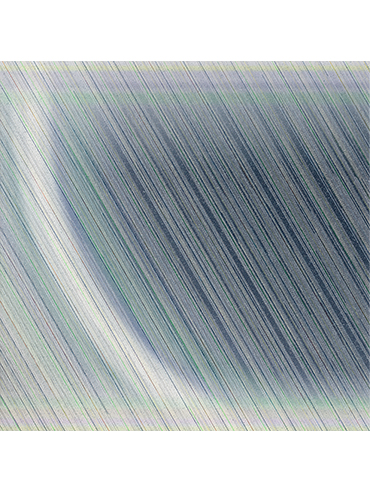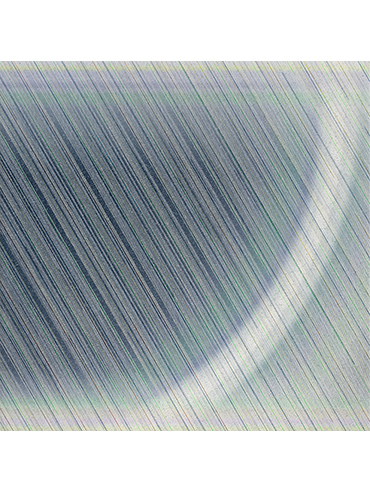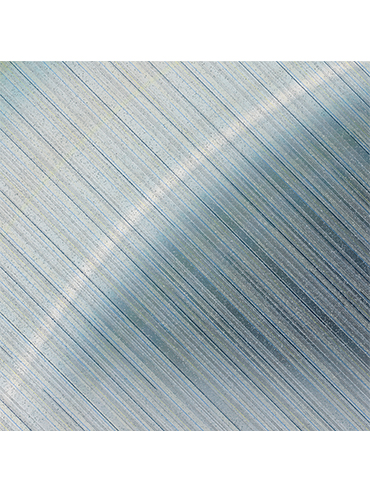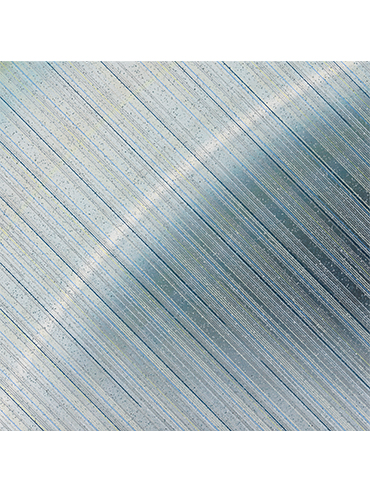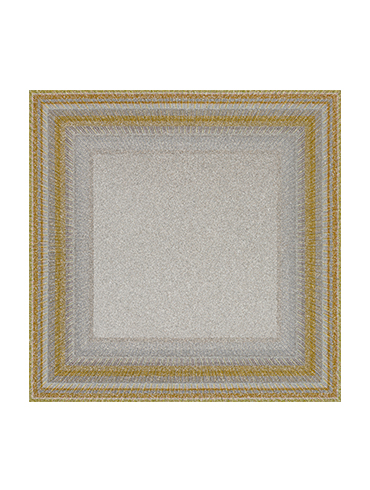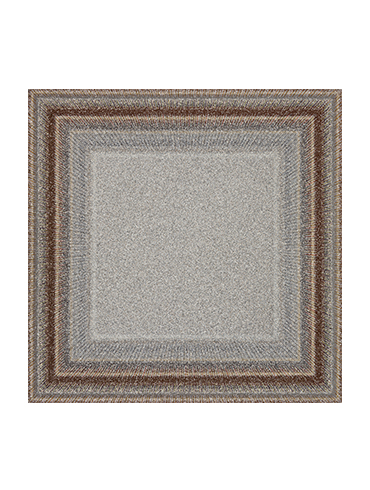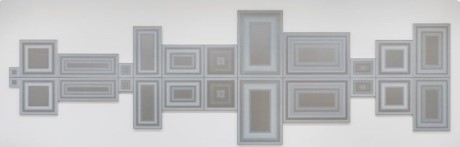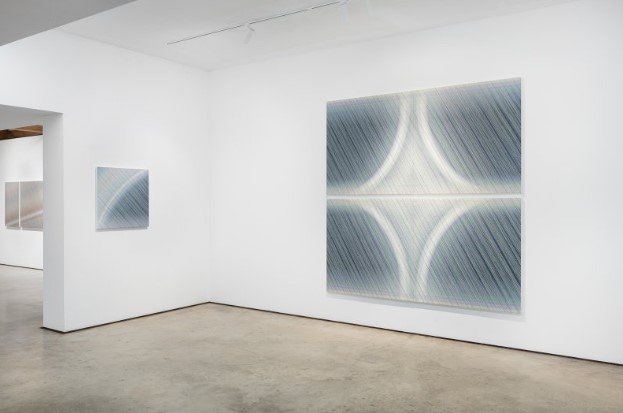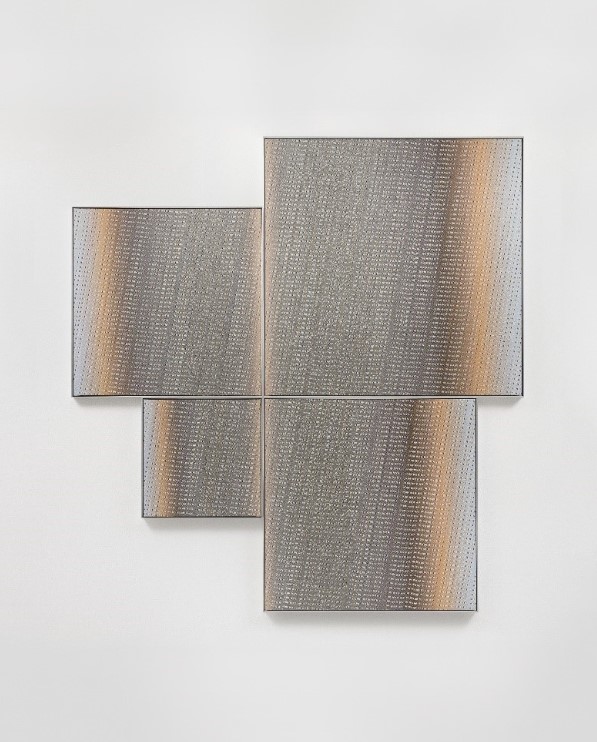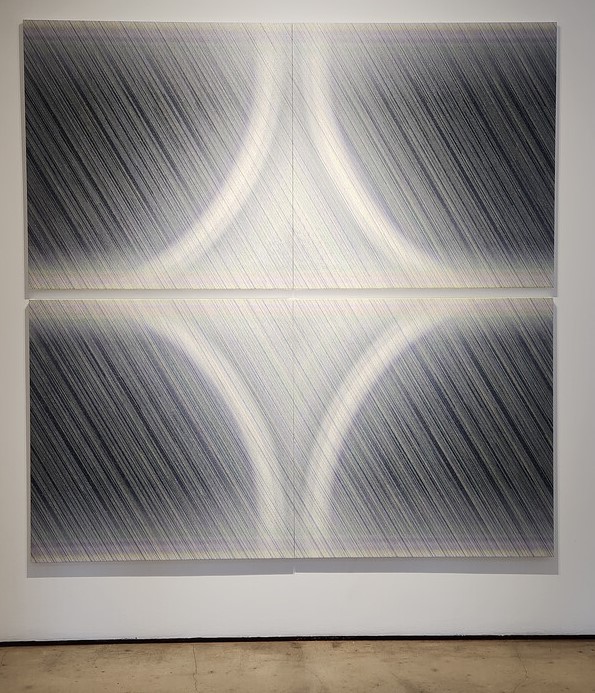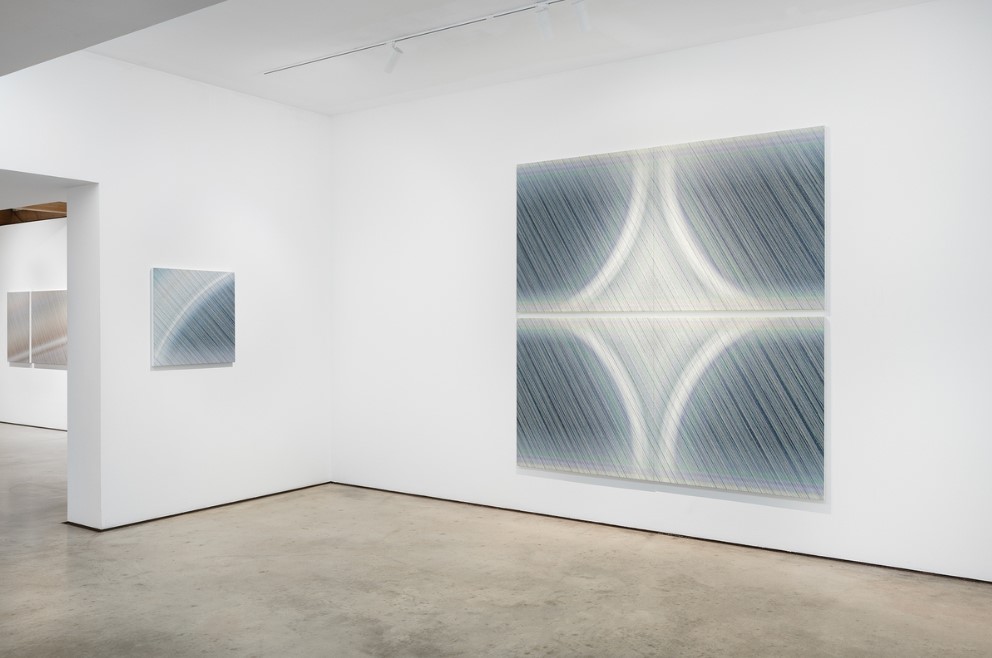

Layers accumulate on the canvas, and from those layers,
fine undulations ripple outward into the surrounding space. What appears still
is ceaselessly in motion. What appears solid swells, imperceptibly, into a
state of weightless immateriality.
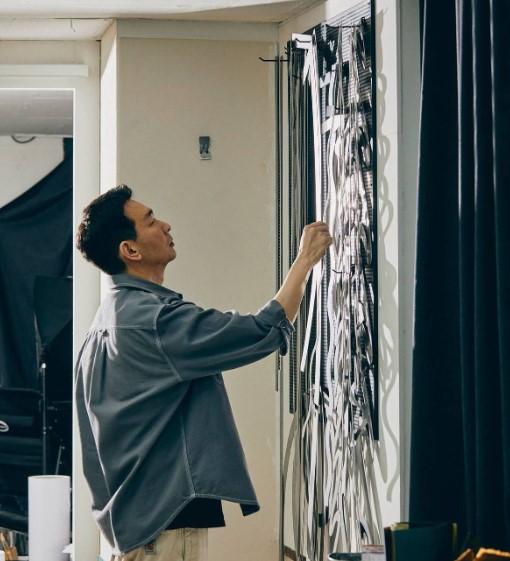
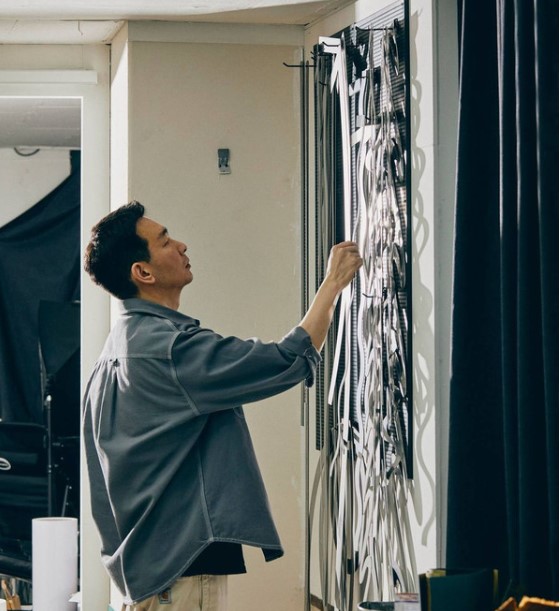
Thus, Keun Wook JI's painting begins in the deliberate,
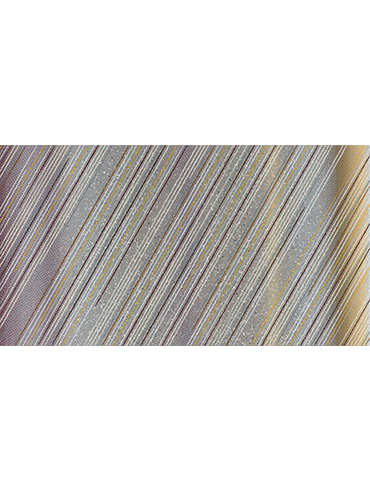
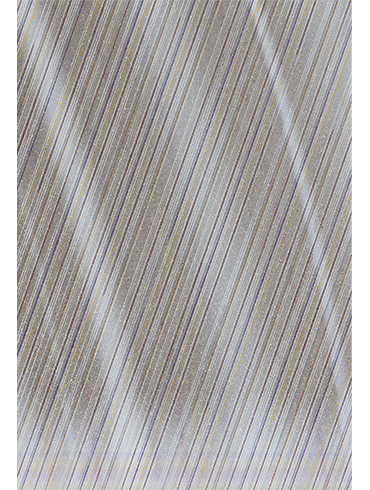
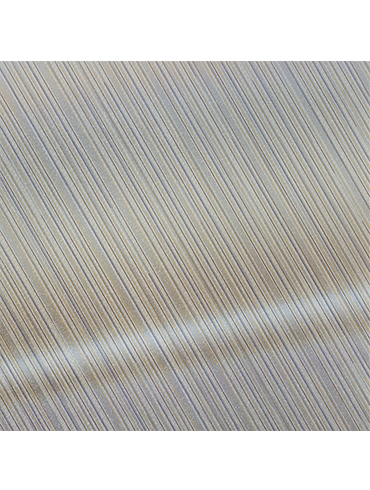
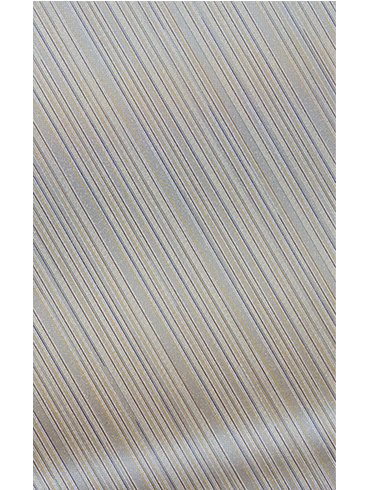
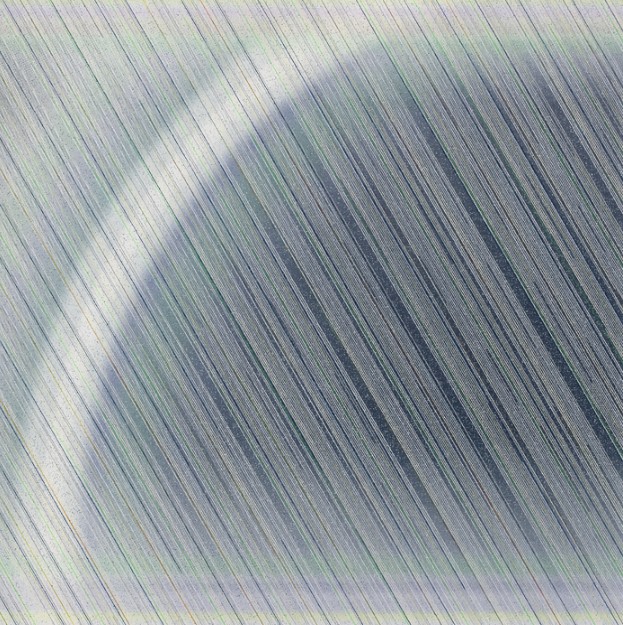
unbroken act of drawing lines. Each line is laid in its own color, yet they do
not coalesce into any particular form. Instead, they fill the surface at
consistent intervals, following a steady direction, closing the gaps with
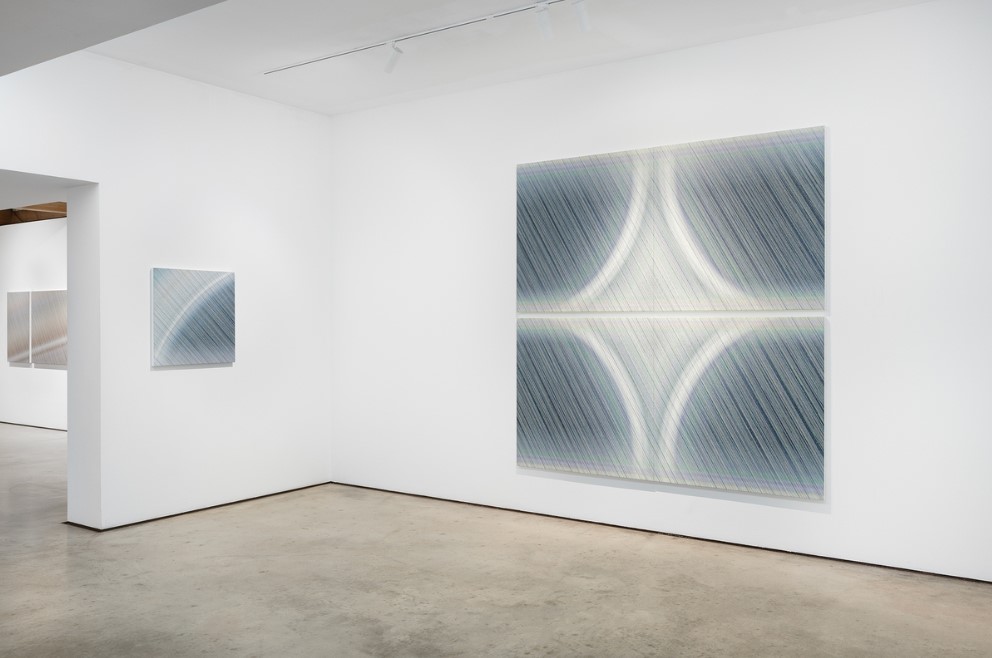
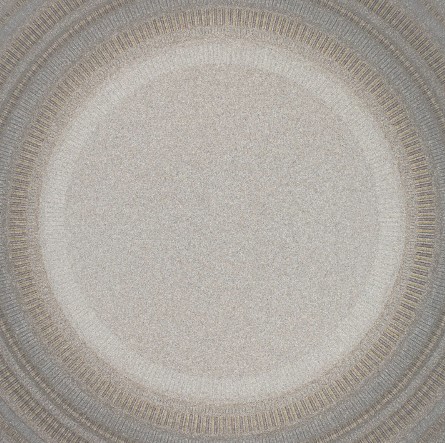
exacting persistence. When this process has generated its own density and
granularity, the surface rises with fine ridges and visual tremor. Upon meeting
those ridges, the gaze is no longer fixed; it drifts among the intervals, and
the image shifts from the object of experience into a quest of interrogating
traces. With the placement of the final line, causal links become listless and
the flat surface of the canvas spawns its own motility. Minute deviations and
undulations dismantle the mandate of linearity, suspending the canvas in
perpetual liminality, never quite reaching a fixed state. Motions past and not
yet arrived overlap and interlace on a single frame, allowing the divergent
currents of time to brush past one another.
This temporal flux anchors itself in the core material
of this exhibition: metal. Yet, metal here is no mere cold, inert
substrate. It is an emblem of non-linearity, forged by aeons of pressure and
metamorphosis, holding both the ancient past and future time. The stratified material
traces on the canvas respond to light, drawing deep echoes from the picture
plane. The immediate reflections cast by the metallic surface form a
counterpoint to the intimately sedimented strata of time beneath them, and this
tension between the instantaneous and the ancient transforms the flat plane
into a space of structural depth. Comparable to the Hubble Deep Field,
which anneals the light of a primordial past into the present, the weight of
the substrates once confined within the frame begins to yield and effuse.
Weight loses its anchor, and the rigid surface gives way to an open, boundless
field of thought.
When this condensed
matter is pushed to a transcendent state through rhythmic repetition, the wing
finally takes shape. This wing is no decorative symbol of defiance against
gravity; rather, it is the shape of matter exceeding its own conditions. The
texture of metal grows lighter, and a threshold opens to a sense beyond the
visible surface. Within this space, times of unknown origin converge and
coexist. It is the beating of wings in flight toward the essence of spirit.
"Whenever we are before the image, we are before
time." As French philosopher and art historian Georges Didi-Huberman observed, what we
encounter before JI's paintings is not a fixed plane, but the trace of time.
Within art historical discourse, German art historian and cultural theorist Aby
Warburg captured this restless collision of eras when he declared, “Athens has
constantly to be won back again from Alexandria.” Through this concept of Nachleben der Antike (the afterlife of
antiquity),
Warburg defined how past forms do not perish in history, but constantly
reincarnate and resurface in the visual culture of later eras. Expanding on
this, Didi-Huberman views the image not as a frozen artifact, but as a restless
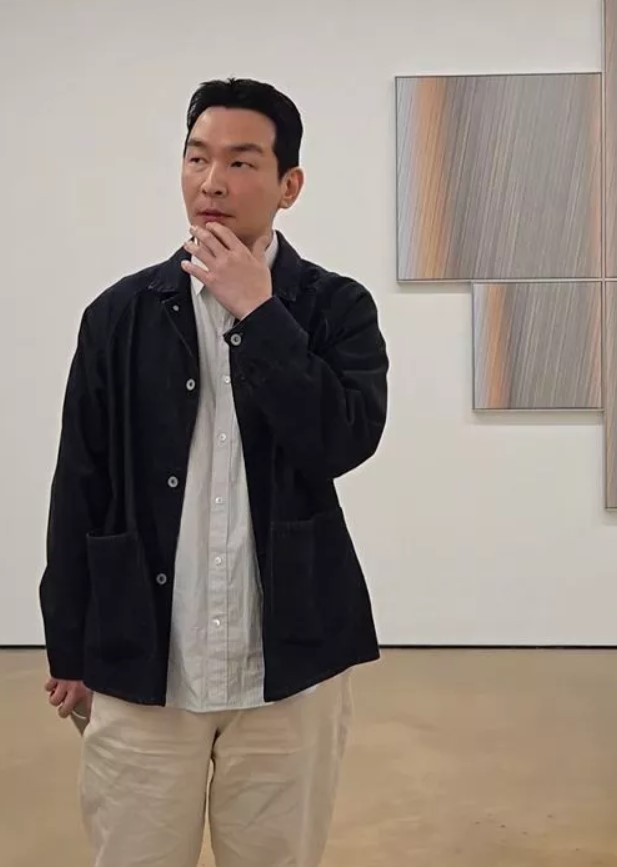
site where discordant timelines overlap: an anachronism of sorts. Keun Wook JI
acts as a visual alchemist, transmuting this theoretical discourse into the
material, tangible sense of painting.
In Keun Wook JI’s exhibition Metallic Wings, physical practice, substrate matter, and formless time intersect on a single surface. His paintings are not a mechanical raster, sweeping to fill a surface. They are a crucible testing other possibilities. In the space between, his traces depart from their own boundaries. Forged in metal yet bound for the sky, they take flight toward a direction not yet defined.
- Excerpt from 「Temporal Trajectory, Material Flight」 l Juyeon Lee (Hakgojae Gallery, Exhibition Manager)